
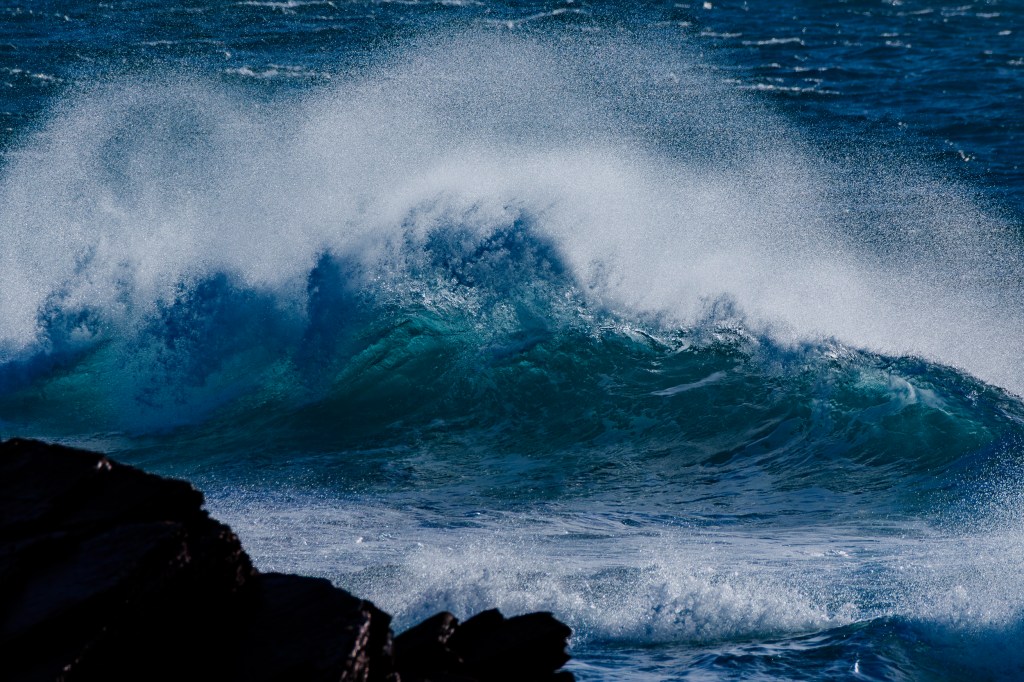
In Orkney, the last weeks of January, and the first days of February, were wild and wet. In mid January the wind set in from the East and never veered or paused, bringing Groundhog days of wet and gales that varied only in the intensity of the rain or the strength of the wind.
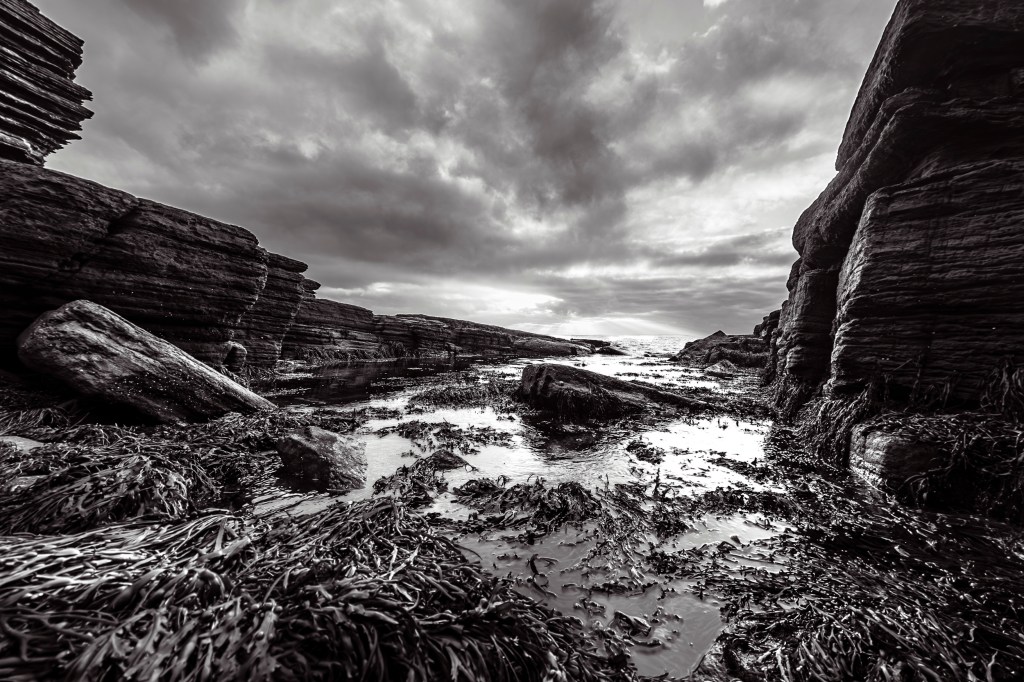
A booked trip to mainland for a supermarket shop came with the warning that once on the boat your car might not get off, so bad was the swell and the risk of docking back on Hoy. The passenger only boat that serves the far end of the island, and runs from Moaness to the island of Graemsay and then on to Stromness, fared much worse. With a low lying pier and an easterly swell the last count for cancellations was something like 49 in the space of a few weeks.
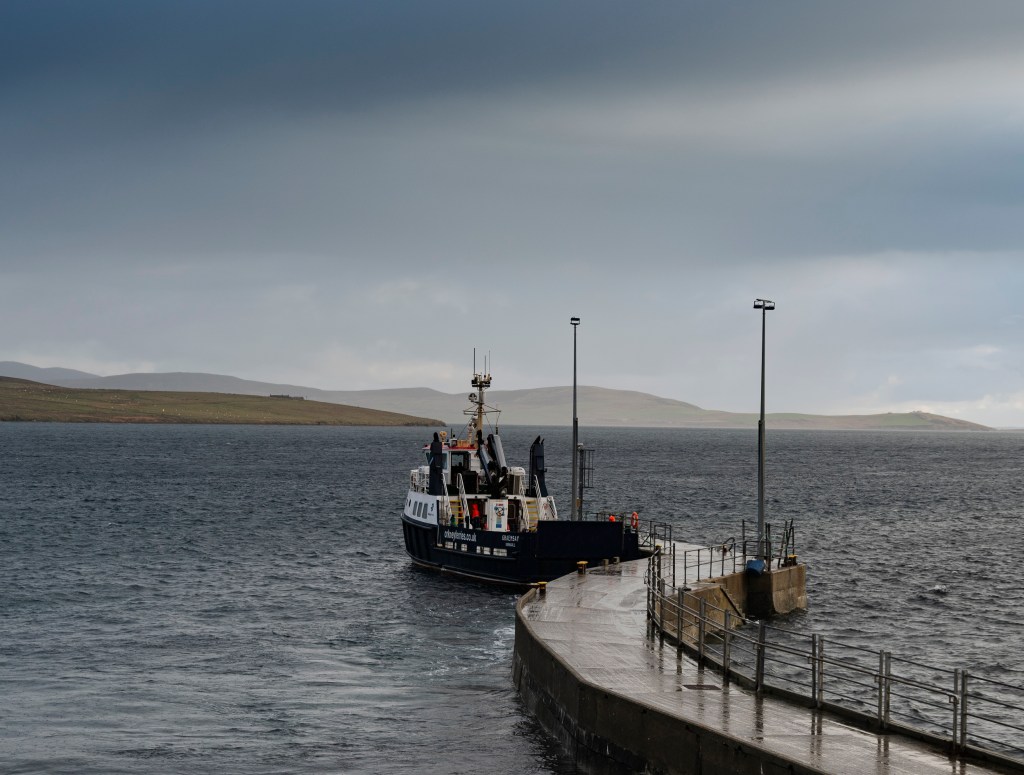
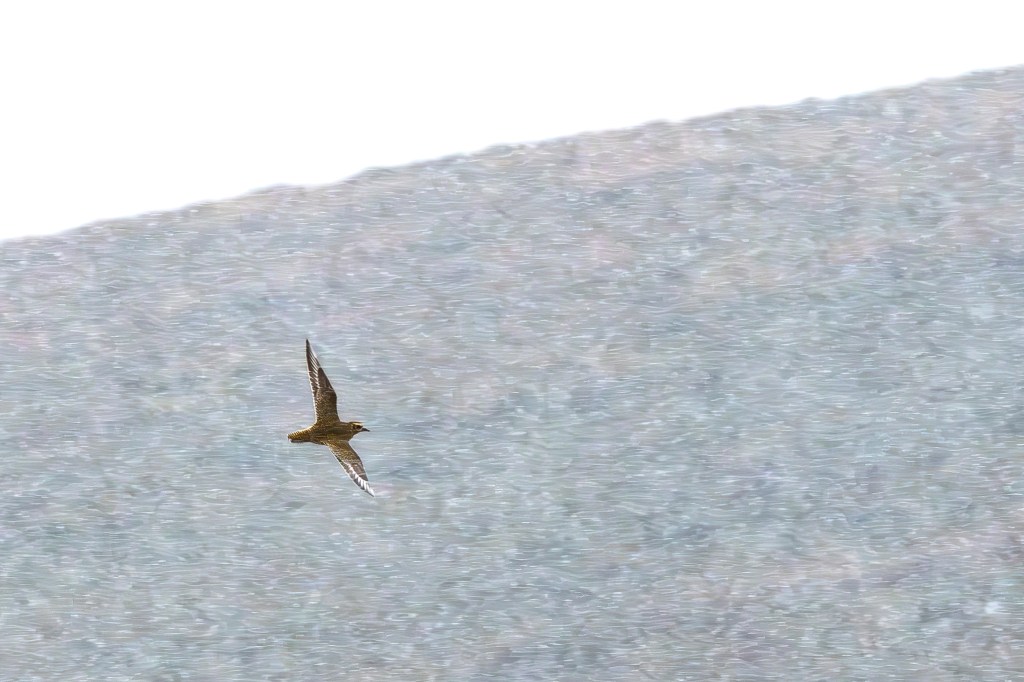
The weather broke, thankfully, on the 10th of this month. A couple of welcome settled days of blue-sky sunshine, followed since by our usual mixed bag, bright days and grey days, and just the once, while I was up on the moors, a day broken now and then by sheets of gale-driven hail, pellets of ice that stung like pinpricks. As I turned my back to a curtain of hail, a Golden plover came up through the valley, gold against white, a summer breeder here and a sure sign, that despite the hail and the bitter northerly, Spring is spinning towards us.
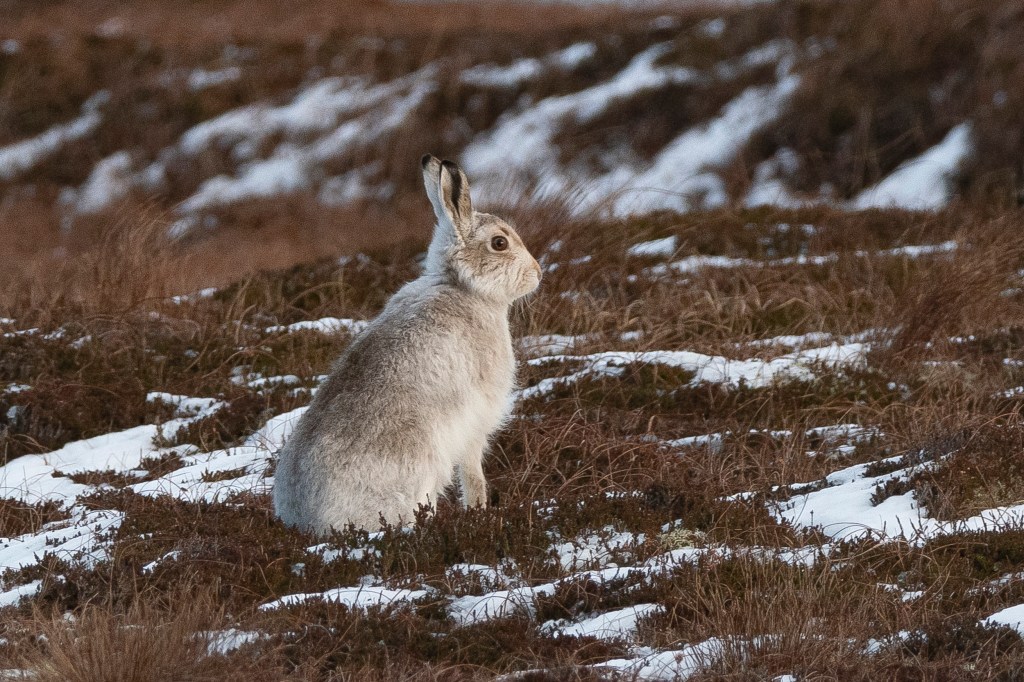
When I’m walking on the moors, the animal I can’t resist photographing is the Mountain hare. I saw a few that day, snow is rare here and for once, with hail on the ground, the hares, still dressed in their white winter coats, looked a perfect fit for their environment.
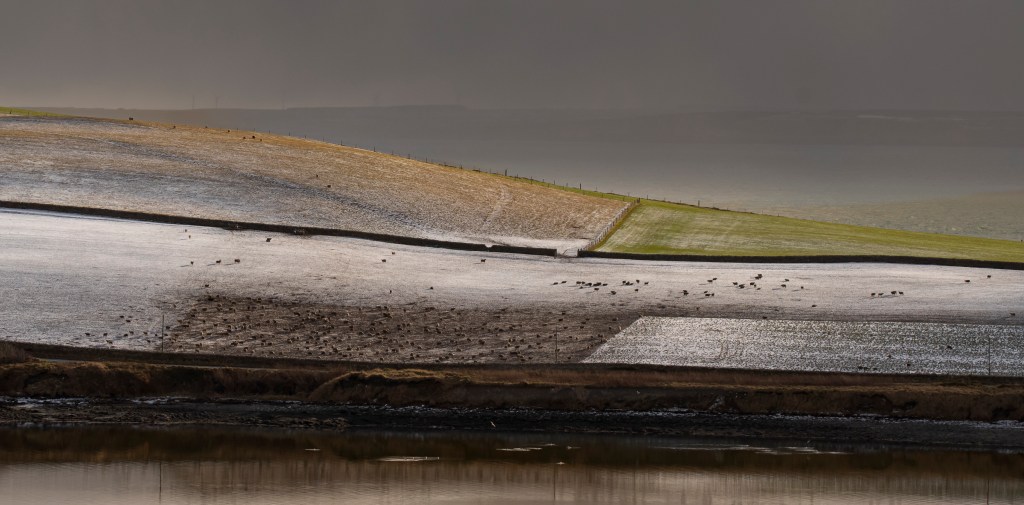
On the the way down from the moor I photographed a distant South Walls landscape, a patchwork of stone dykes and small fields, lit by a burst of late afternoon sun. Sheep were being folded on neeps, sown in late Spring for the purpose of bringing ewes through a long and cold winter. The ewes are moved every few days onto a piece of new ground, the precious muck that they leave behind enriches and fertilises the soil. Next year, as part of a traditional rotation, the field will be barley, or pasture.
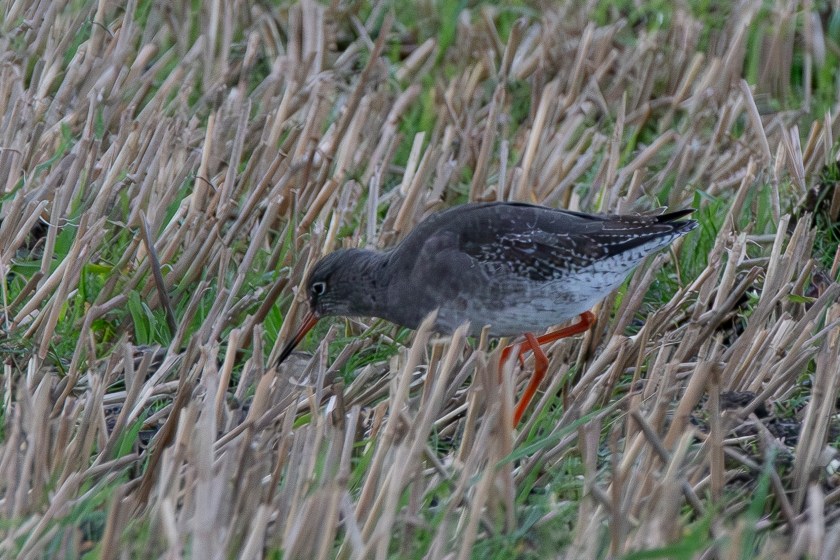
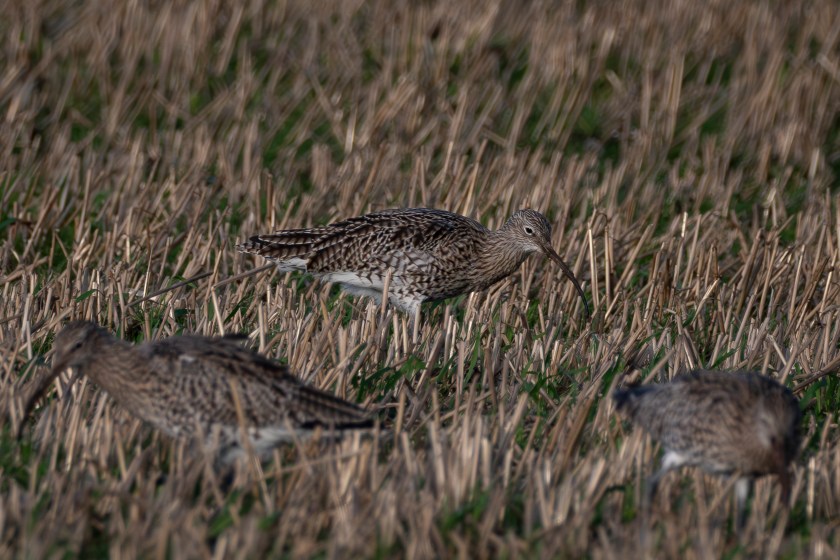
Not far from the neeps and sheep, there’s a field of oat stubble, with the islands wet ground it will stay unploughed until late spring, indeed stubble here sometimes doesn’t get ploughed at all, cereals are often under-sown with grass and simply green to a ley the following year. The field is a magnet for many species of bird, from finches through to greylags. It’s a favourite spot for long-beaked waders, Curlews and Oystercatchers and diminutive Redshanks, whose bright legs that give them their name, are barely long enough to raise them above the stubble.
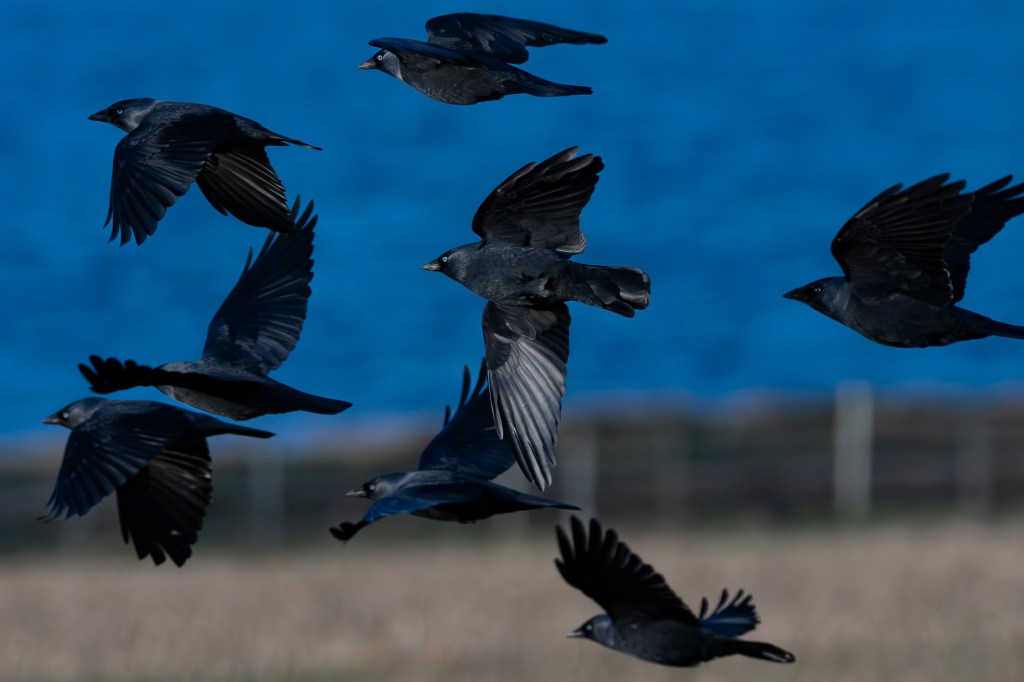
A flock, or clattering, of Jackdaws are there most days, feeding amongst hollow stems scissored off by the harvester. Heads down with beaks in the soil the birds form a carpet, a loose and slow moving drift of feathery grey-black, seeking seeds and unlucky invertebrates. They say if you watch nature you’ll learn something new everyday, that days lesson, when I watched them lift off, was just how bright and jade green their eyes are.
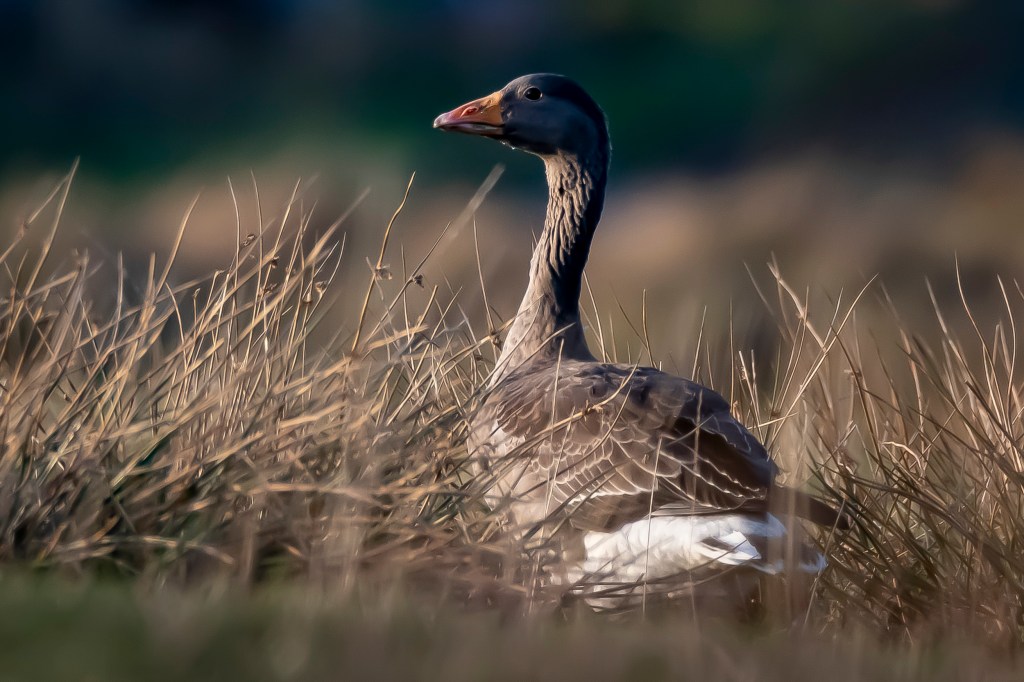
Another sign of an impending turn of season, is that greylags are once again being seen in pairs. At home, for the past two years, a pair have nested in a rough corner of sedge and briar, close to a pond in the meadow and barely a stones throw from the shore. Sure enough, last week, a pair were on the pond. A few weeks from now the female will lay her eggs and the male, ever wary, will stretch his neck and honk and complain as you go about your business in the garden.
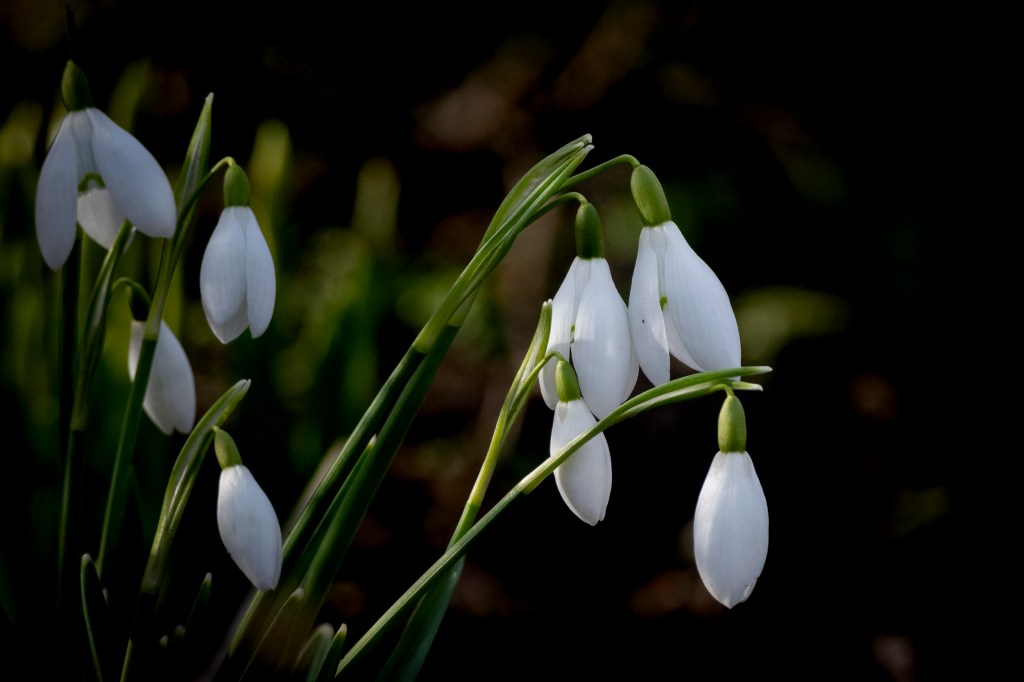
In the garden itself, the first snowdrops have opened, tete-a-tete daffodils are pushing through the damp earth. Willow buds are swelling, ready for a catkin explosion. It’s early days but the garden is slowly and surely awakening from its slumber.
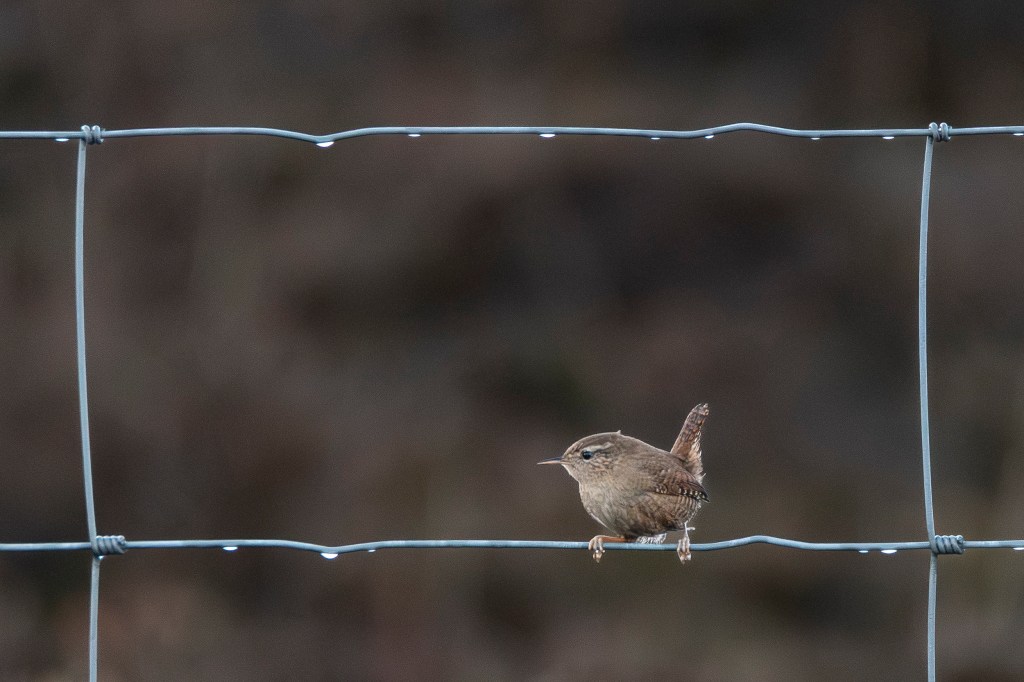
A robin is singing daily in an edge of garden larch, reclaiming his territory. House sparrows are checking out des-res nest boxes. Up on the moor, albeit on a cold and wet day, a wren paused now and then, from a spider hunt in the heather, to rattle out his shrill staccato song of Spring from a stock-fence perch.
 A garden in Orkney
Looking lovely! Funnily enough, this makes me miss Orkney and its weather. I’ve been there nearly ten years ago, but have missed it terribly ever since.
LikeLiked by 1 person
Thank you Saila, I think you have to embrace the weather, good days and bad. Today we started with rain, this afternoon brought sunshine. I spent the day watching, and photographing, Red grouse on the moor, their chestnut plumage looked amazing lit by a low winter sun.
Orkney does that to you, it gets under your skin, I hope you get a chance to visit again.
x
LikeLike
Hi Gary, Some wild weather here but mostly endless, endless rain. My garden, which doesn’t get flooded, got flooded! Nothing too awful really but very muddy. Felt Spring like today but yet more rain promised and I’m wondering if we’ll get the tail end of that massive blizzard that is covering the East(?) of USA.
In my garden daffs, violets, primroses and celandines are flowering. My Hazel has had catkins for yoinks and they’re dropping their cats? kins? The garden blackbird is getting very aggressive and the great tits look spectacular, Spring must be a-coming.
Just love that photo of South Walls. It’s like landscape by Hopper, bare, minimalistic, evocative, gorgeous.
Hope Spring continues to sprung and you have a good week.
Margot xx
LikeLiked by 2 people
Hi Margot
It’s the same here, I don’t think the ground has ever been wetter, I’ve been up on the moor today shooting Red grouse, with a camera! Every footstep was a squelch. I may have mentioned it before but the best thing we did here was borrow a digger and dig a horseshoe shaped ditch around the garden to catch run off from the hill, it has been running for weeks like a stream in spate.
Celandines are up but not in flower, a while yet before we see primroses. J is busy moving/splitting perennials and also planting Snowdrops that have come from a garden we’re helping the owner clear. So overgrown you could barely see the house, we are taking wind blown trees for logs and pruning and making good all the standing trees, the snowdrops there are growing as thick as grass, they look wonderful.
That photograph is one of my favourites, long-lens landscapes don’t normally work due to haze made worse by the telephoto effect but the air that day, after the hail had gone, was crystal clear. Definitely a keeper.
I hope the tail end of that blizzard passes us all by. Very mild here this week, 10 degrees.
Hazels are on the to try list, I’m planning to add a few to our next order of trees, I think they may need a sheltered spot but can’t see why they won’t grow, has to be worth a go.
We have a pair of Great tits in the garden, last year a boy on his own, this year a female has arrived, they have seemingly chosen a House sparrow box and I’m sure I saw one collecting bedding, a very rare thing, for Orkney, if they stay and breed, we’re crossing everything that they do.
The door to Spring is definitely ajar!
Have a good week x
LikeLiked by 1 person
Totally agree about the photo of South Walls, Margot. Is the foreground the coastline or a pond/lake, Gary?
The birds in my garden are also in their finest mate-attracting colours, but we must be behind you as there’s no celandines in our local park yet.
LikeLiked by 1 person
Hi Penny, it’s North bay, home from there would be about a mile to the left as the crow flies, it’s the same body of water on the blog header photo. Very sheltered and shallow and sits in an area called Saltness, which suggests it may have been an area where salt was produced.
The same here with the birds, the boys are looking very dapper at the moment. Snowdrops are open, daffs are in bud.
After weeks of gloom and wet it feels like we’ve turned a corner, I won’t hold my breath though 🙂
LikeLiked by 1 person
What makes the sand along the sea’s edge there look so dark? Is it seaweed or peat run off from the shore?
LikeLiked by 1 person
Hi Penny, it’s a trick of the light, the shore as with most of the bay, is cobbles worn from the underlying rock. There is sand but it’s only visible at extreme low tides.
A friend who lives along the road says the shoreline has changed rapidly in the last forty years, he remembers a time when, in summer, they could graze their house cow on maritime grasses and herbs that grew on the shore, this land, a layer of dark clay around a foot deep, which he says extended out for many yards, exists only in patches now, most of it has been lost. By chance I was chatting to someone else who tells of a fence moved back some years ago that is now ready to be moved again before it falls into the bay.
It explains why there’s a deep rock pool fifty yards from the shore full of bottles and bits of crockery that date from the turn of the century and later. I could never work out how someone with a barrow or cart had gotten over a rough and rocky shore to dump household waste, a normal practice before refuse collections, either put it in a midden or if closer, dump it over the shore. The answer with hindsight, is that the barrow would be pushed over the same flat land my friend grazed his cow on, with the pool at what was then the shores edge.
LikeLiked by 1 person
Hi Gary and Penny! Still can’t “like” your posts…grr.
Gorgeous morning here, down South. Foolish I know but hoping sign of Spring coming, for certain.
LikeLiked by 2 people
Same for me Margot, sometimes the like button works, sometimes it doesn’t, reloading the page often works but not alway – technology 🤬
Sun this morning, just starting to spit with rain.
LikeLike
Spring is coming here today too, even with the -1C overnight. Heard the first mating call of a chickadee this morning. They look like your great tits, but the size of a blue tit and the call sounds like ‘Chhheese-burger’.
LikeLiked by 1 person