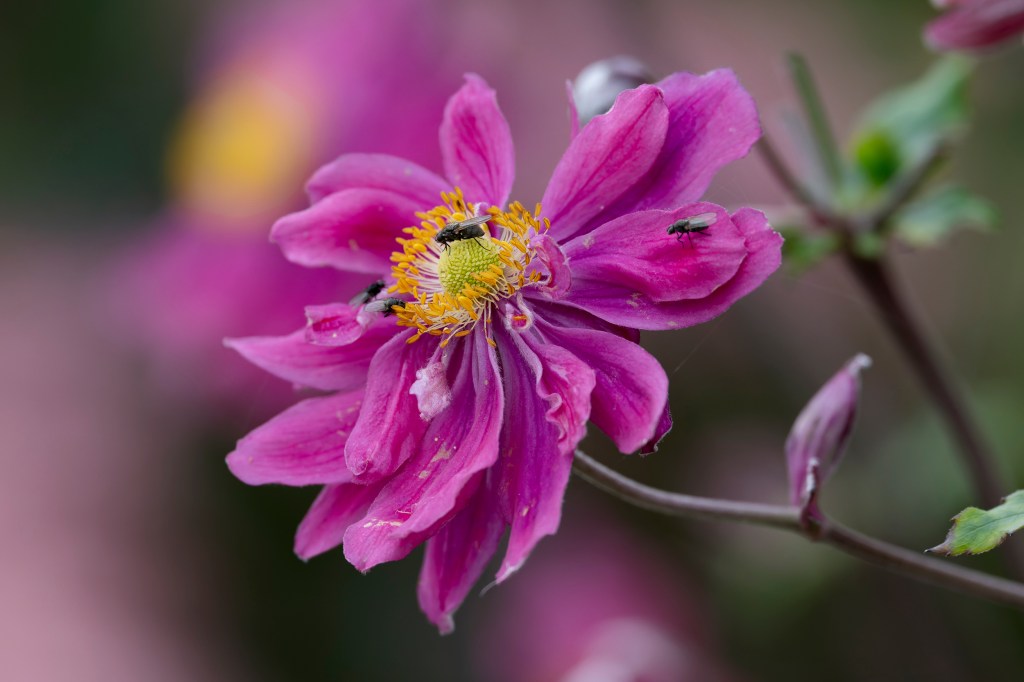
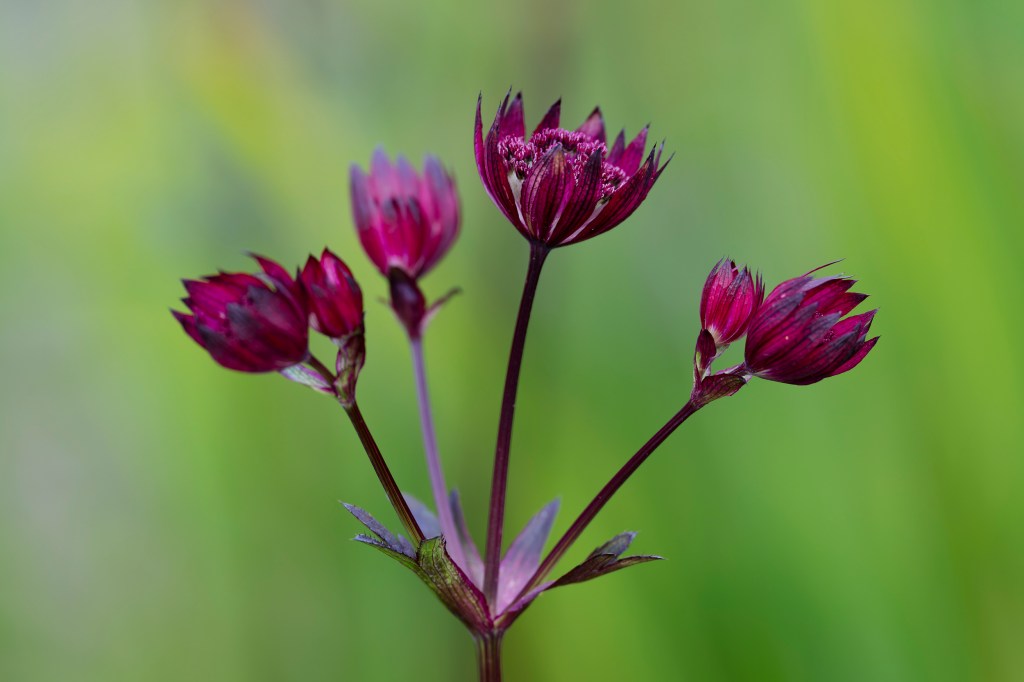
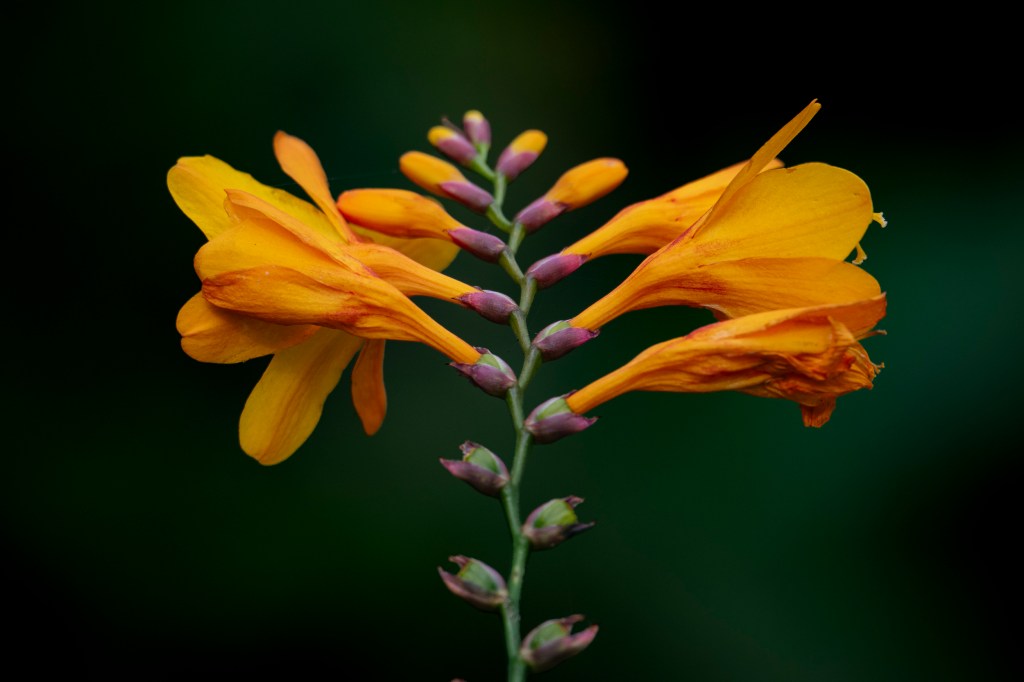
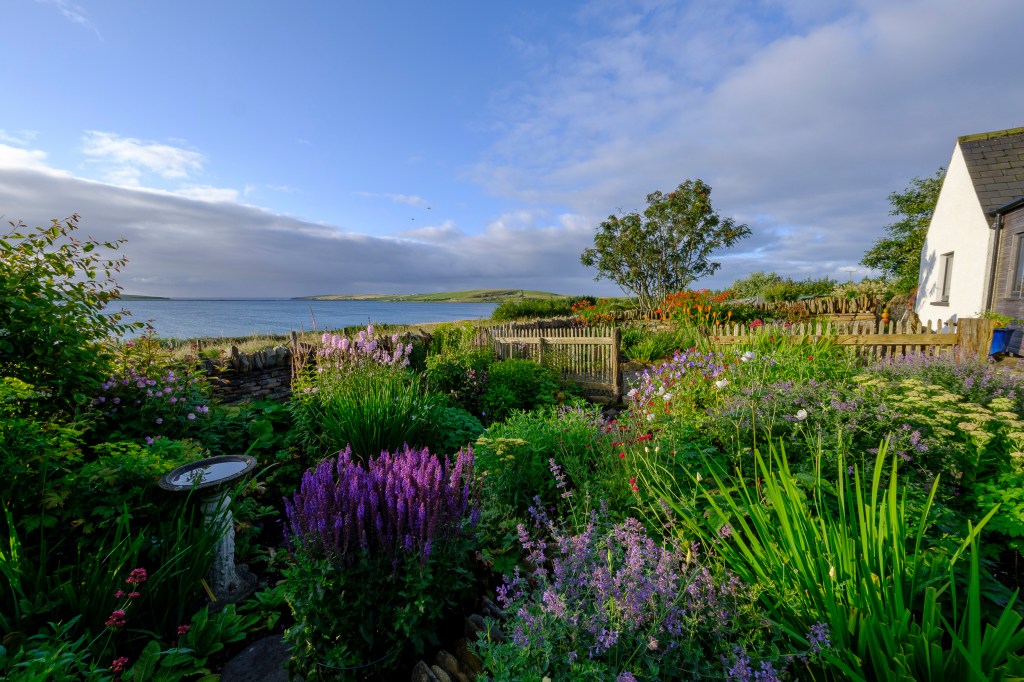
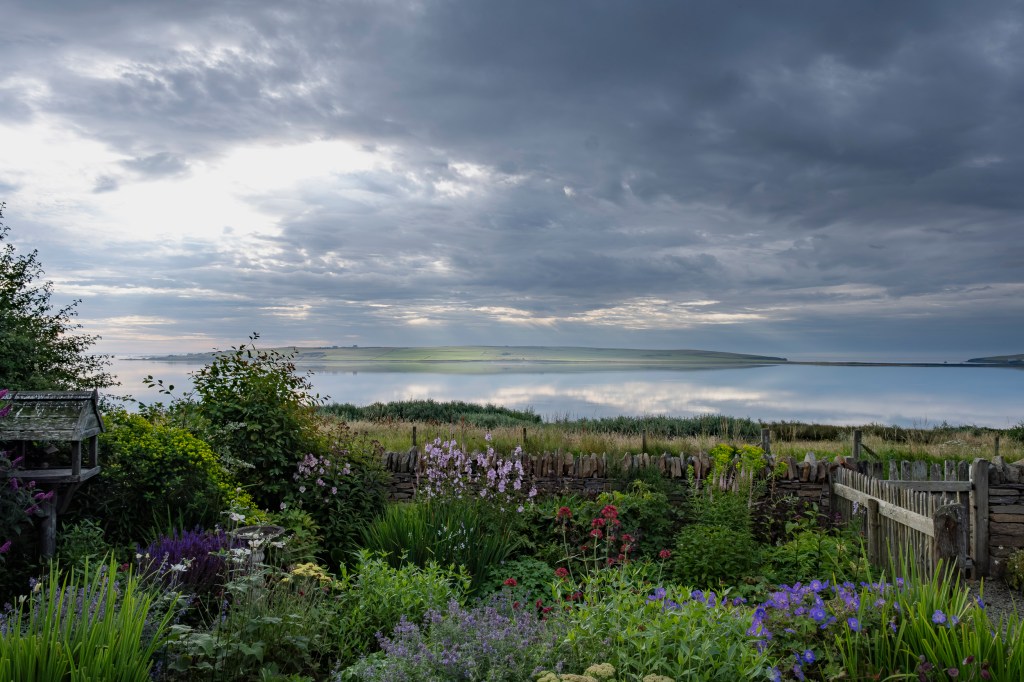
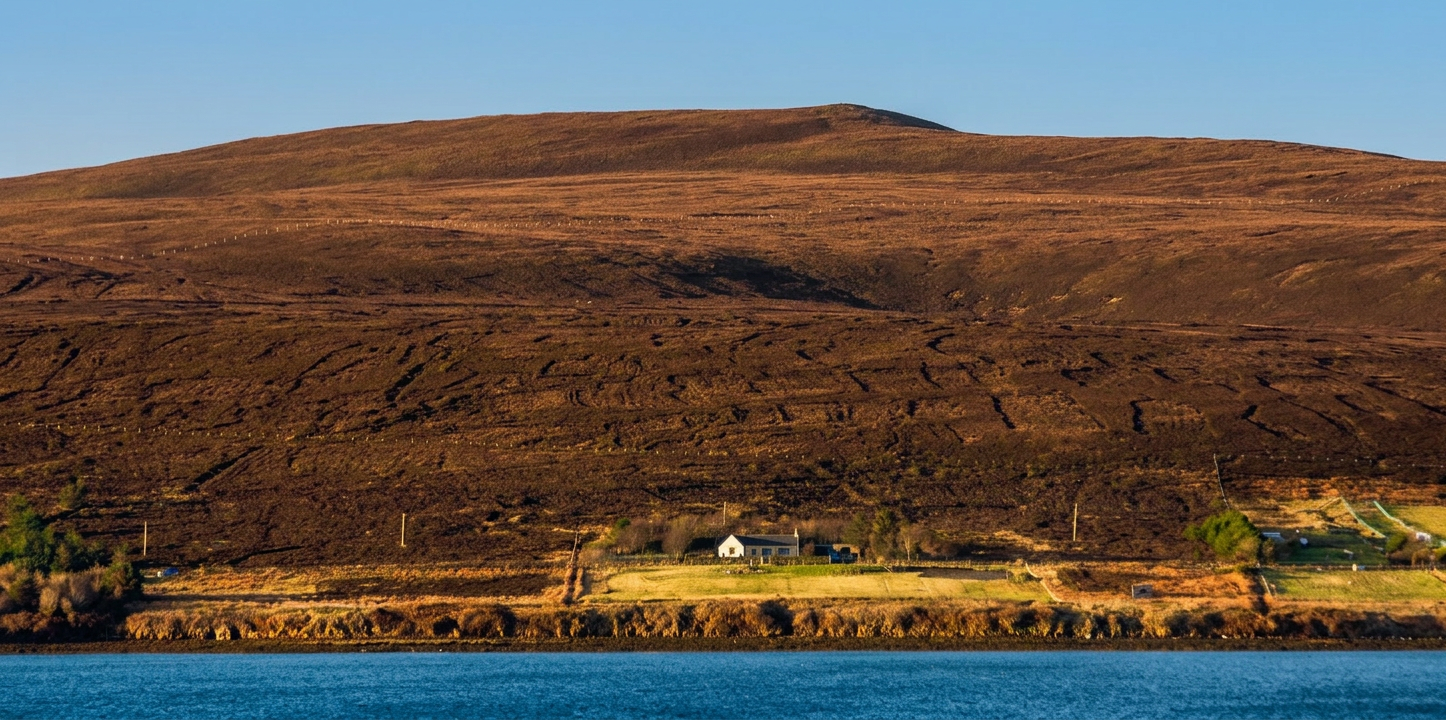
This weeks Six on Saturday is a wander around the garden and its environs – six different spaces. Our weather has been the usual mixed bag, some of the photographs were taken earlier in the month, on drier days than this, a few were taken this morning, with the rain coming down in stair rods. Our home is an ex croft that like pretty much every other house on the island comes with a small parcel of land, most of which is managed for wildlife. The garden is split 50/50, planted for humans and wildlife alike. At this time of year everything is winding down, trees are shedding leaves, flower heads are turning to seed but despite the rain and gales there’s still some colour to be seen.
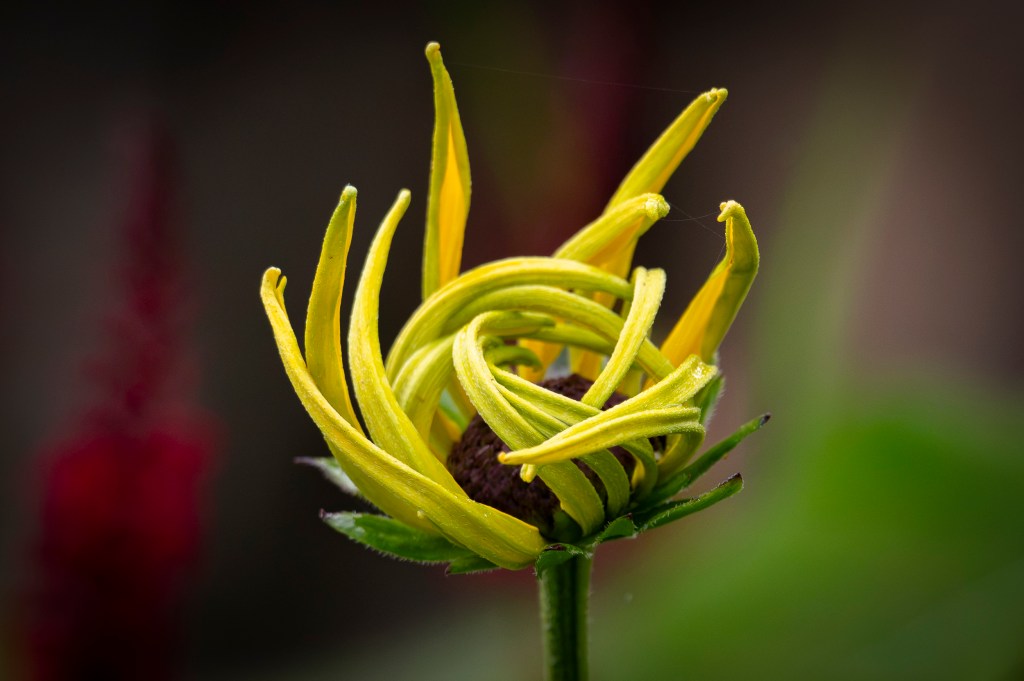
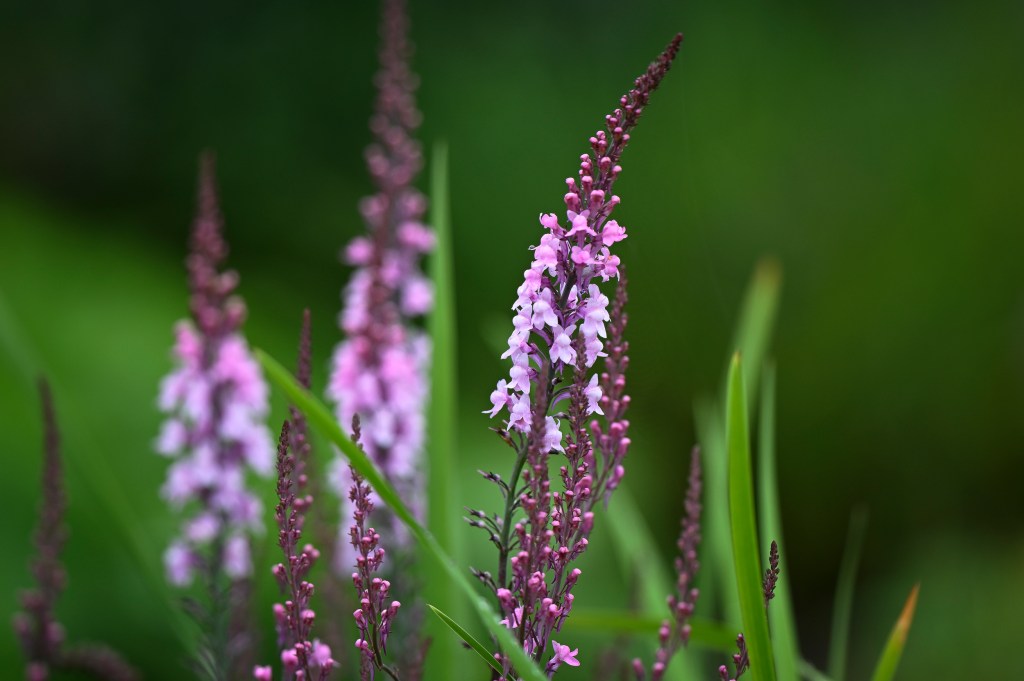
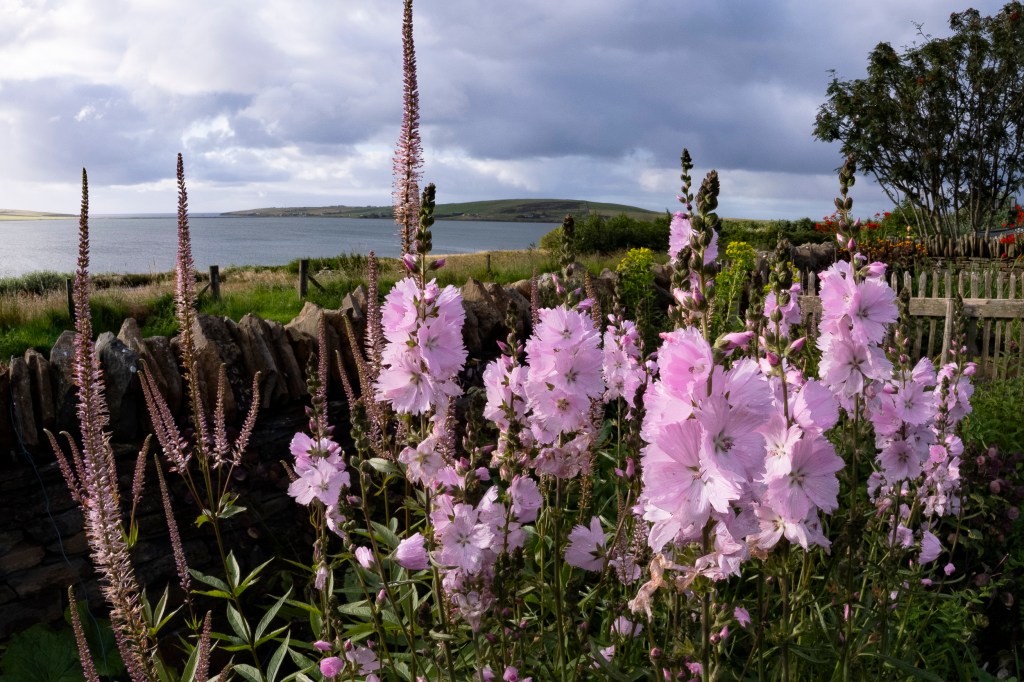
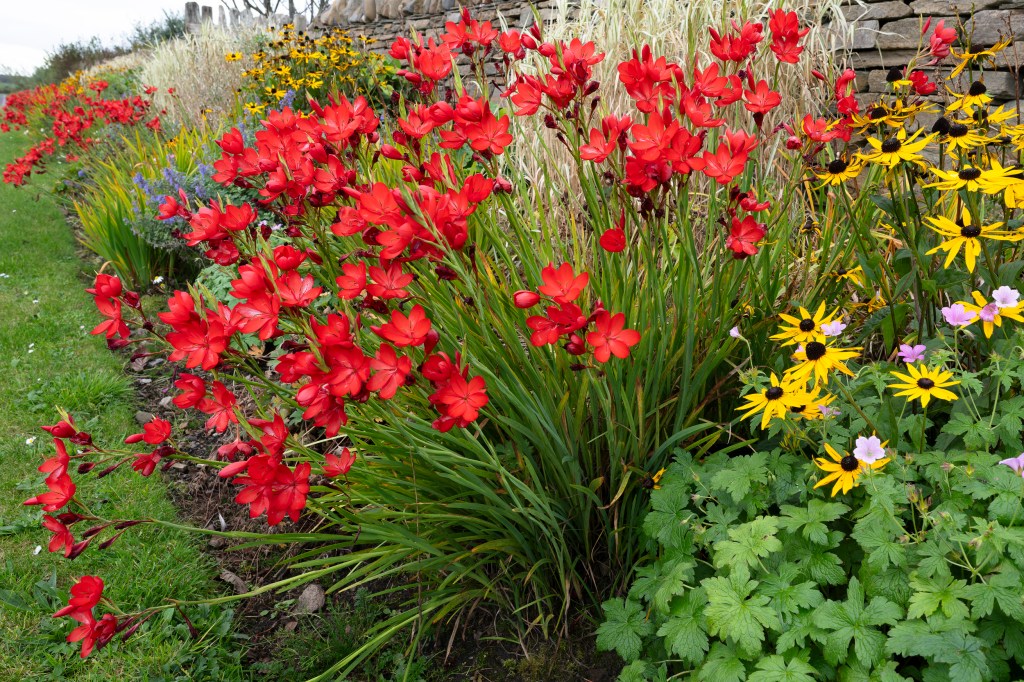
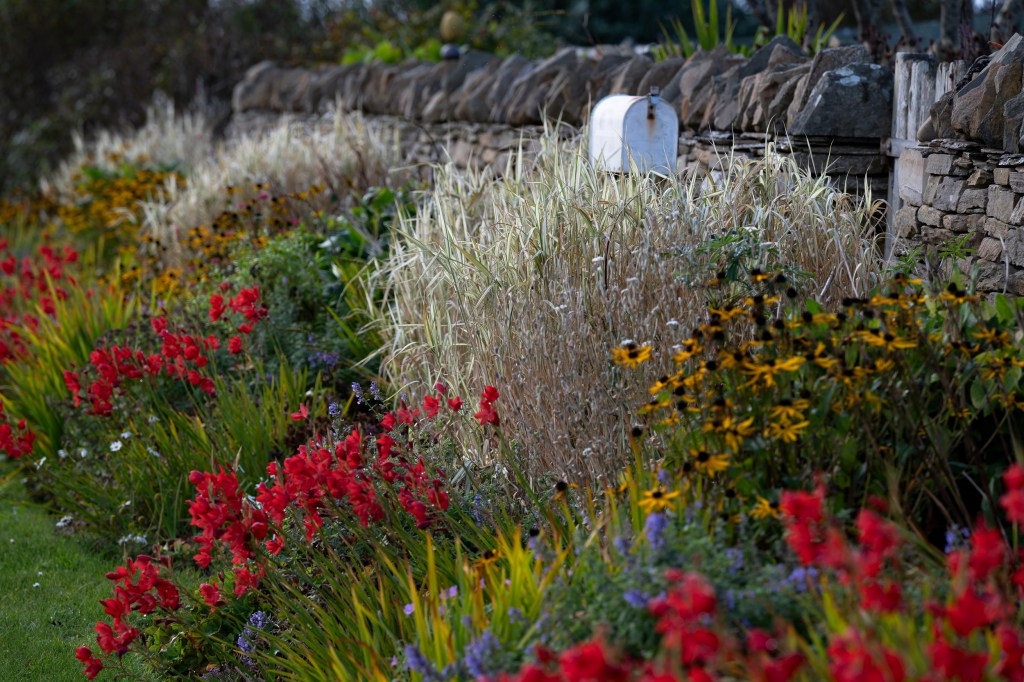
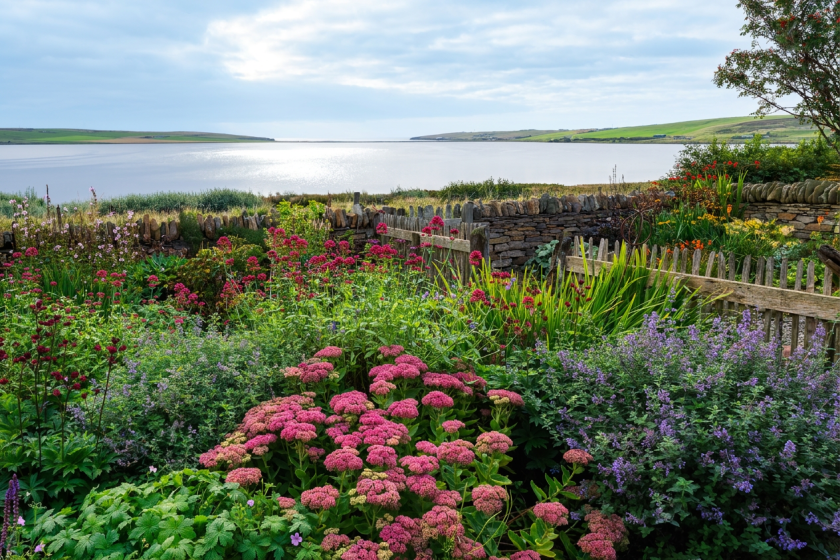
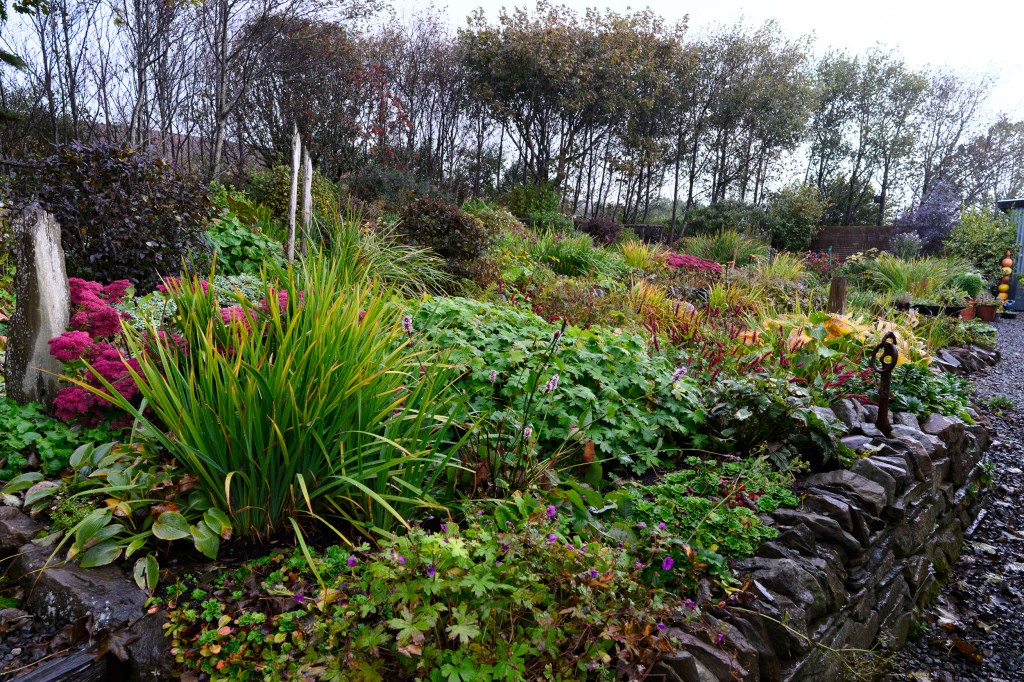
First up is the verge-side guerrilla garden, it gets its tongue in cheek name from the fact that a good slice of it possibly belongs to the county council, it started life as somewhere to put spare plants and has since become a long border that runs the full length of the dry-stone dykes that we rebuilt in 2020, our covid lockdown project. For most of the year it’s a typical cottage garden mix but for Autumn, when most perennials start to fade, Jacqui has simplified the planting down to three main players, Rudbeckia goldsturm, Hesperantha coccinea and Reed canary grass. Summer plants aren’t lifted and a few geraniums and catmints still lurk among them but for this time of year the aim was three main species, chosen for both colour and wind hardiness.
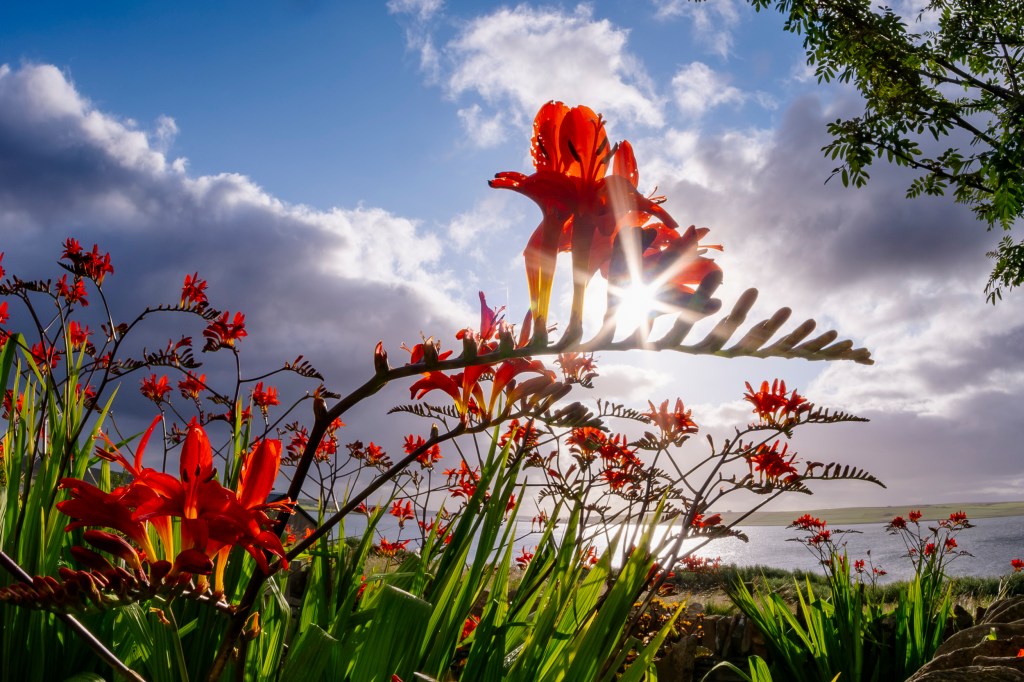
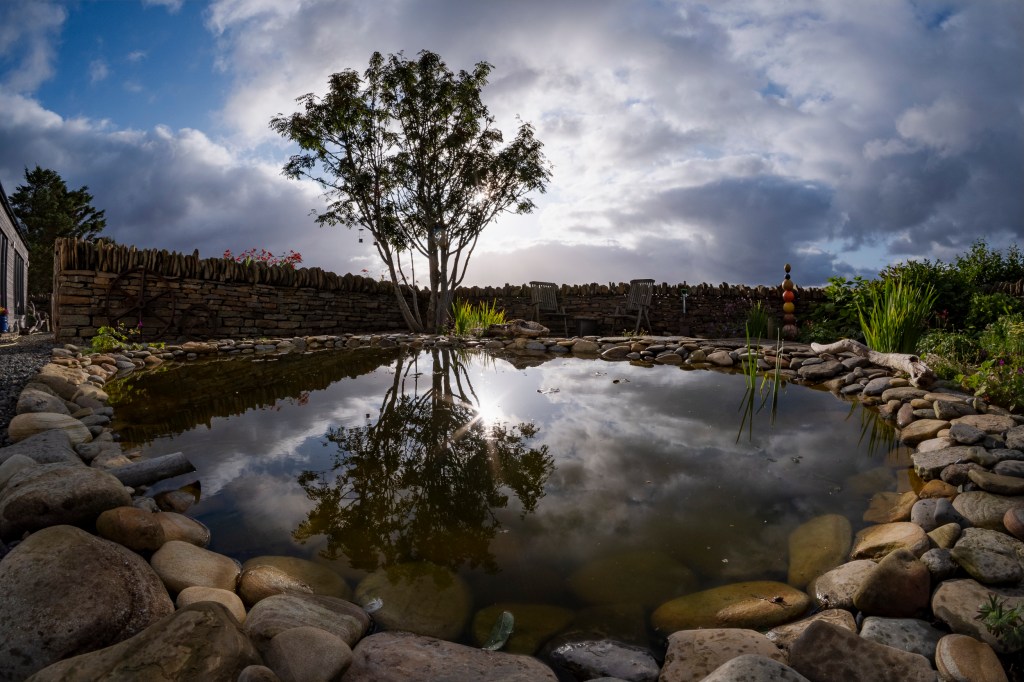
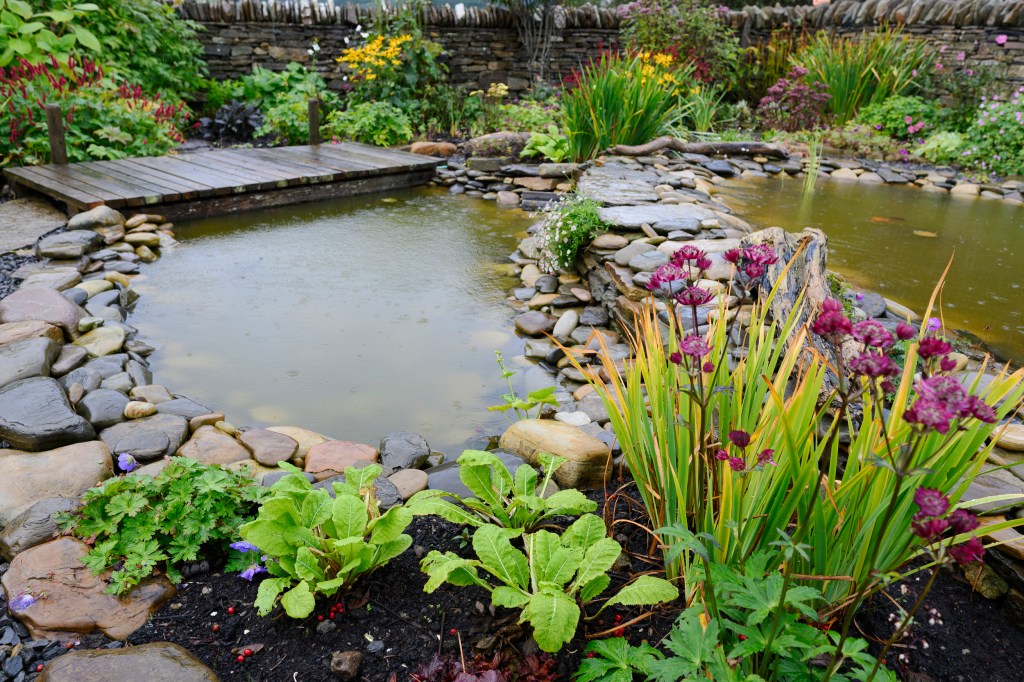
Next we’ll go through the no expense spent driftwood gate and into two thirds of the front garden space. An awkward spot to layout, it didn’t just slope downwards but also sloped right to left. We got around this by terracing the ground to the left and then, to break the right to left slope, we split the space with a simple fence. As with the gate no expense was spent, the fence, like the gate, came from the shore. With the exception of the centre ground Centranthus ruber which seems pretty much gale proof, most of the planting is deliberately kept low, anything tall goes next to the dyke or the fence to be discreetly wired into place. The front garden carries on, following the line of the guerrilla garden and the house, when we rebuilt the dykes the last third of it was enclosed on all four sides with stone, a Kale yard, a nod to this wee houses history, the spot where veg would have been grown. When we first laid it out we made a large central bed with a border on its Southern edge, a few months ago we replaced the central bed with a couple of ponds, something that from a garden wildlife point of view had been sadly lacking. The ponds are young and still murky but they’re planted with native waterlilies and oxygenators and time will eventually clear them. Carry on South and beyond the stone dyke there’s a place between garden and moor that in Spring will be planted with phacelia and mustard, pollen for bees and winter seed heads for finches.
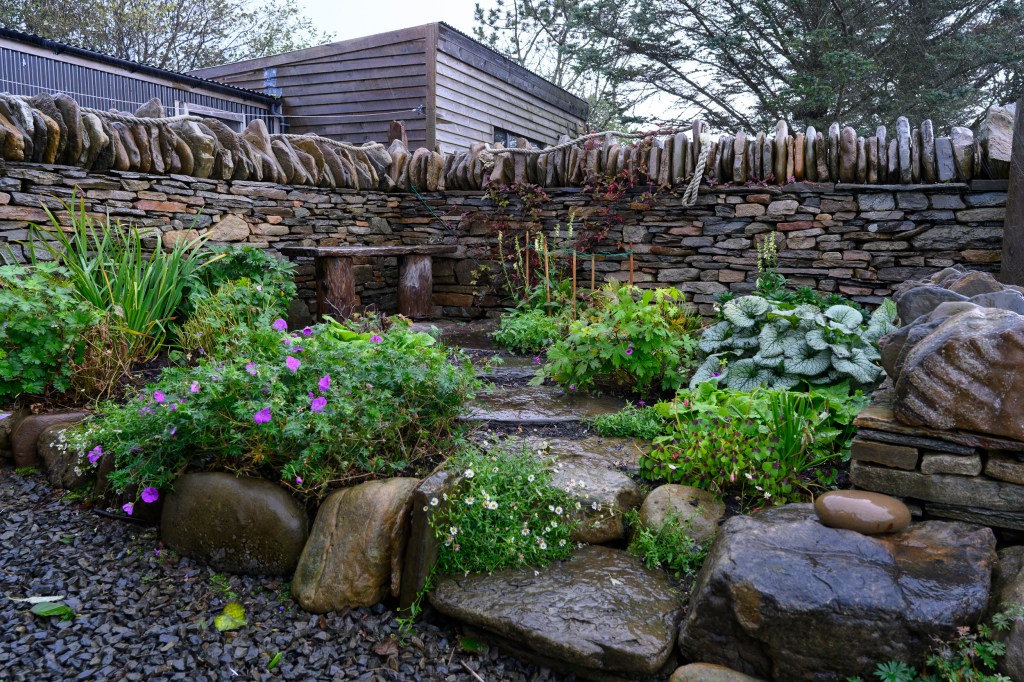
Leave the front gardens, turn the corner of the house and you’ll come to a space that like the ponds is another recent project, a small courtyard enclosed on three sides by stone dykes. The dykes were built with the last of our stone, we were down to the dregs and I had just enough to finish the walls but had to salvage the top stones, the upright “pennies”, from the shore. There’s a simple driftwood bench that one day, when I get around to cutting up a hot water tank, another shore find, will have a copper top. Quicker to dry than timber, no wet backside when you sit down. It’s a project that had been on hold for years, when we were renovating the house we dug the space out with a mini digger so that a concrete mixer could reverse up and pour a new floor, when the house was done we put it all back and built the dykes. It sits in a wind tunnel and has only recently been planted, some plants will thrive, others might struggle with the westerlies and easterlies that funnel through the narrow space between house and outbuildings – to be tweaked as time goes on.
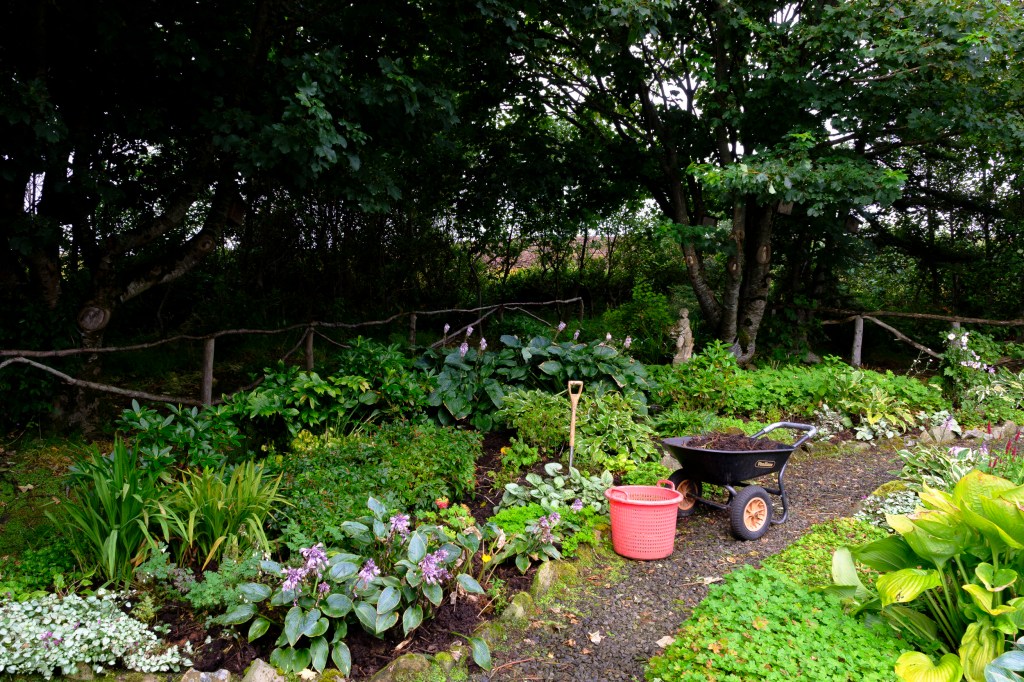
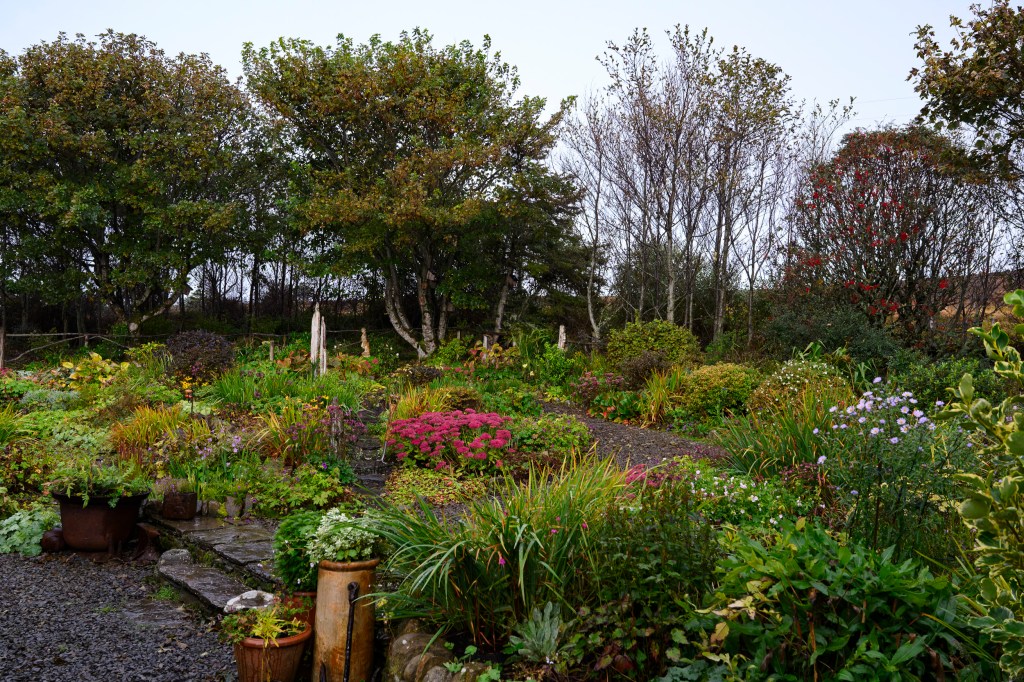
Turn the corner again and you’re in the back garden, another space that because of the slope is better for being terraced. We inherited three Sycamores and topped up their shelter with Red alder, a tree that cleverly fixes its own nitrogen and even in this neck of the woods will grow, when young, by a metre a year. At this time of year the back garden is fading, it paces the trees that protect it from the westerlies that race in from the open moor, as they crisp to brown and shed their leaves, the garden dies back. Reds and soft yellows and marmalade orange, the autumn colours that the trees up here can’t give.
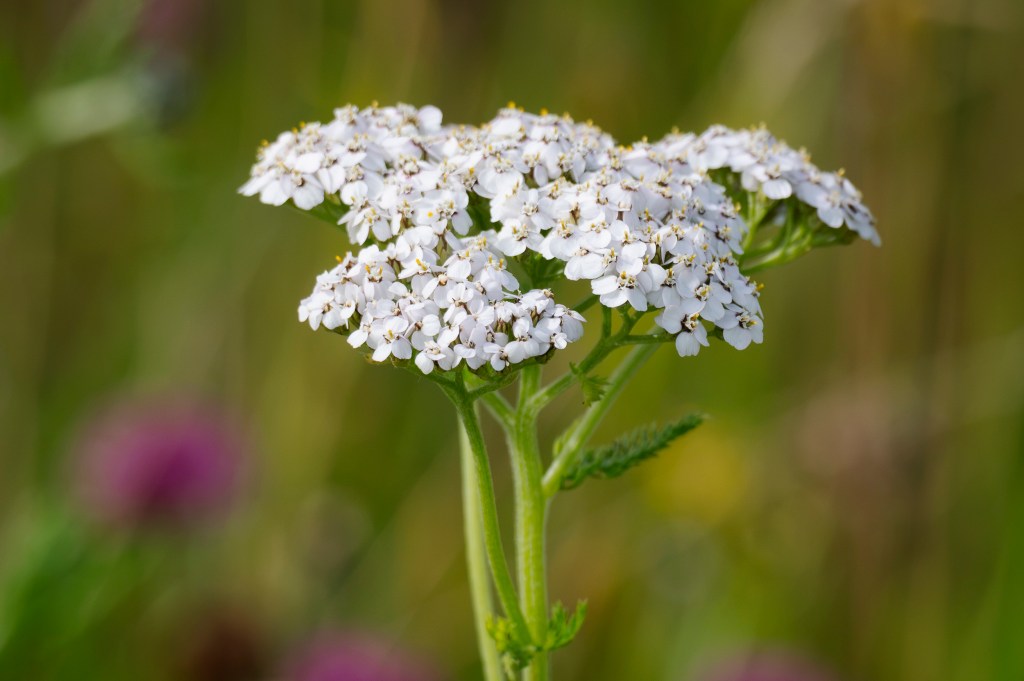
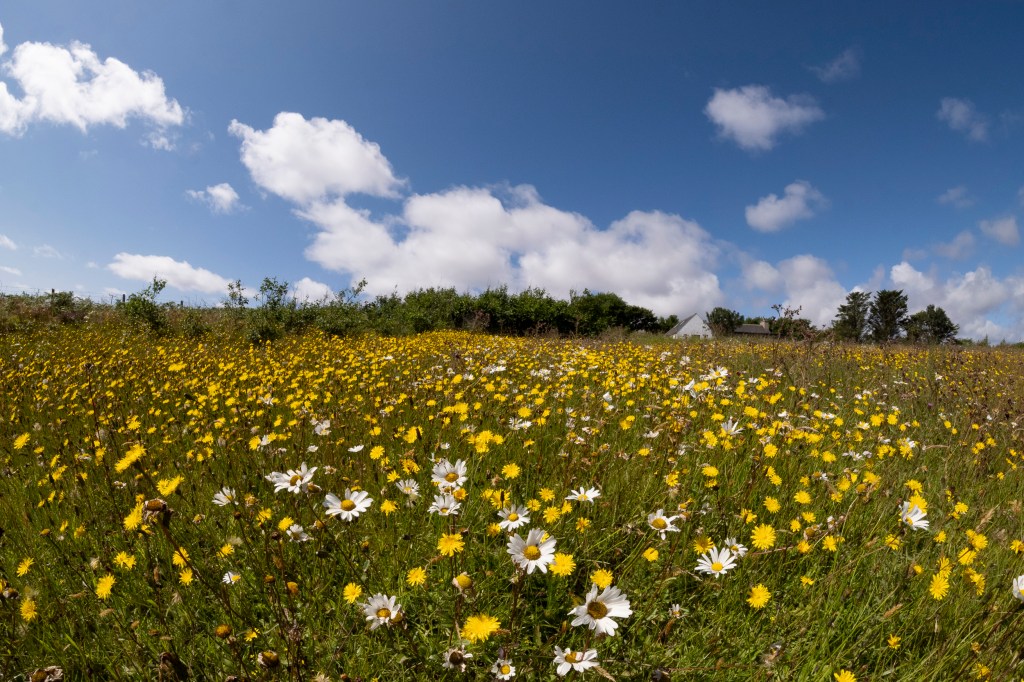
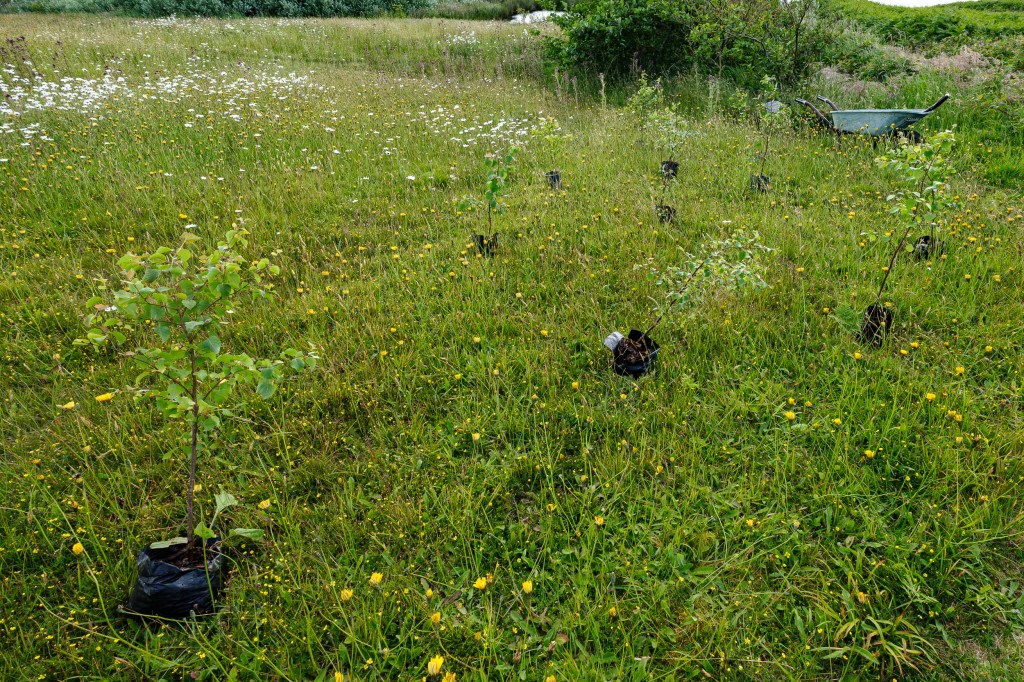
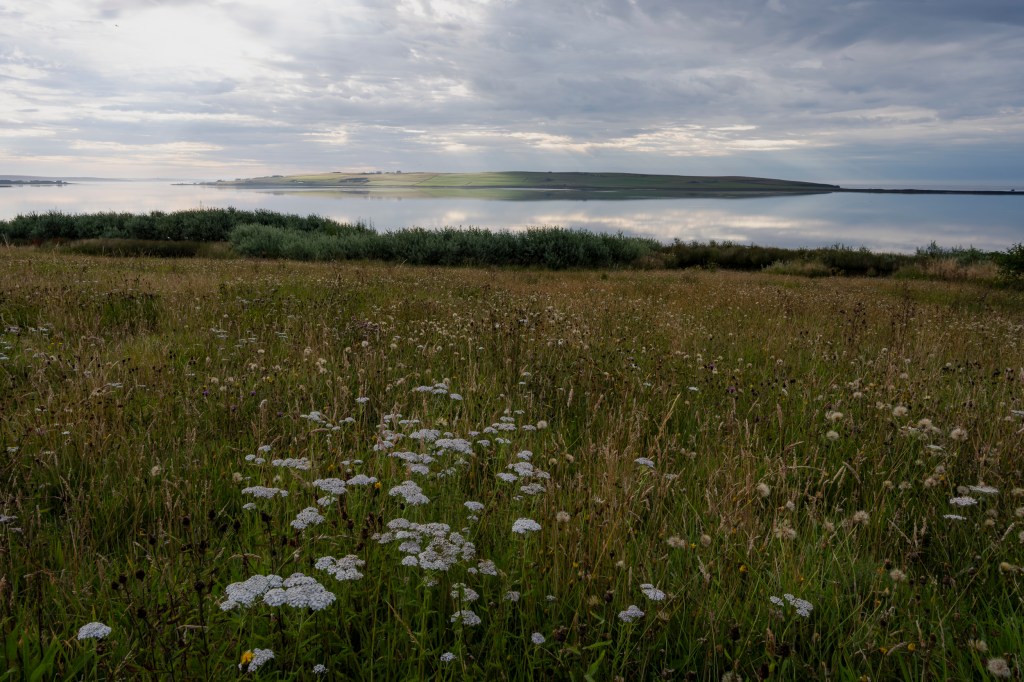
Turn on your heels and go back through the front garden gate and between garden and shore there’s the meadow, a long term project that has seen a duo-culture of Soft rush and Common bent turn into the meadow that decades ago, before it fell into disuse, it once would have been. Like the back garden it’s pretty much over for the year, the Yarrows in the foreground are the last man standing. When they have faded to seed I’ll walk a power scythe over it, raking up the hay and piling it near the shore so that beetles and bugs and Wood mice can bed down in it. When Spring comes, I’ll mow it until the end of April – the Soft rushes that dominated are still there of course but the mowing and cutting keeps them in check, allowing others the space to grow.
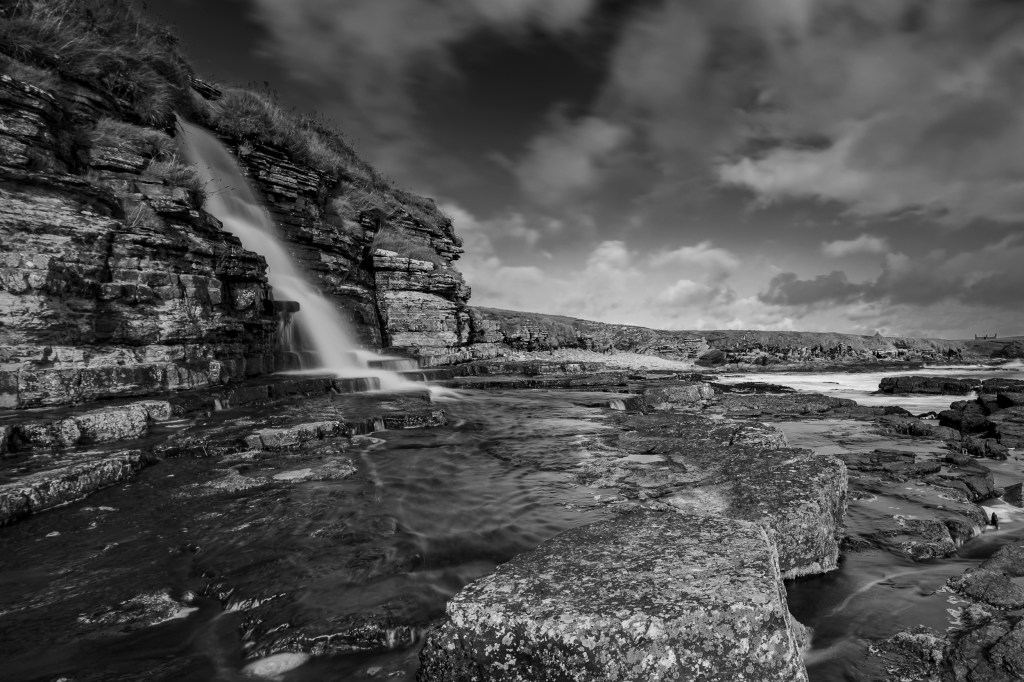
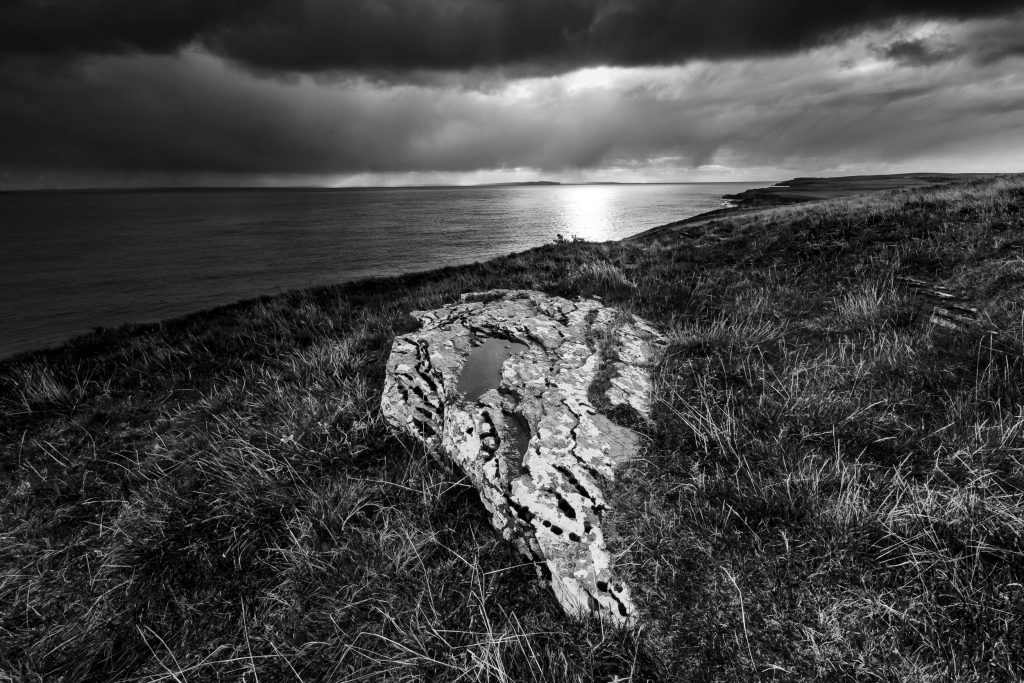
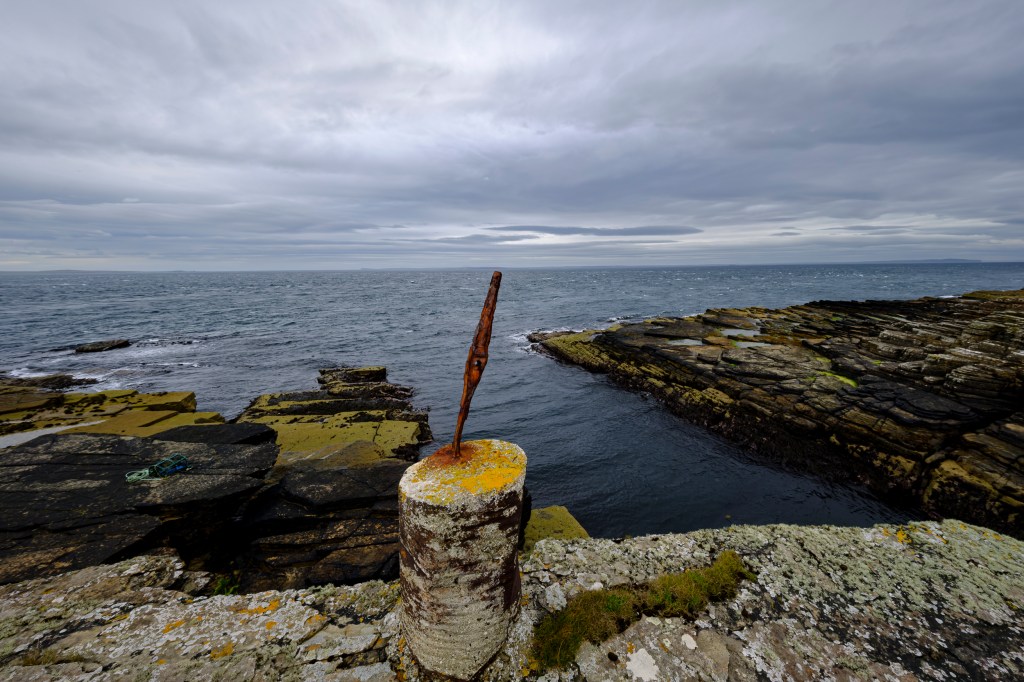
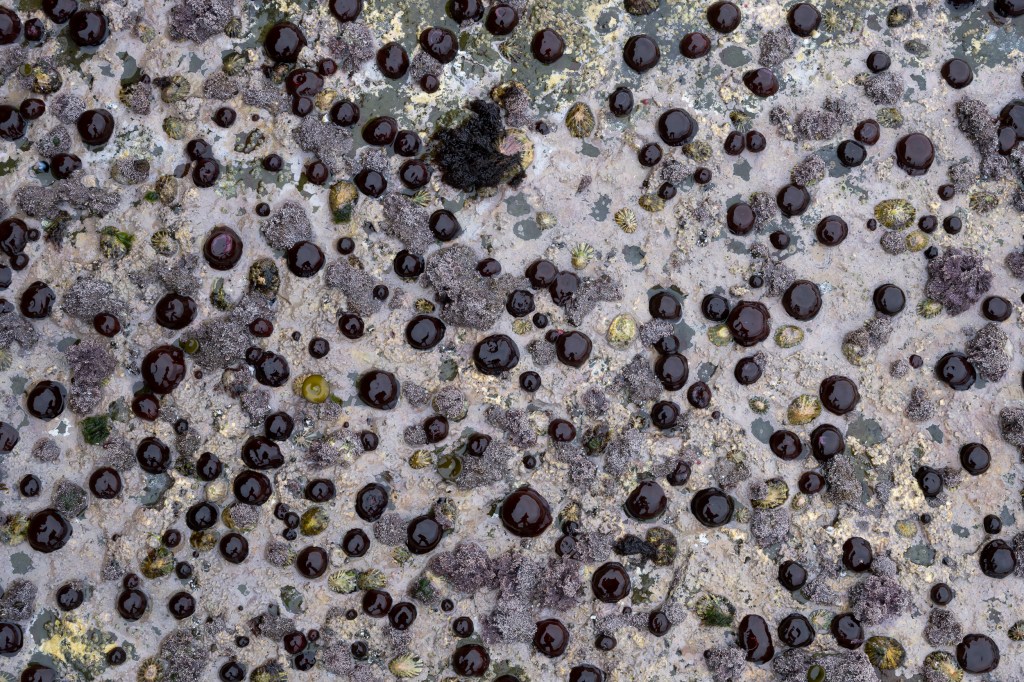
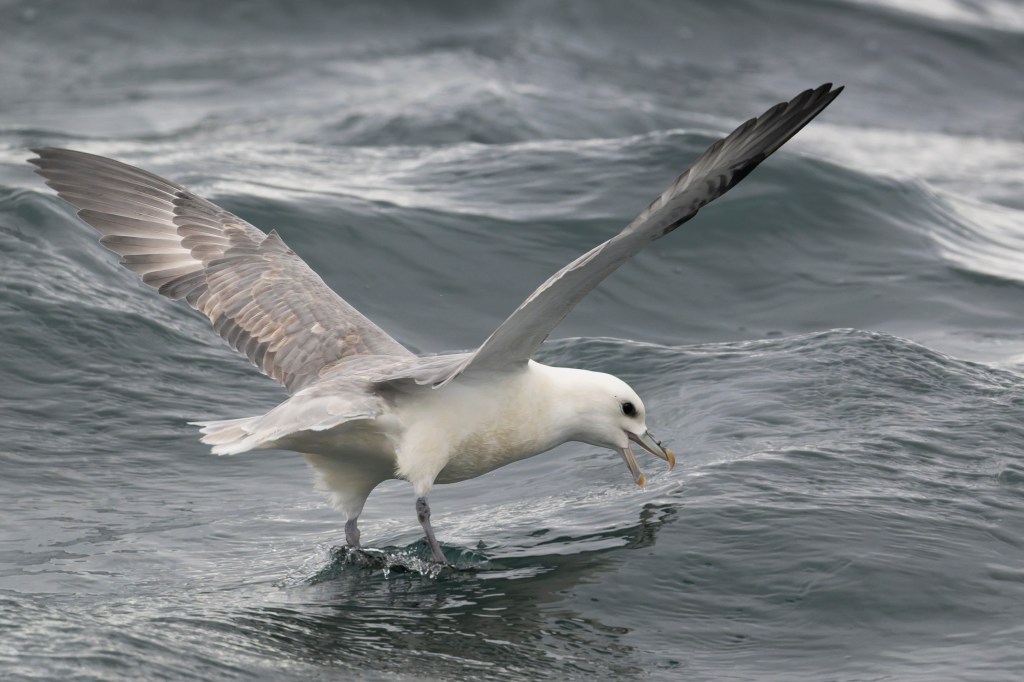
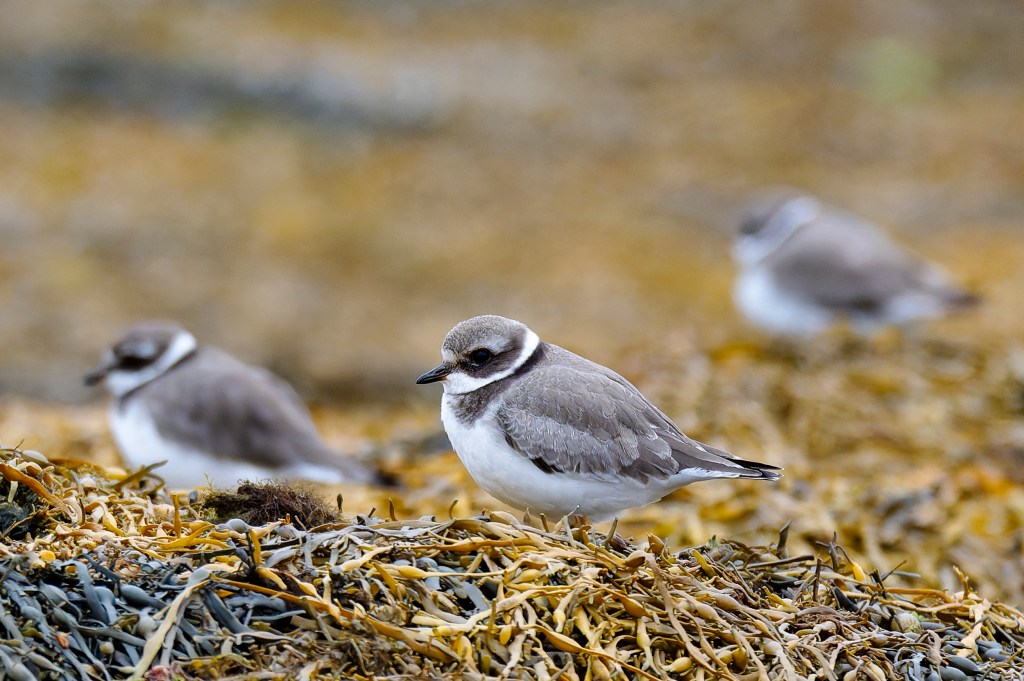
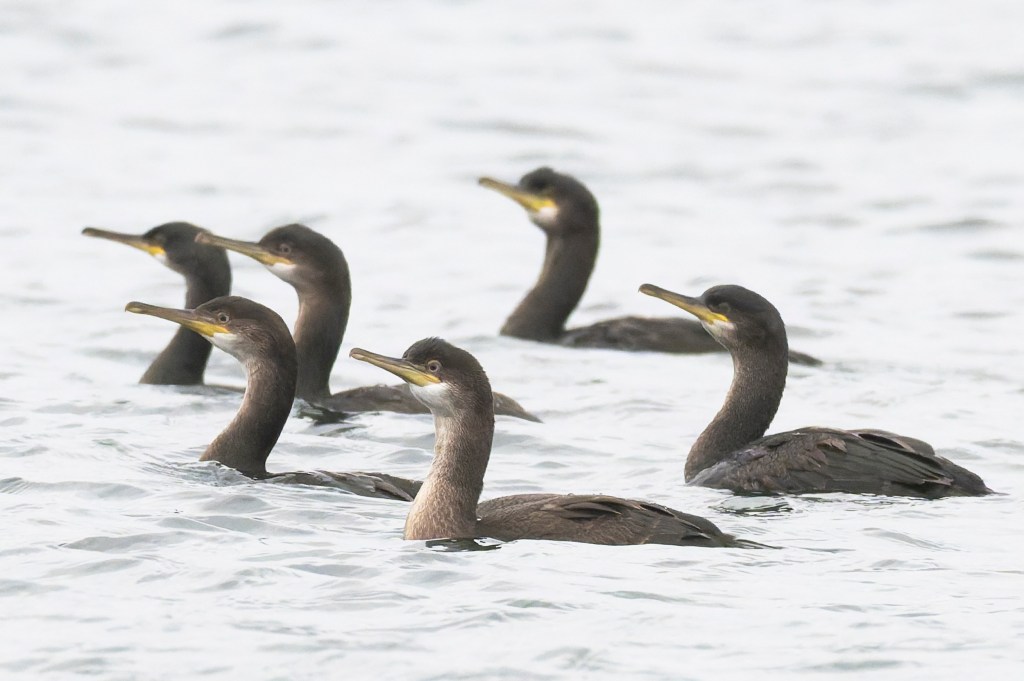
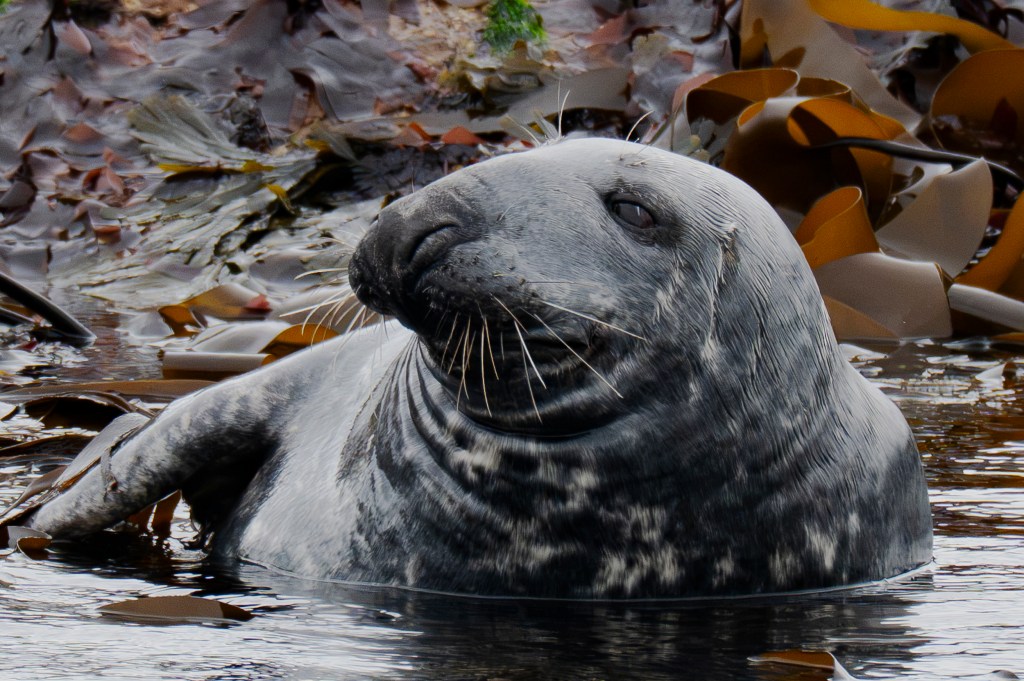
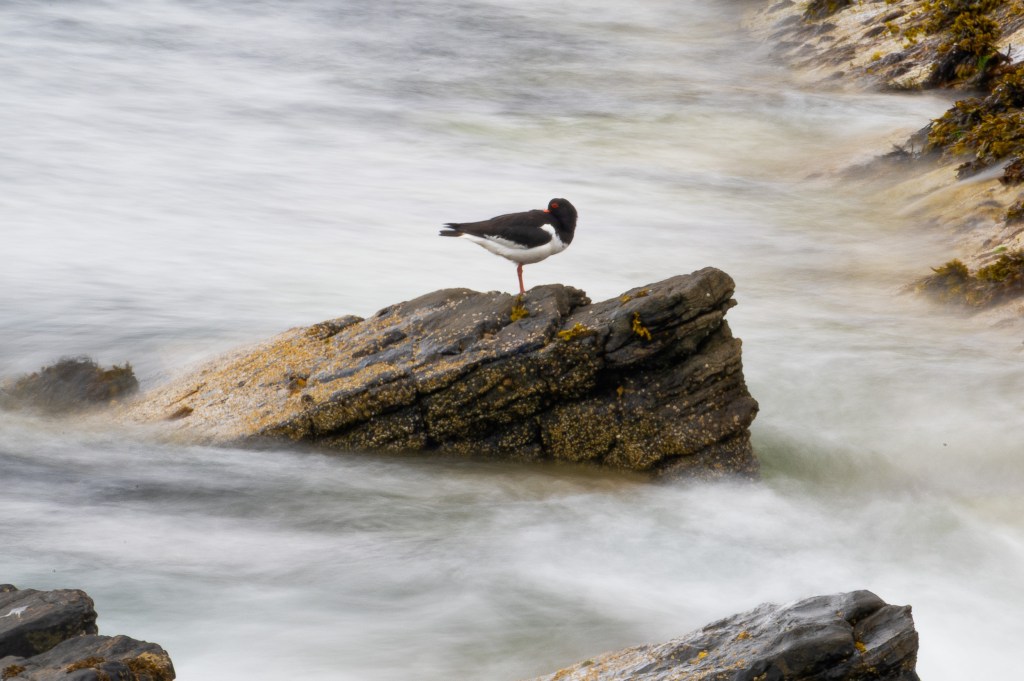
Go beyond the meadow, through the willow coppice mentioned last week and you’re down onto the shore, under ancient Udal law, a throwback to the days of the Norsemen, the shore here belongs not to the Crown but to the deed holder. In reality it belongs to the creatures who live there, the Eiders and the Fulmars, the Harbour Seals and others.

For more Six on Saturday’s head over to Cornwall and Jims blog