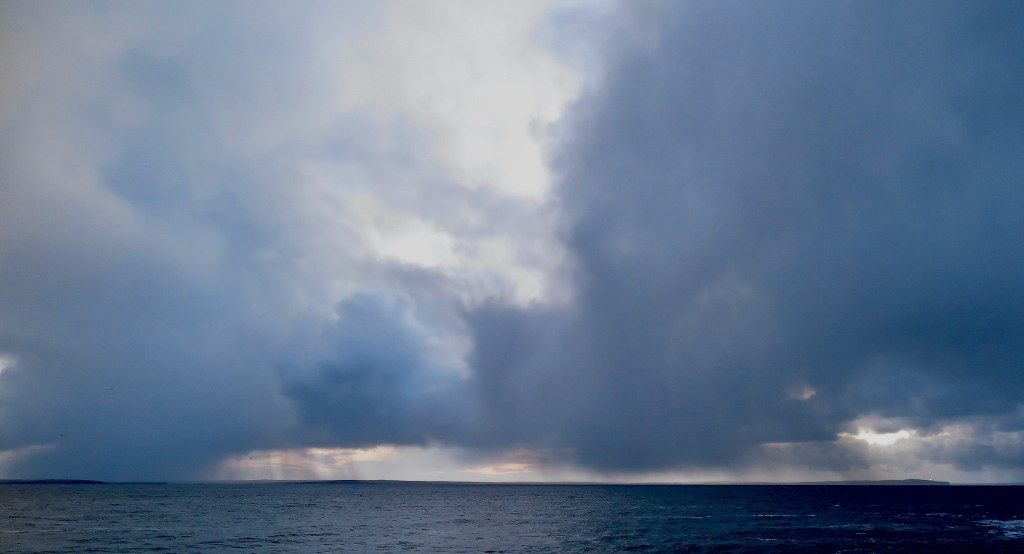
The past week brought the usual mixed bag of weather, warm bright days and spells of rain with the odd gale thrown in for good measure. A mild week with winds from the south, even on poor days there was a warmth in the air.

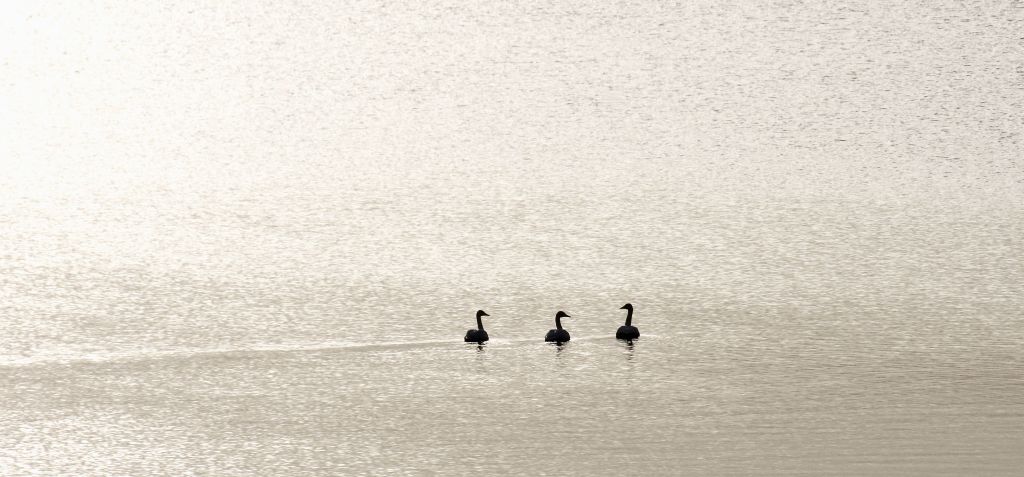
The first swallows were seen this week, back from a winter in Africa. On Monday a single bird, by midweek, a half dozen, hawking for insects close to the shore. As swallows arrive other birds have left. Barnacle geese no longer rise yapping from the fields. Although most of the barnacle geese that winter in Scotland head west to the Island of Islay, around 1500 birds winter here. Ever wary, the sight of a distant human is enough to lift a flock of hundreds into the air at once. The most common goose here is the greylag, britains only native goose . As a breeding bird they were absent from Orkney until the 1990’s, now there are around twenty thousand resident pairs, their numbers in winter swollen by the arrival of around seventy thousand Icelandic birds.

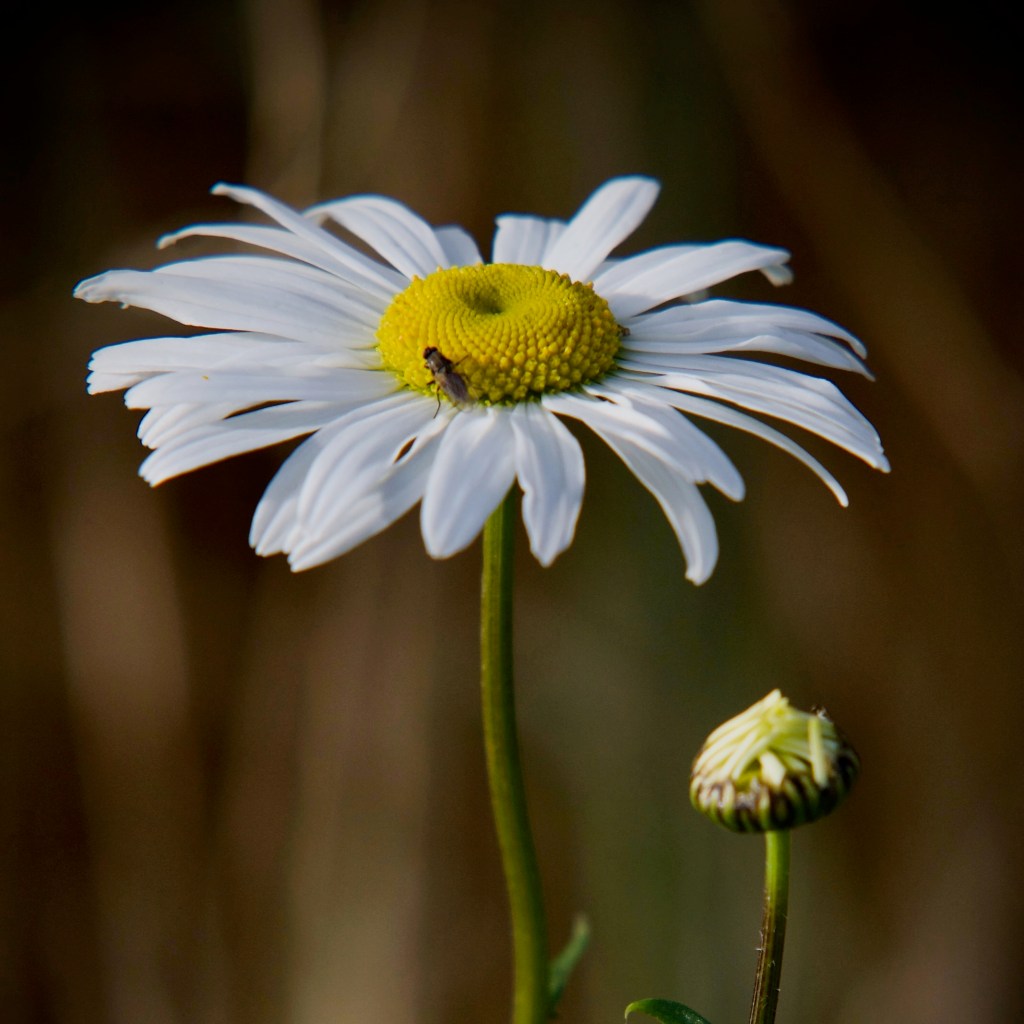
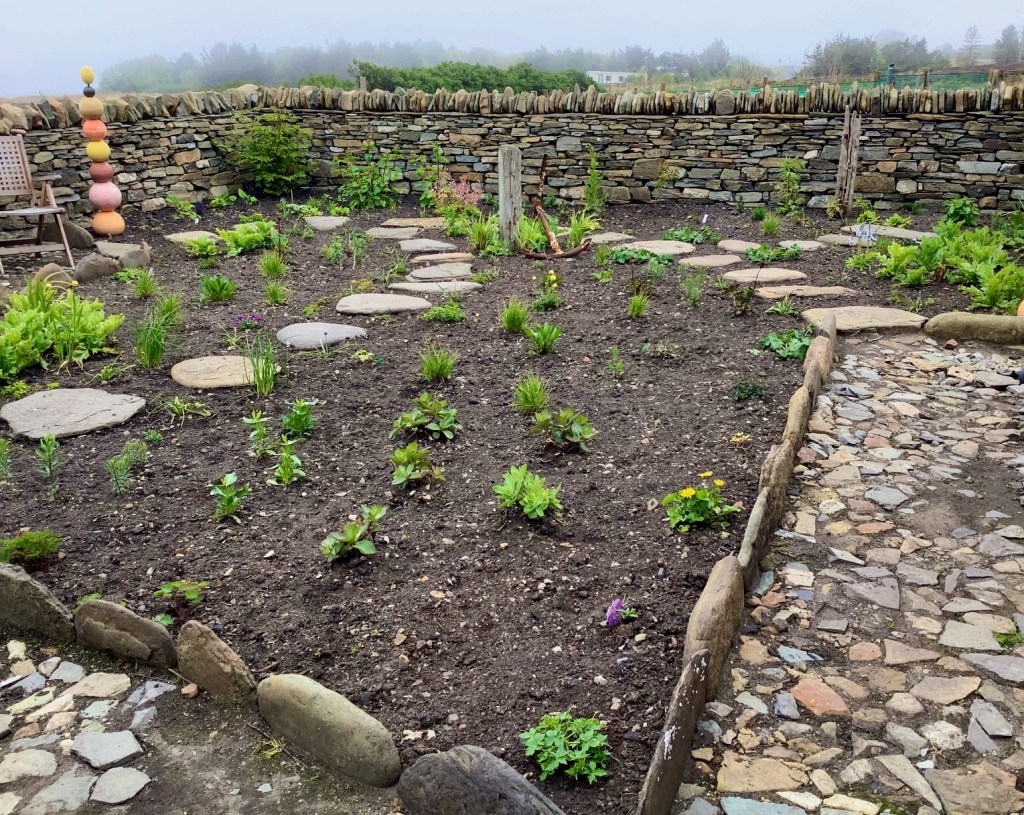
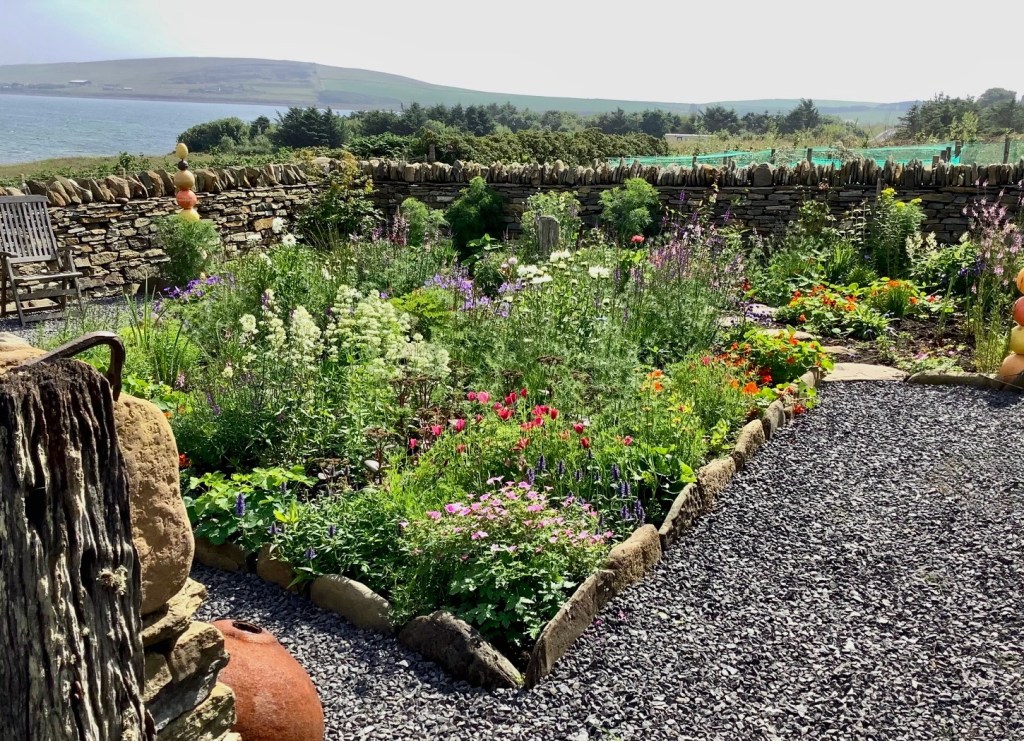
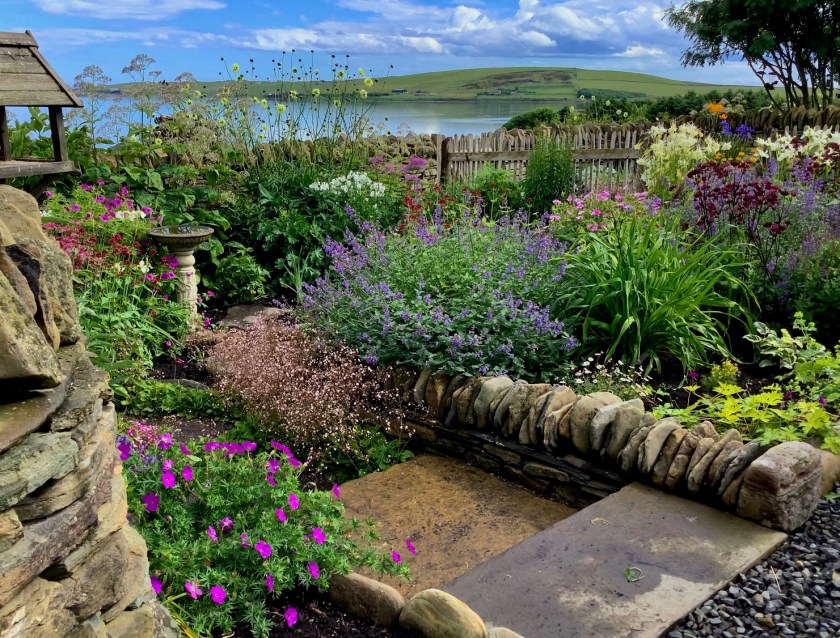
In the garden more daffodils are starting to open, the turn now of a variety called Thalia, in the half light of dawn or dusk their creamy white heads appear almost luminous. Lodden lilies, the summer snowflake – Leucojum aestivum, are brightening a shady corner. Other bulbs are starting to show, camassia are up but a while yet before they throw out spires of star shaped flowers of either white or blue. In the leaf litter below shelter belt alders, clumps of wild garlic, begged from a garden across the bay, are heavy with yet to open buds.

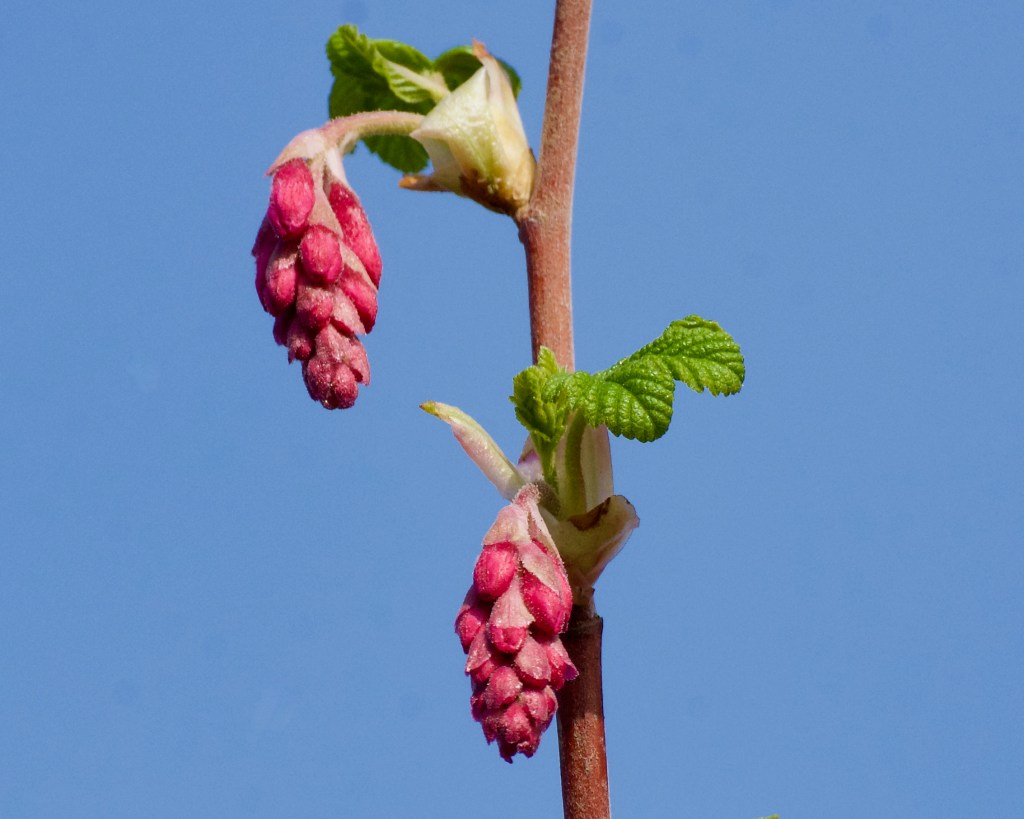
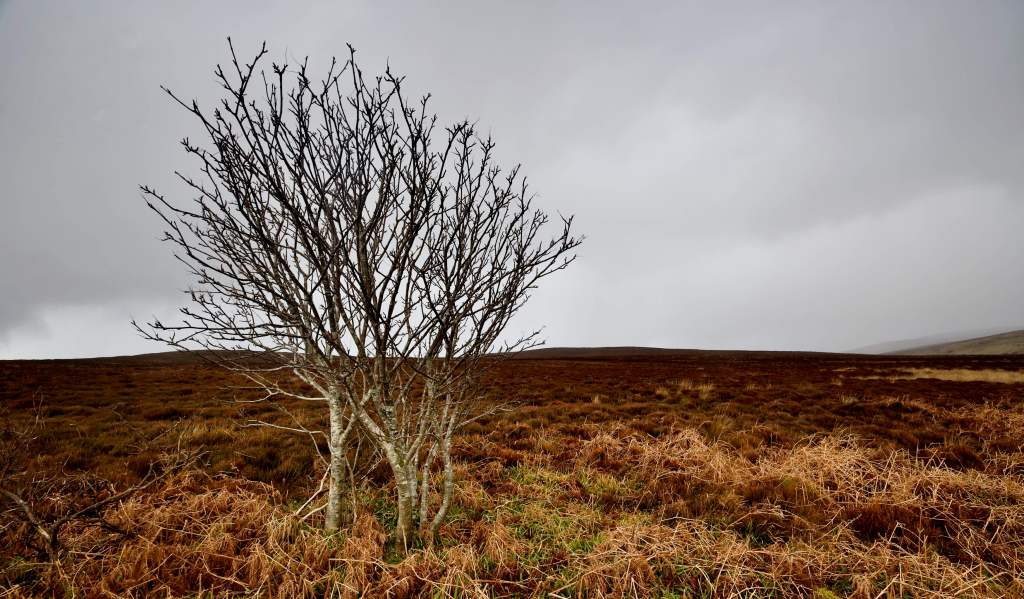
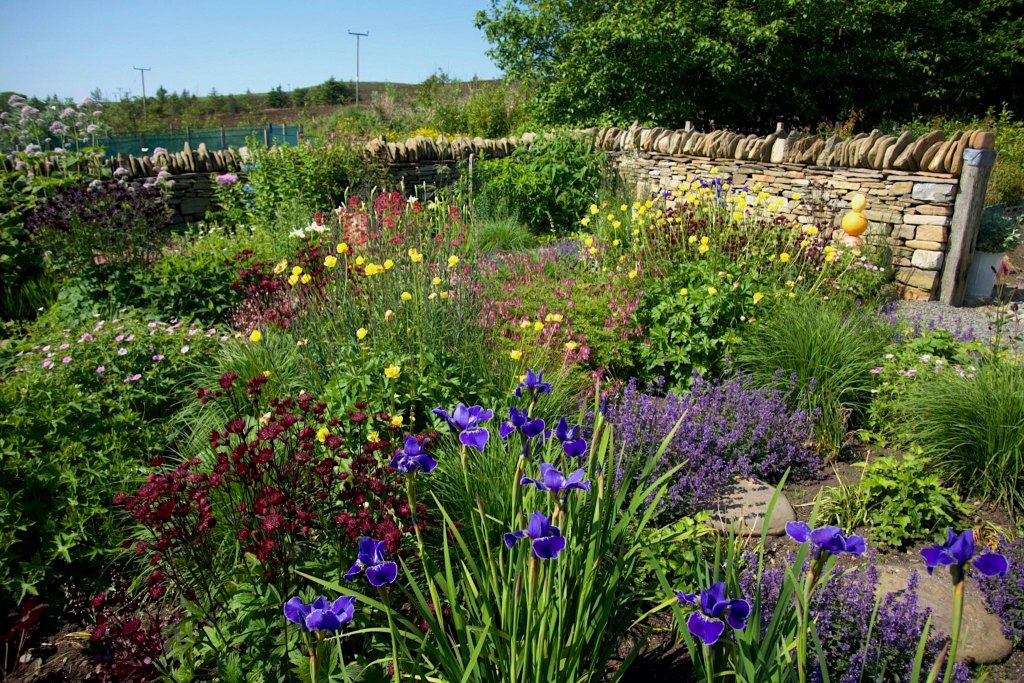
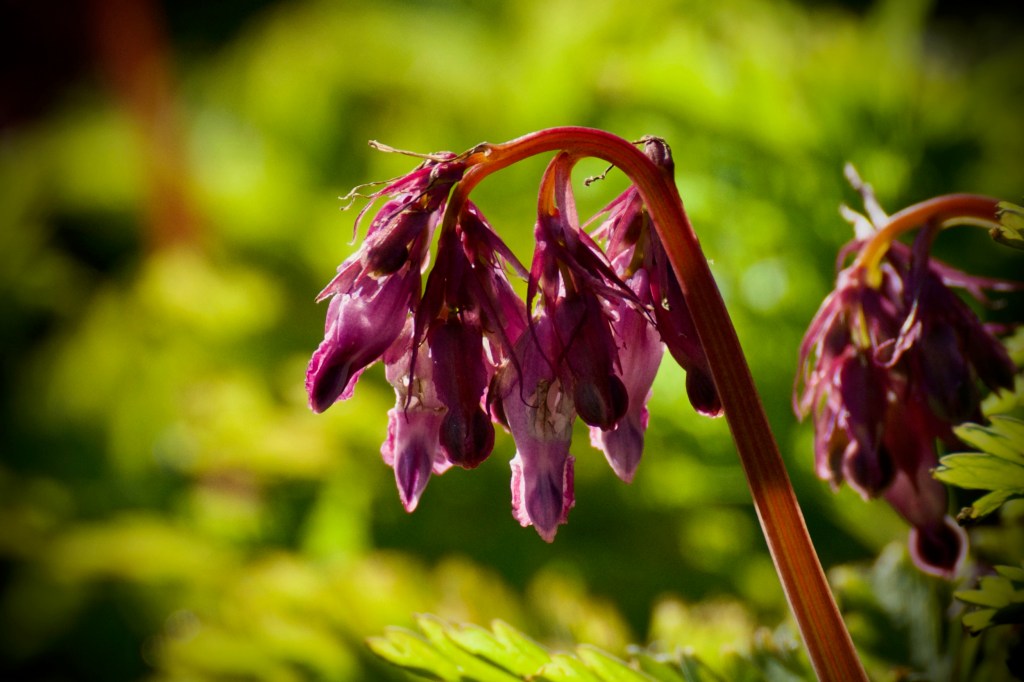
The buds of shelter belt trees have yet to burst open. From the back garden the open moor can still be seen through a screen of bare branches, a few weeks yet before newly opened leaves draw a green veil across the view. Early perennials are starting to put on a show. Variegated brunnera silver heart is flecked with tiny blue flowers. Leopards banes are bright with yellow flowers. The nodding heads of bleeding hearts are opening, a favourite, with its soft green foliage and pink flowers, is dicentra luxuriant.
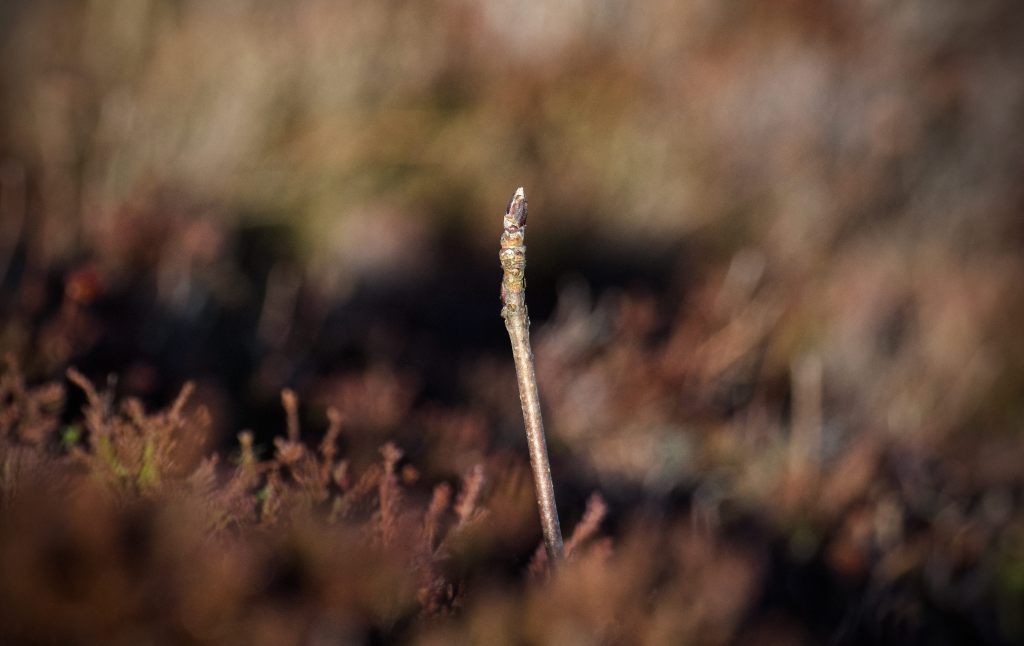
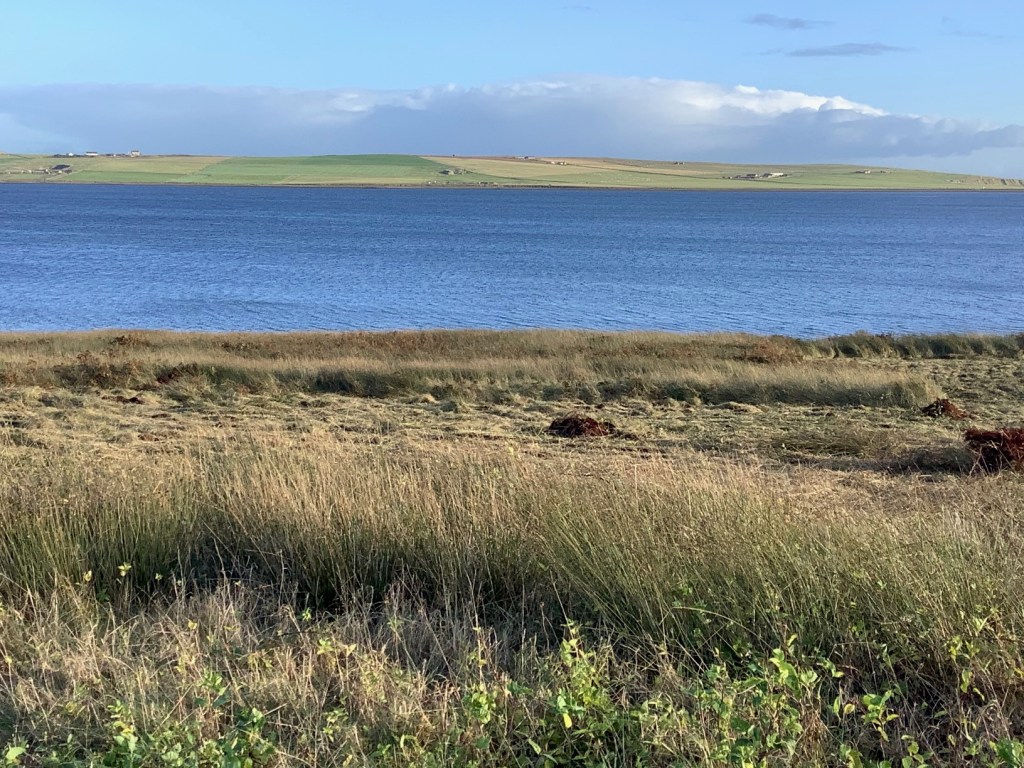
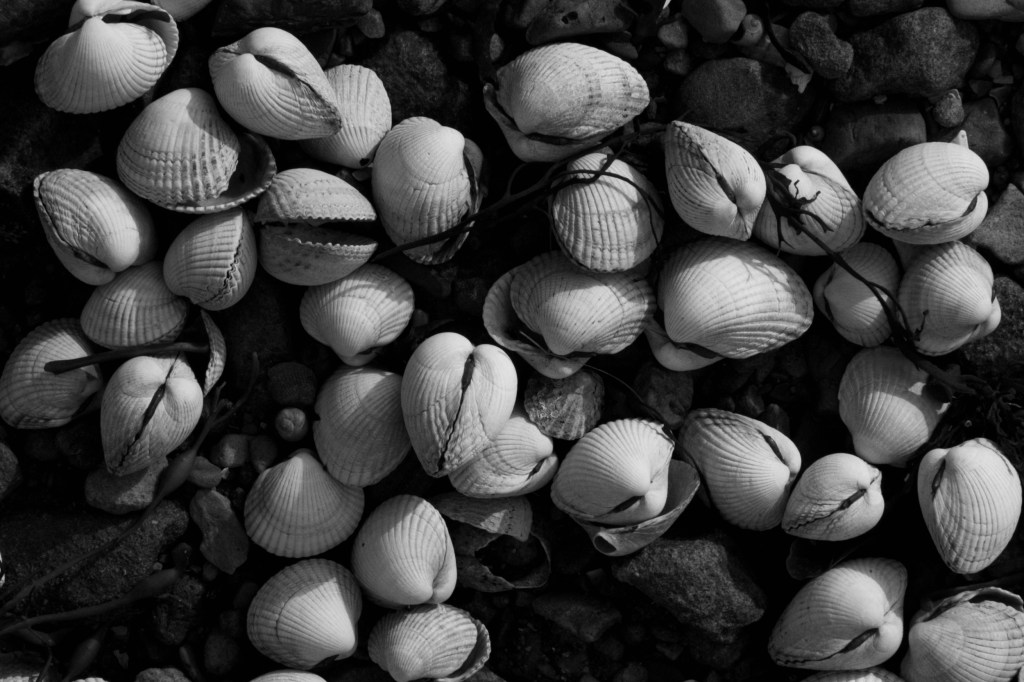
Finger thick Aspen cuttings were taken from the garden of friends along the road. They moved here forty years ago, taking on a few wet acres that were thick with Rush. Drains were dug and trees were planted by the hundred. Forty years on they live in a woodland, their home, invisible from the road, only coming into view as you reach the end of a shady tree lined drive. The house, its rendered walls painted sugar almond pink, sits low amongst the trees. Warm and welcoming, just like its owners. After taking the cuttings, and borrowing a pair of loppers for a job at home, I walked back along the shore, the bay here is too sheltered for driftwood but finds are made now and then. A while ago, a bright orange double handled shellfish basket turned up, now a trug for the garden. The best so far is an 1950’s aluminium fishing float, its original bright yellow paint beautifully faded and sea worn. Stamped into the alloy is the name of the maker followed by its country of origin – Espania. This time around though pickings were thin, a few pieces of sea glass and a pocketful of cockle shells.
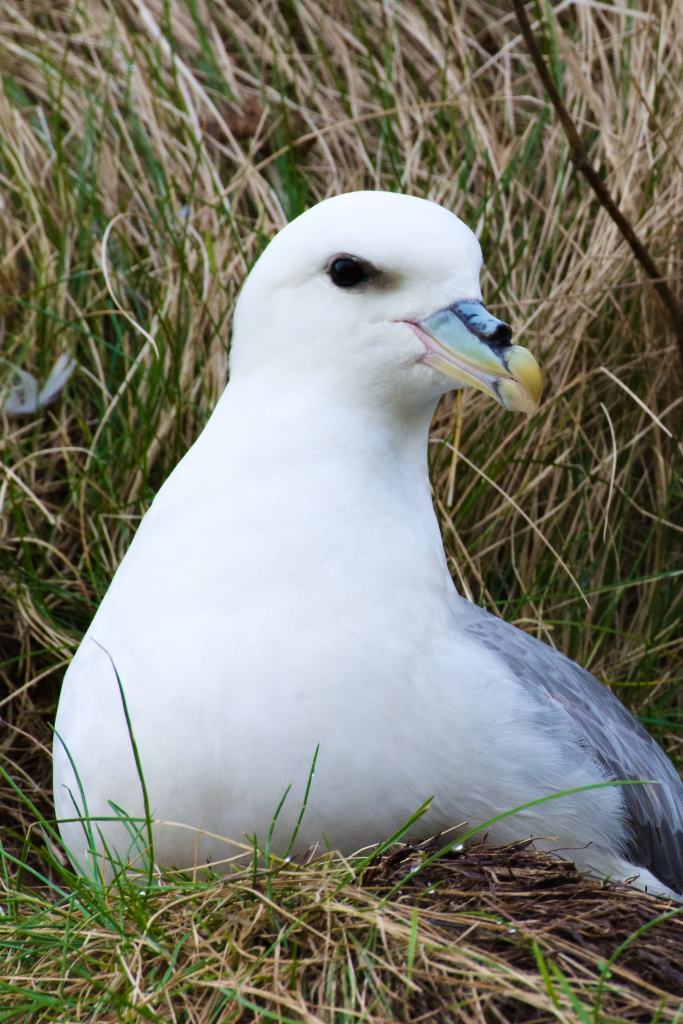
Fulmars have returned to the low cliff at the bottom of the meadow. Cliff is really too strong a word, more a raised eyebrow, at its highest perhaps thirty feet from meadow to shore. The lack of height doesn’t put the Fulmars off, in places they nest just a few feet above the high tide mark. The birds spend the winter at sea, only occasionally returning to land. Space is limited, the cliff face is thick with wild rose and bramble but here and there, on a flat spot that allows uninterrupted takeoffs and landings, a bare scrape of a nest will be made and a single egg will be laid. Incubation takes around 50 days, with a further 50 days or so before the fledgling leaves the nest. From an egg laid in early May it will be mid August before the youngster is ready to spread its wings.