
On Sunday past a Minke whale and her calf paid a brief visit to the bay. We saw the calf first and thought porpoise, only when the mother broke the surface a few seconds later did we realise a whale and her calf. A brief visit that gave glimpses rather than good views, by the time binoculars snapped them into focus they had already taken a breath and were curling back beneath the water of the bay, their long streamlined bodies with a low dorsal fin barely making a ripple as they slipped back beneath the surface. North Bay is wide and shallow, in the past there have be strandings, a thrill to see them but also a relief to watch them turn away from the shallows and head back out into Scapa Flow.
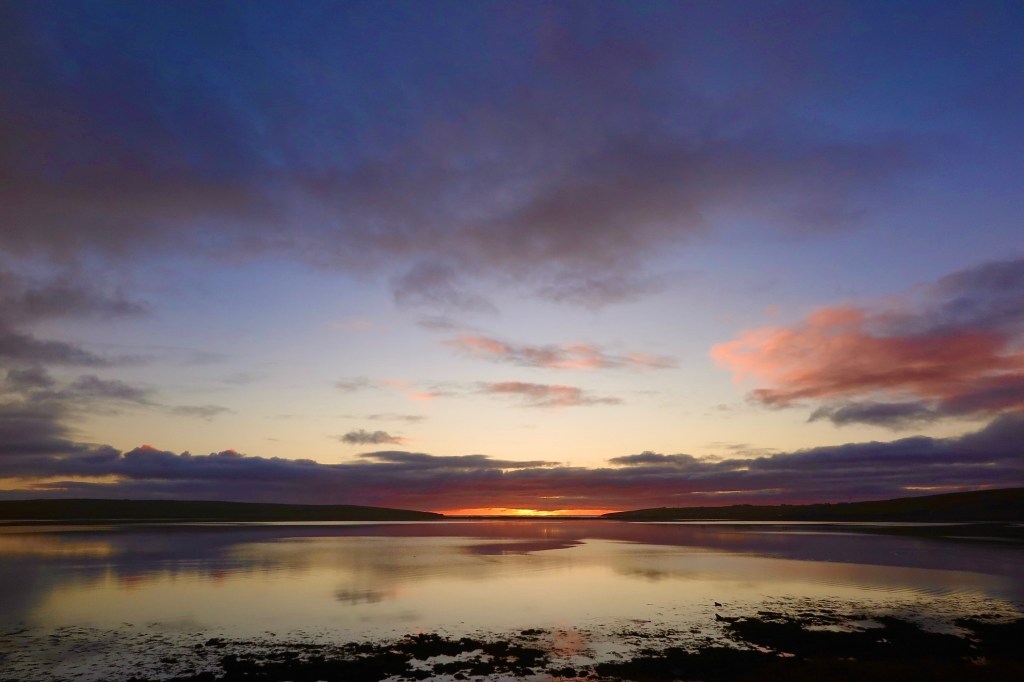
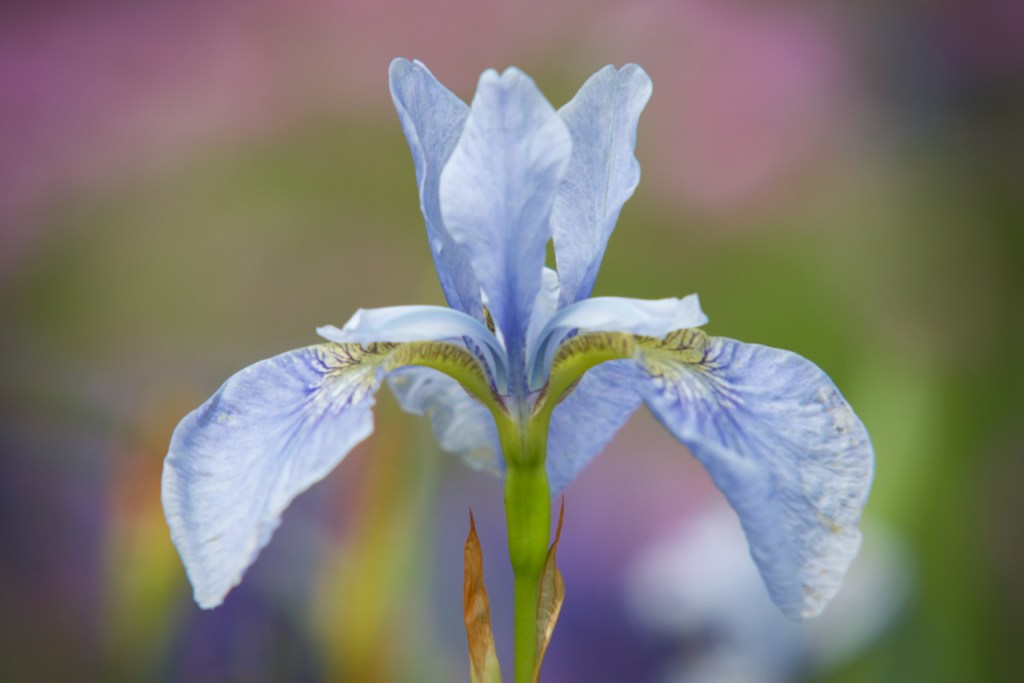
A quiet week in our own garden, Jacqui has been planting a garden a few miles away, a long narrow rectangle a stones throw from the sea that is enclosed by low dry-stone dykes on three sides and the house on the fourth. I tidied up the dykes last year and ran a tiller over the ground. In autumn jacqui planted a selection of bulbs, now perennials are going in. A mix of plants, some grown by the owners, some bought in, some from our garden. The plot is wet and north facing so there’s a bias towards damp and shade lovers. Primulas and hostas along with the likes of siberian iris should do well there.
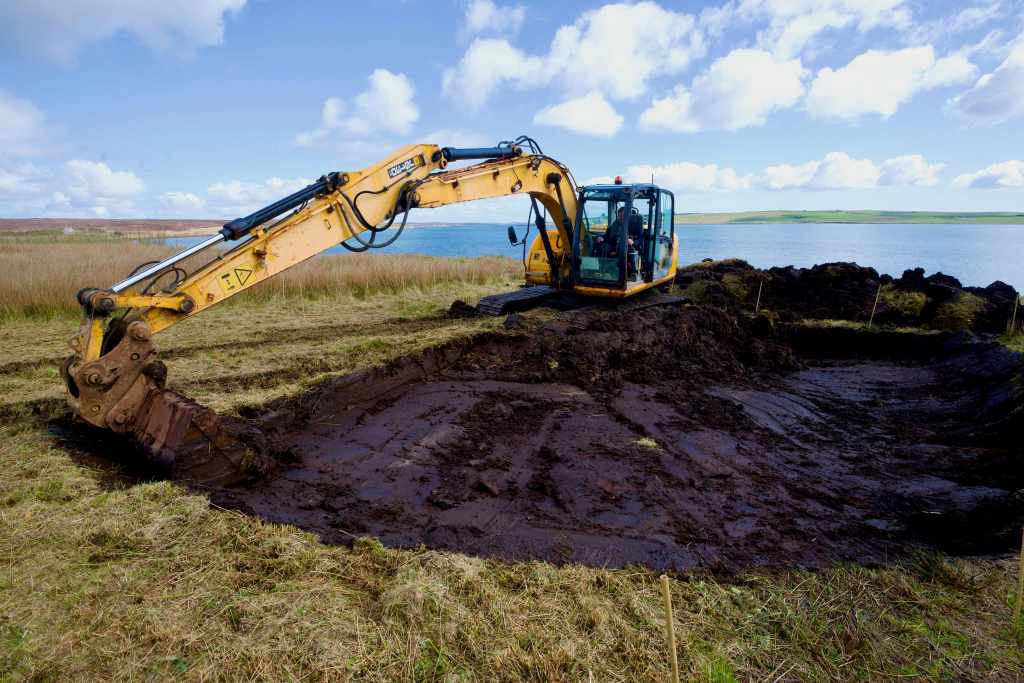
I spent a few days working on a plot next door to our meadow. Our soon to be neighbours are like minded souls, their house has yet to be built but a meadow is already in progress, dozens of young trees have also been planted. This week a pond was dug close to the shore. Kevin the excavator owner working his magic and turning a patch of wet mud into a wildlife haven. Before Kevin left he tracked across the land and dug another pond for us, he dug two here last year, one in each corner of the meadow. With hindsight we regretted not making them bigger. Financially liners aren’t an option and despite the ground down there being permanently wet there was always the nagging thought of “what if they don’t hold water”. We shouldn’t have worried, within days the ponds had filled. Within a week or two whirlygig beetles were twirling and spinning over the surface of the water and diving beetles were being seen, rising from the depths to steal silver bubbles of air.
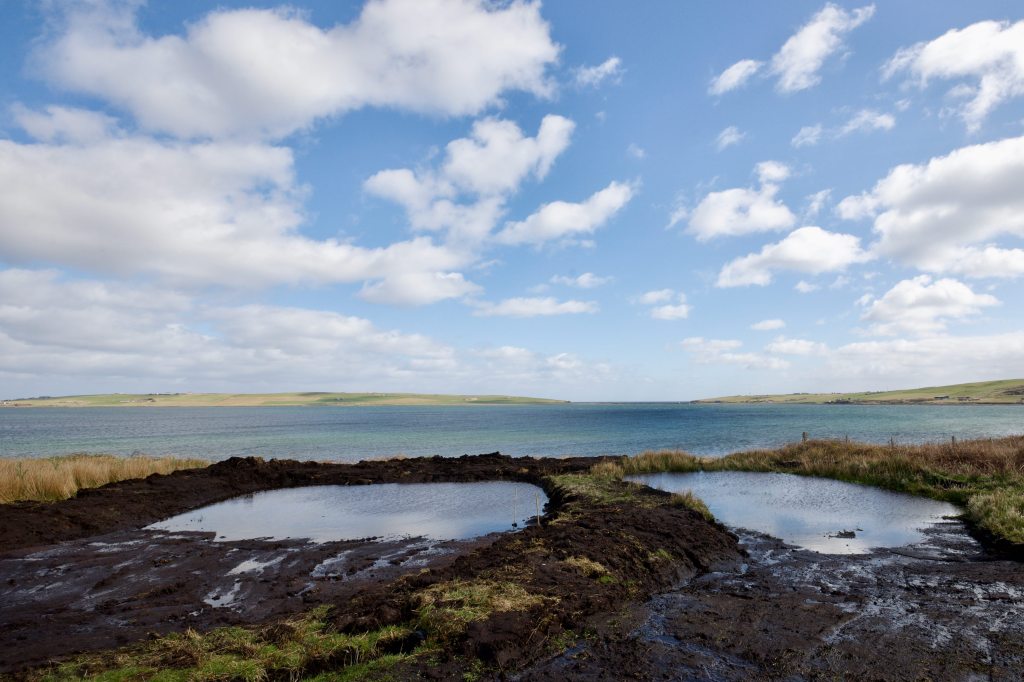
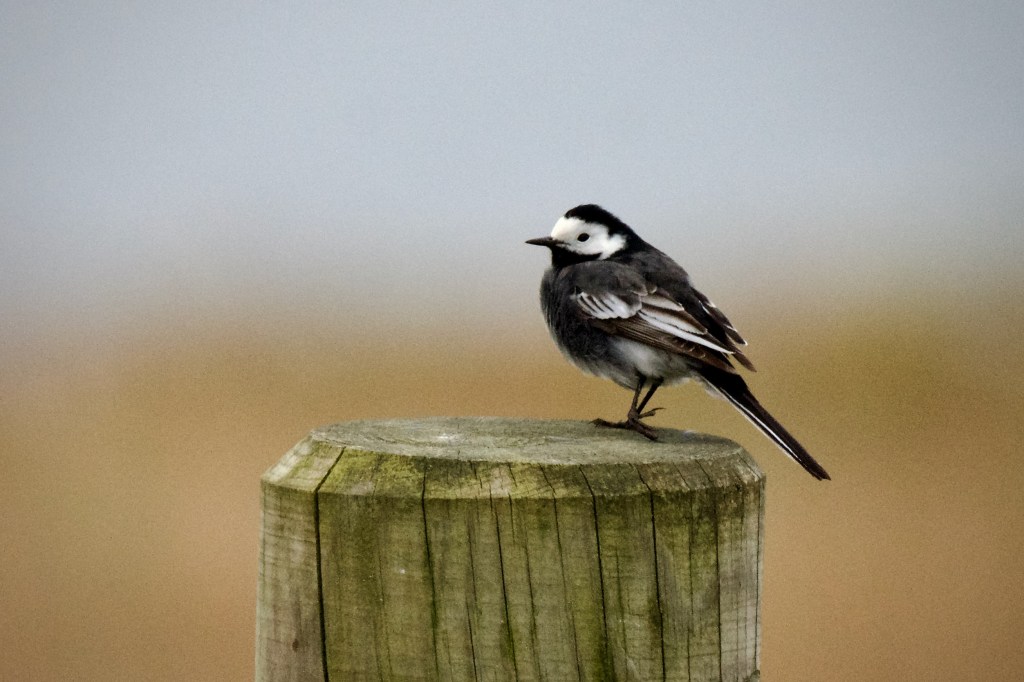
One of the original ponds got a tweak, doubled in size and given a wide shallow area for waders. The other got a twin, a new pond dug along side it. Eventually, when everything settles and the water levels rise, the ground that divides them will become a small narrow island. The ponds are an important part of what we are doing here, true wildlife magnets. Today brought mallards on the water with curlews and oystercatchers probing the shallows. As they were dug pied wagtails and meadow pipits arrived, flitting here and there across the mud, seeking out newly uncovered snacks.
As the year moves on birds not seen since autumn are becoming familiar again. The already mentioned meadow pipits will breed just beyond the garden, hiding nests in a no mans land of tussocky grass and gone feral pink honeysuckle. A pair of pied wagtails are checking out potential nest sites in the nooks and crannies of a pile of stone that one day will become a dyke. The first chiffchaffs have been seen. In a patch of bramble on the edge of the moor a pair of song thrushes have built a nest of dried grasses lined with mud. Siskin and redpoll are starting to arrive, at the moment in ones and twos, but soon we’ll count them in tens. Small feisty finches that hold their own on hanging feeders, refusing to give way to others twice their size.
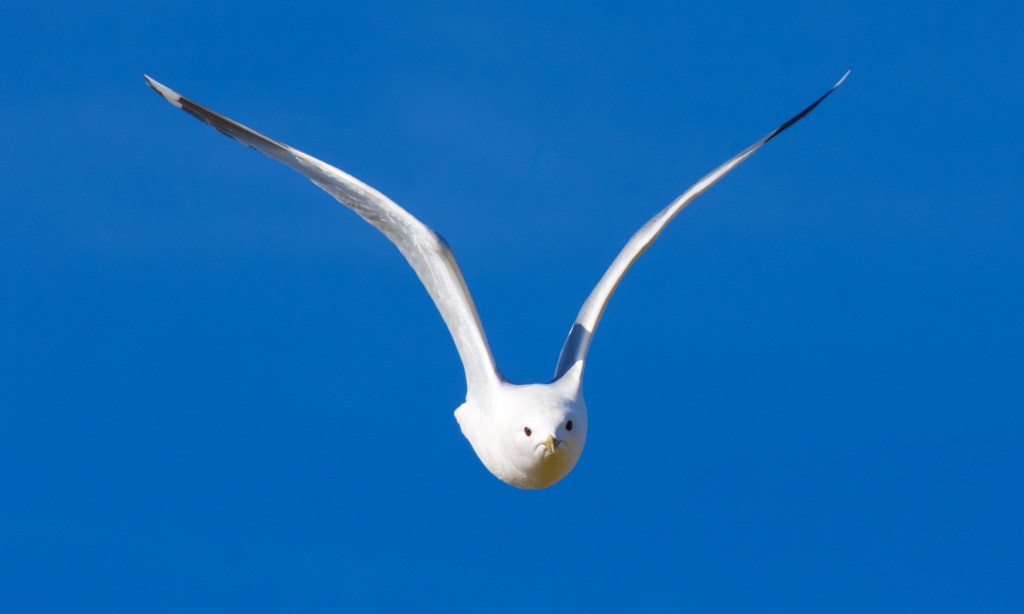
In the wider landscape Common gulls have returned. Named for the habitat they prefer, they nest in loose colonies on areas of rough pasture and moor. There’s a colony just along the way, perhaps fifty or sixty pairs scattered over an area of wind cropped heather. They are close to the road and as some birds sit eggs others keep guard, as you walk past the nearest of the guards will rise up and scold you, the bravest setting their wings to dive bomb your head, veering off at the last moment and seeing you on your way.


How lovely you got to see a minke mother and calf! We have them in BC waters too, but I’ve never been lucky enough to spot one – only seen orca, grey and humpback.
We currently have a baby orca (‘kʷiisaḥiʔis’ – ‘Brave Little Hunter’) trapped in a shallow lagoon off Vancouver Island. Her mother died three weeks ago after grounding there while chasing a seal. So glad your minke pair went back out to sea.
LikeLike
Morning Penny, Orcas are a sore point, we’ve had them in the bay at least three times in recent years, once while we were over on mainland doing the fortnightly shop, once while we were at the other end of the island and the last time on new year’s eve day, we were here, but in the back garden and not the front so missed them again, one day….
We were pleased to see the Minke and her calf turn, if the tide is receding in places it gets shallow here very quickly. I saw the baby Orca on the news, fingers crossed that he or she finds a route to safety.
LikeLike
How lovely to get a siting of the whales, even fleeting, and glad they made it back to deep water. Kong, long ago before Covid, I used to on nthe ferry across the Bay of Biscay to Bilbao. We used to get good sitings of whales, dolphins, flying fish and birds, the last often hitched a lift on the ferry. Wagtails here all year, I guess yours are migrants from distant lands. Went to my local bluebell wood this week, a lovely signifier of Spring. Guess you don’t have bluebells, unless you’re busy planting them under your trees.
LikeLiked by 2 people
Hello Margot, there are native bluebells in Orkney but I think probably introduced, when our young trees have built up a good layer of leaf litter we’d like to try them here. I think the wagtails leave us in winter and move further South, we’re also seeing Yellow and grey wagtails at the moment. I like the idea of them hitching a ride on the ferry.
LikeLike