
November, in Orkney, has been a weird month. What you expect at this time of year is gales aplenty, and although we’ve had the odd breezy day, the winds, since storm Boelo blew through, have been pretty much absent. Saying that, when we went over to town for the fortnightly supermarket shop we timed it badly, booking the ferry for the only day since Boelo that gave gale force winds. We left in a blue car and came home in one with windows and paintwork misted white with a thin emulsion of salt spray, on a wild day, if you’re anywhere near the bow, a salt water car wash is an unwanted perk of the crossing. With that day aside though the weather, so far, has been much kinder than expected.
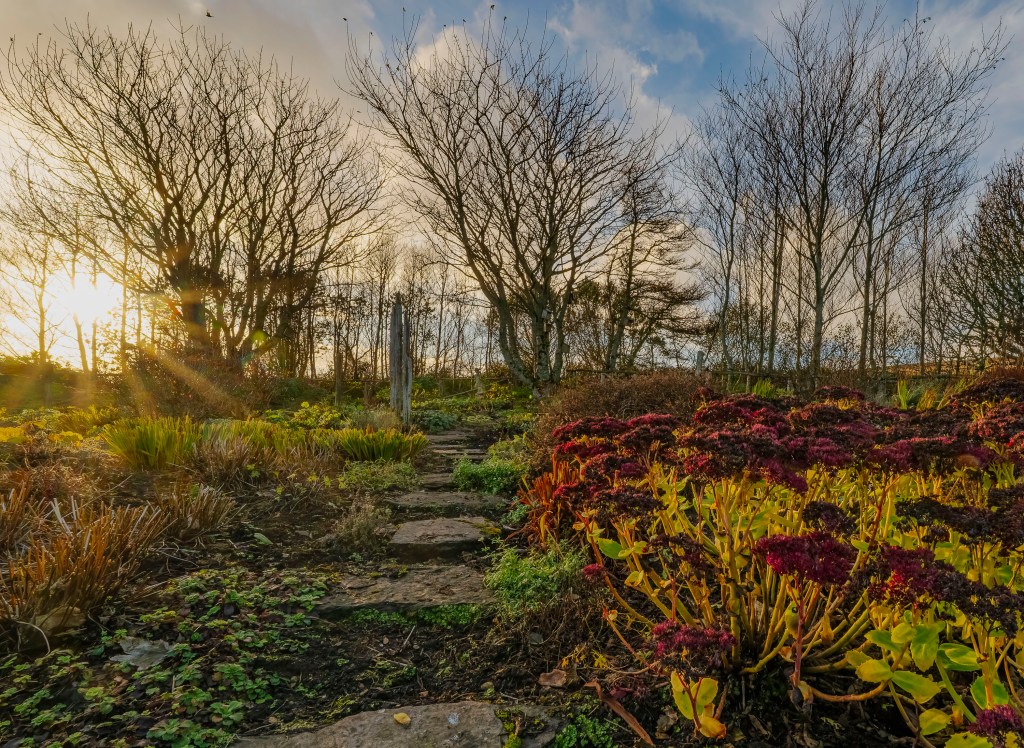
In the garden Jacqui has just about finished putting the borders to bed, at this time of year anything still standing is cut back hard, saved from being torn and shredded by the winter winds. Everything is composted, layered with crisp brown leaves that have been cast from the now bare trees. Sedums, on the right in the photo below, escape the secateurs, their once bright flower heads have faded and are starting to blacken but their stems are sturdy and surprisingly wind hardy. One of the very few perennials that can be guaranteed to stand through our Orkney winter. As the garden is cleared plans are made for Spring, plants are split and moved and new bulbs are planted, this years pick and mix includes narcissi stint, erythronium white beauty, allium aflatunense and completely new for here, Fritillaria persica.
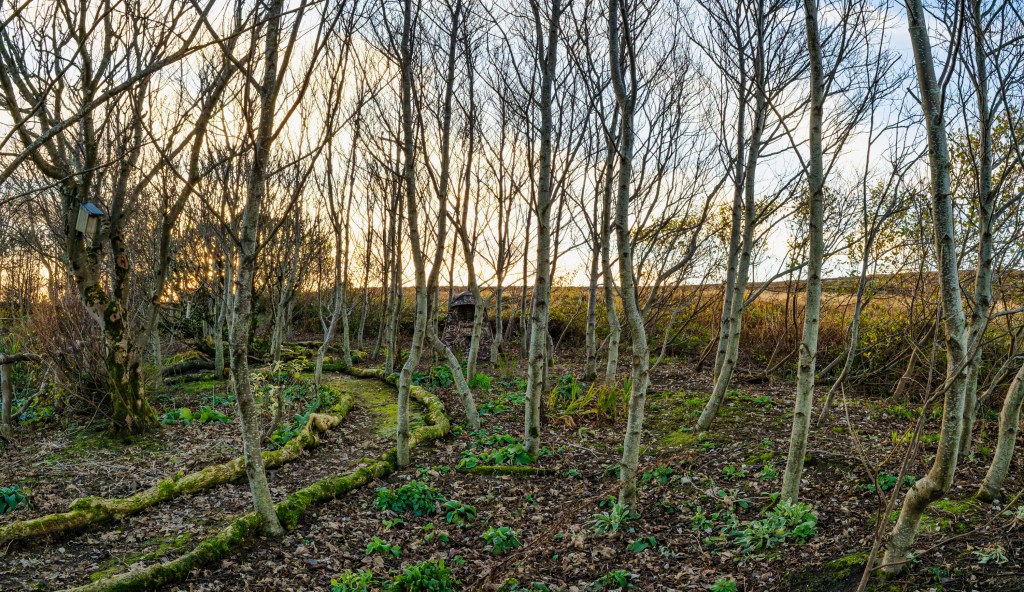
While J worked in the garden I worked in the shelter belt, planting a mix of foxgloves and campions and at the same time, lifting bird sown seedlings for potting on, most numerous of the seedlings were Fuchsia magellanica, potted up by the dozen, enough to make a hedge. Most unusual were three tiny hollies – there are none in the garden. Most prized were a dozen rowans, once big enough they’re destined for a life up on the moor, joining older siblings who were potted on in previous years. Eight years on from planting, the thin barrier of Alder trees that allows us to have a garden here, is really starting to feel like a stand alone habitat. (In the photo below, the camouflaged Dalek, centre frame, is a bird hide 🙂)
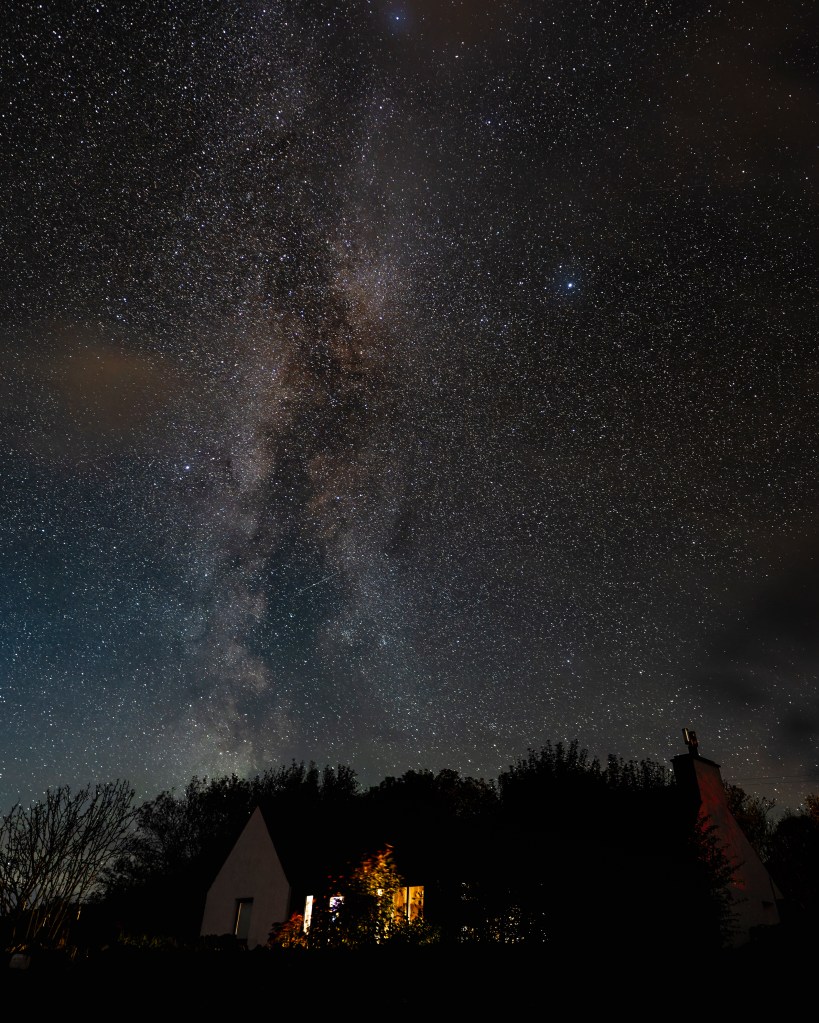
Whether wild or calm the one thing that November brings with certainty is shorter days, today the Sun rose at twenty past eight and set at half past three, in mid December Sol won’t show his face here until just after nine. The silver lining is that we can see the night sky again, absent for much of the year not due to light pollution but to the “simmer dim”, for much of the summer it never truly gets dark here. The Milky Way rises to the west, conveniently over the house, and with a tripod set up at the edge of the garden it takes a mere few seconds for the camera capture in detail what it takes your night vision, or mine at least, 20 minutes or so to get accustomed to, a velvet sky shot through with uncountable pinpricks of light.
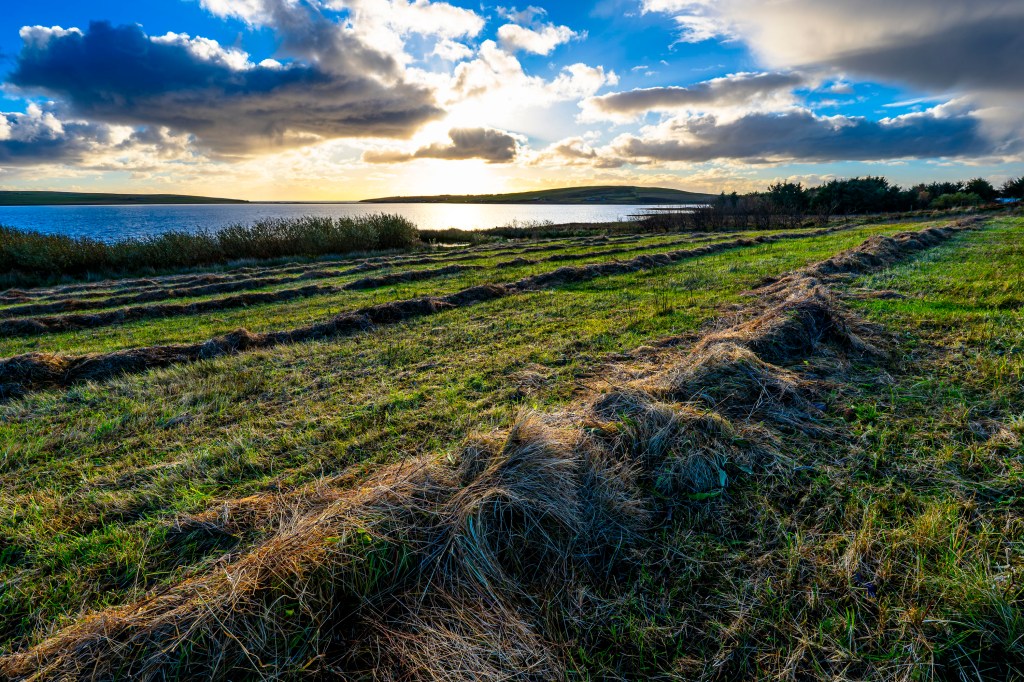
An on-off task has been the mowing of the meadow, it’s something that I always look forward to but it also comes with nagging trepidation. We mow the meadow with a decades old walk behind power scythe, a Bank commander. A new one is Ow Much!! and ours is pretty much held together with string and a prayer. Trepidation number one is will the single cylinder diesel engine cough into life, it did but only at the point where I had become convinced that one more pull on the starting rope would see my shoulder permanently dislocated from my body. Trepidation number two is will something essential break, this is inevitable and sure enough it did, with half the field mown the cutter bar threw a strop. With no parts available a bodge-up got it working again but later in the day, with a few metres left to do, and not wanting to be left out, the mount that holds cutter bar to engine also made its break for freedom. The importer cheerfully tells me that for the foreseeable future, due to “global supply chains”, that that part isn’t available either. The task that doesn’t come with trepidation is the raking and clearing, first make your winrows and then, after leaving the grasses to dry for a while, spend a couple of days clearing the field, dumping the hay in wildlife friendly heaps close to the shore – a home for mice, bugs and fungi. On a bright still day, with no sound but the calls of Curlews and Geese, it’s a thoroughly enjoyable job.
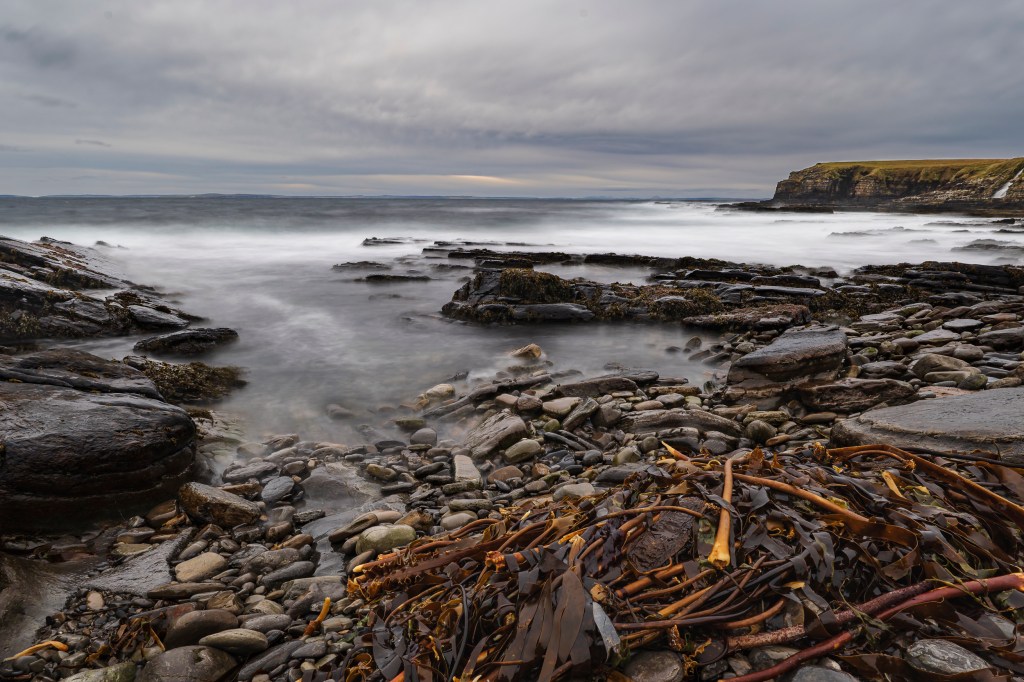
What with meadow mowing and shelter belt planting, along with a couple of weeks commitment to a friends self build, I haven’t really been out in the landscape this month, managing a single grey but beautiful day on the shores of South walls. Although I didn’t disturb them it’s the time of year here when Grey seals start to pup, sausage-fat mothers hauling out to give birth in the many geo’s that make up the islands crinkle-cut coast. With the meadow and garden put to bed and friends back “sooth” until late January, getting out to see the pups, from a distance, is high on the to do list.
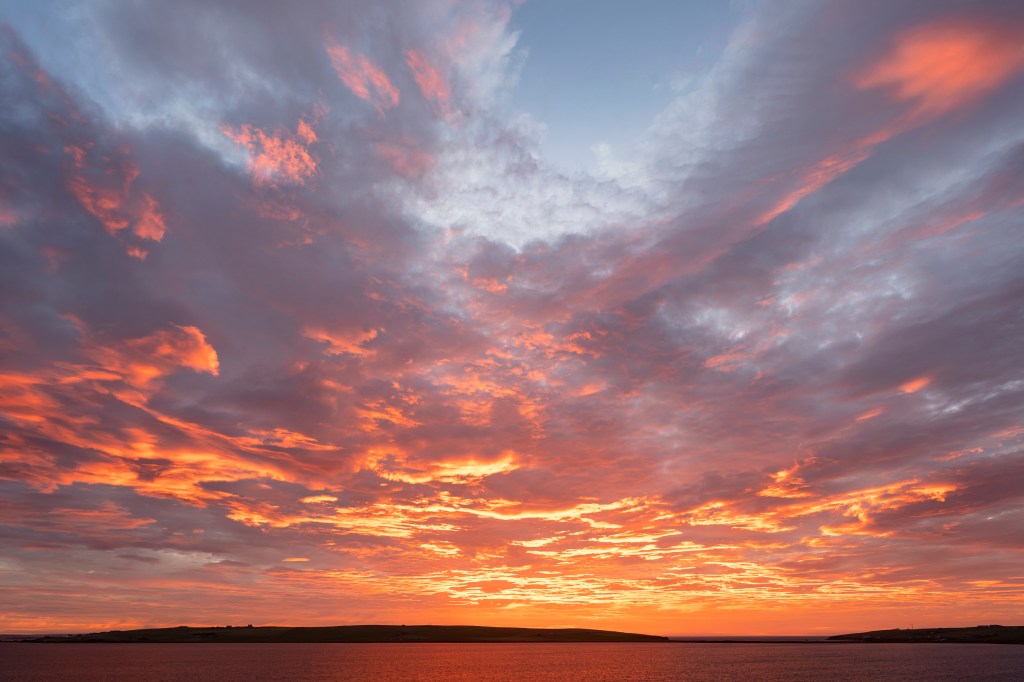
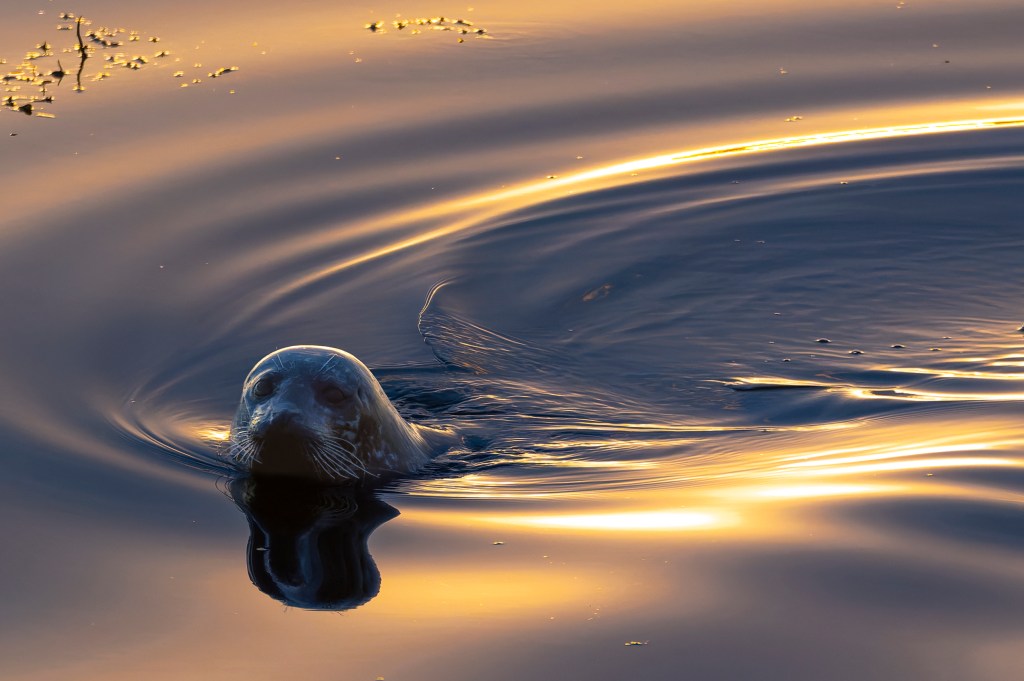
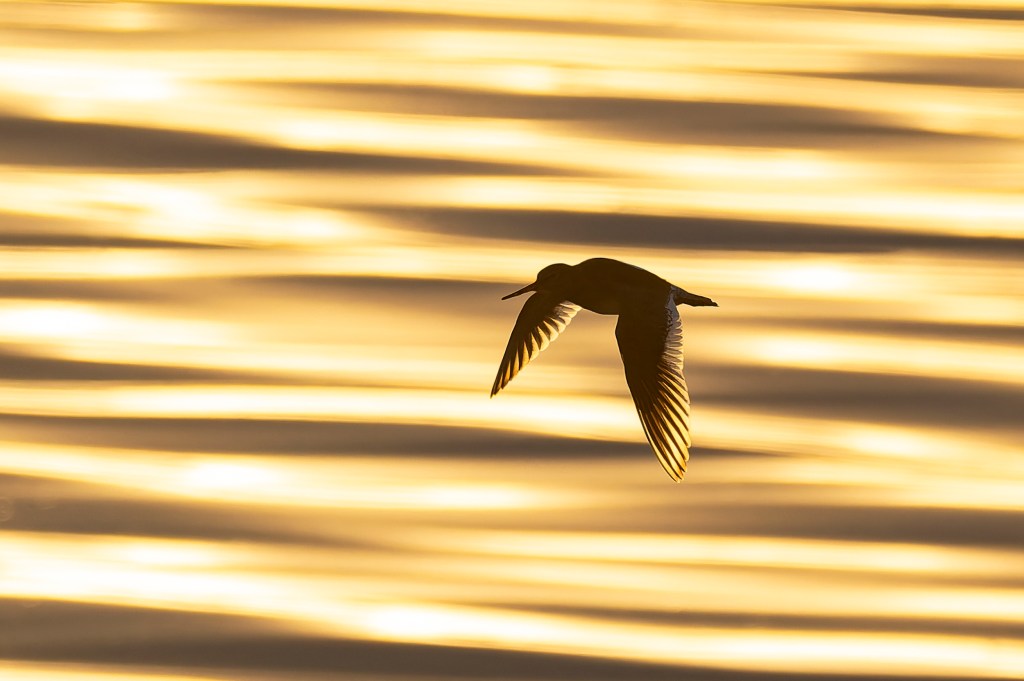
What I always do, on mornings that dawn clear and flat calm, is take time to walk down to the shore below the meadow. It’s a magical hour. As the sun rises the light is in flux, the colour of the bay changing by the minute, from smooth ink blue to furnace yellow. Harbour seals break the bond between water and air and shorebirds come and go, in the distance you’ll hear the low thrum of the lifeline inter-island ferry setting off for its first run of the day – the appropriately named “Red eye” service.


Absolutely fascinating, Gary. Love the Milky Way photo. No chance living in a city. Don’t think I could get used to your daylight hours (or weather) at my time of life. Love reading about it, though.
Martin Tayler
Martin’s bird & nature blog: http://martinsbirdblog.com
LikeLike