
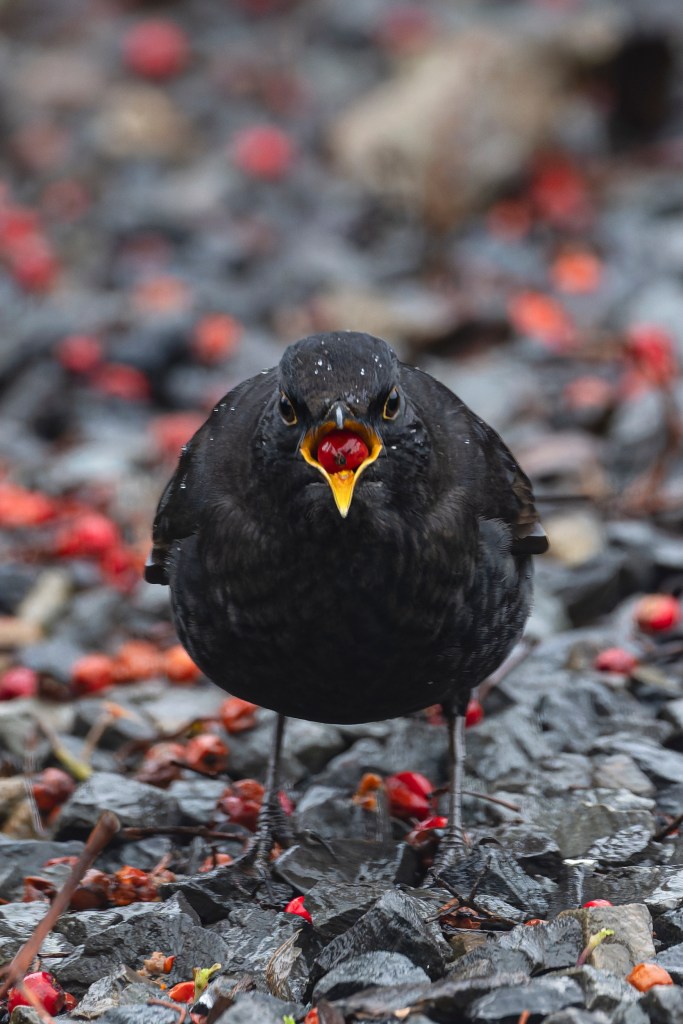
In last weeks blog I mentioned how November in Orkney had been unusually calm and settled, this was of course the kiss of death. Since then we’ve had gales pretty much every day, with more to come in the week ahead. With wild weather and short days thoughts at this time of year naturally turn to Spring, so with that in mind this weeks SOS is seed heads and berries, bringers of new life.
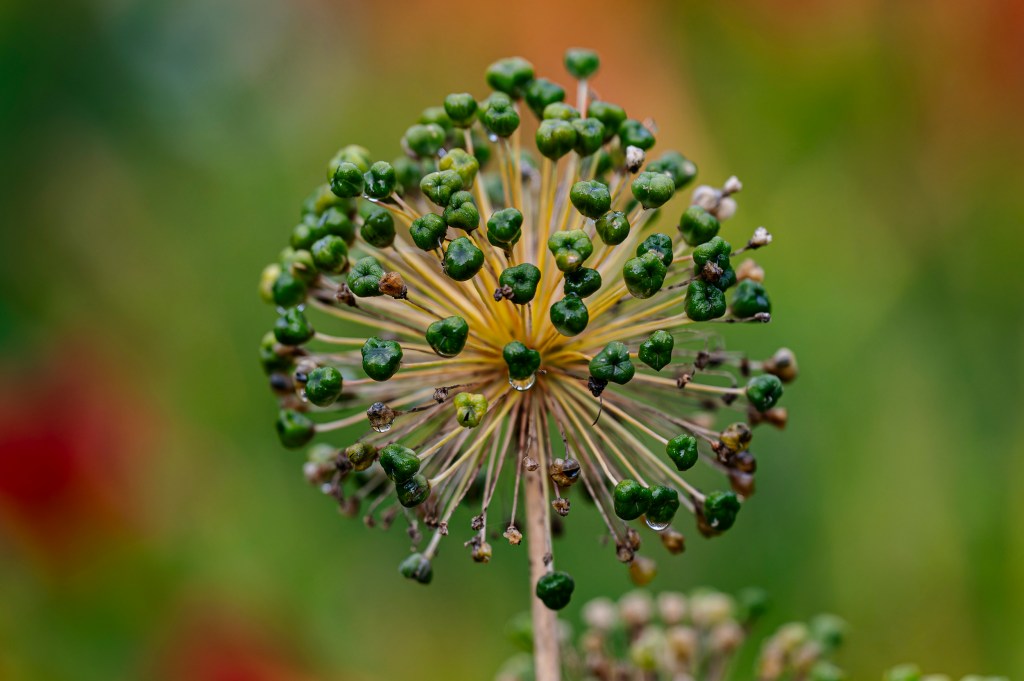
First up is an Allium, the photo is from earlier in the year – any starburst seed heads that didn’t end up hanging from a shed rafter to dry are now long since scattered by the elements. They’re a bulb that does well here, gardening lore says they shouldn’t, they’re not fans of wet feet, but so far so good. Jacqui adds a few more every year, dotting them here and there as she clears and cuts back the garden. The success of a plant that perhaps shouldn’t thrive eggs you on to try others and, as mentioned last week, as more alliums were planted the bulbs of a tall fritillary also went in, Fritillaria persica, it’s one of the few fritillaries that prefers drier soils so they got a leg up, a handful of gravel beneath each bulb to help with drainage. Time will tell if they’re a good fit for here.
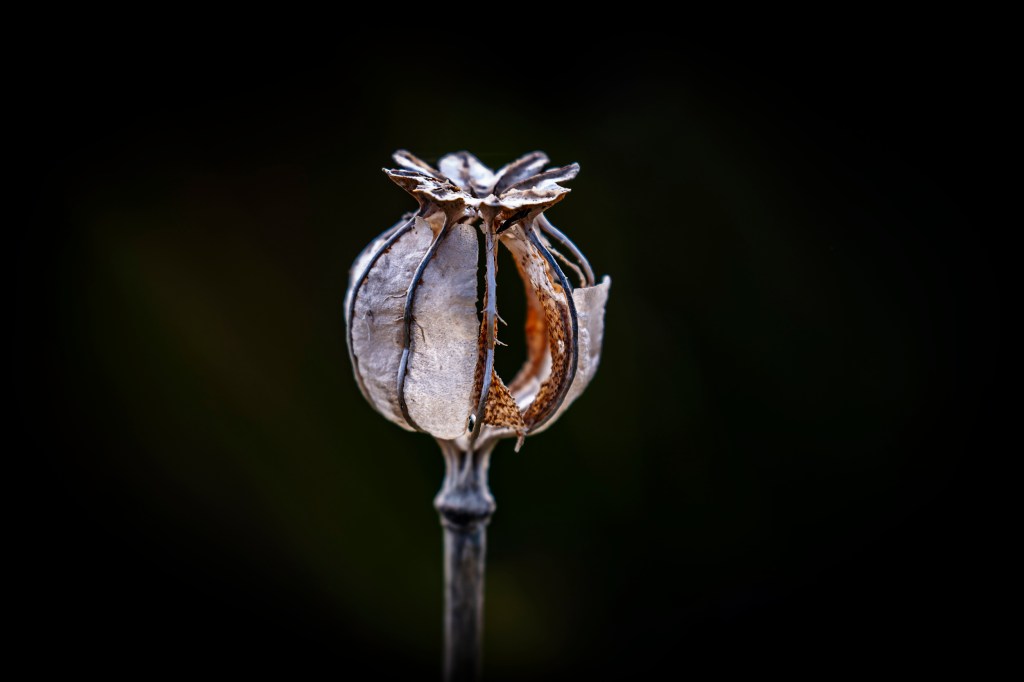
Next comes a poppy, variety unknown. This one has already seen the worst of our weather. Ripe poppy seed is scattered in various ways, usually the plant does it for us but oftentimes we’ll collect it, storing the seed until Spring in up-cycled junk mail envelopes, option three is to add stems and seed heads to the compost bin. Our bins get turned just the once and they never generate enough heat to kill seeds, providing you want it back in the garden, anything in seed that goes in the bin does so in the sure knowledge that in Spring, when the garden is given a dressing of compost, it is being resown. A method that works well with Honesty.
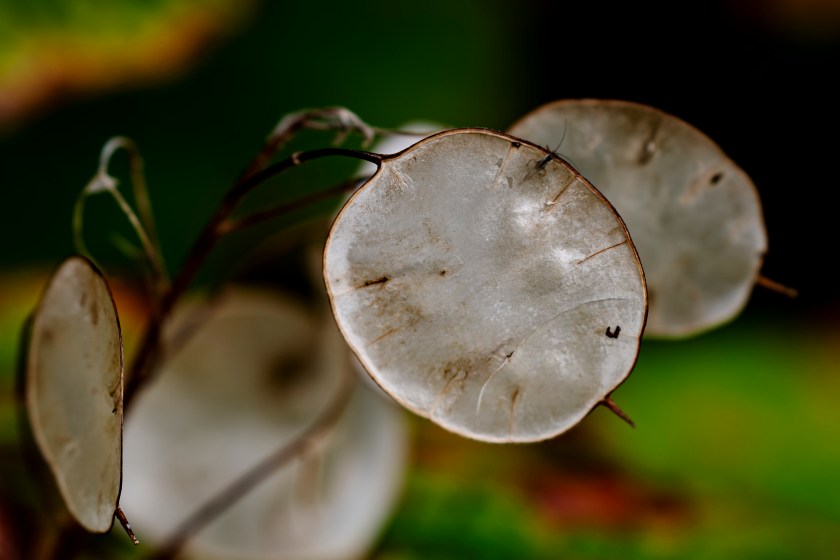
Third is the above mentioned Honesty, lunaria annua, the moonwort. As mentioned above once composted these pop up all over, they’re also prolific self seeders and will thrive pretty much anywhere with the exception of deep shade, where they’ll grow but will struggle to flower. The seed heads have various names- silver dollars, silver pennies, satin pods, my favourite is “moon pennies”, the giver of lunaria in the plants latin name.
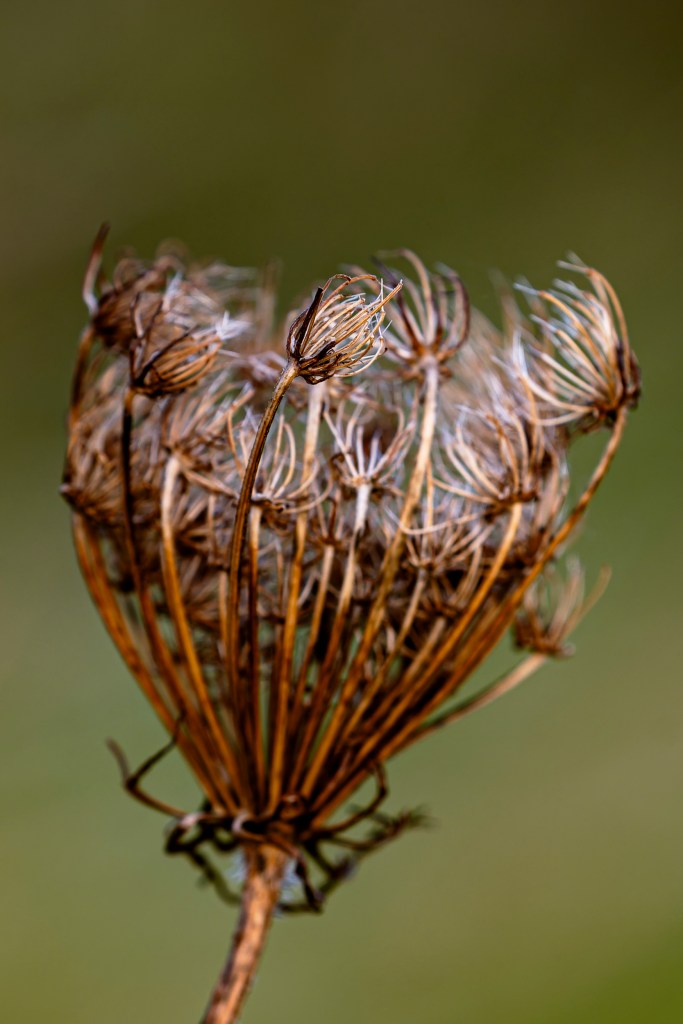
Fourth is Wild carrot. I mentioned in a blog a while ago that after sowing them as part of a meadow mix they carpeted an area of ground with a froth of creamy flower heads. It was a one off show and since then they’ve disappeared from the meadow and have gone nomadic, popping up wherever they choose. An alternative name is Queen Anne’s lace and I’m pretty sure that if plant sellers advertised them as such everyone would be planting them in their garden, it’s a great late summer biennial.
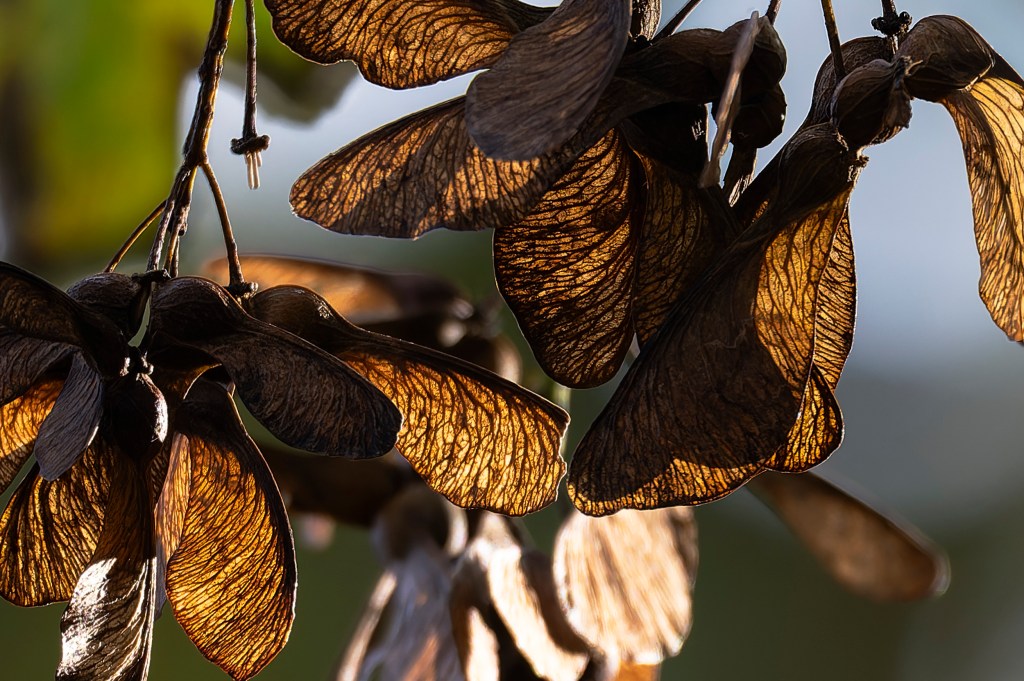
Next are the seeds of a tree, the Sycamore. We have two very old (by Orkney standards) Sycamore trees growing here, at some point in the past both have been coppiced, probably by man but potentially in very early life by an escapee sheep. These two, along with an old Rowan, are the trees we couldn’t bear to lose. As a kid the seed keys were helicopters, we’d pick them up and throw them in the air just to watch them spin down again. At home, on bare soil or on gravel paths, the cast seeds can grow almost as thick as grass, most fall under the hoe but some are potted on. The shelter belt here is quick growing Red alder and its one downfall is a short lifespan, 80 years or so. With that in mind a few sycamores have been left to grow amongst them and others have been planted on the western edge of the garden, we won’t see them mature but eventually, for someone else, they’ll be part of shelter belt Mark II.
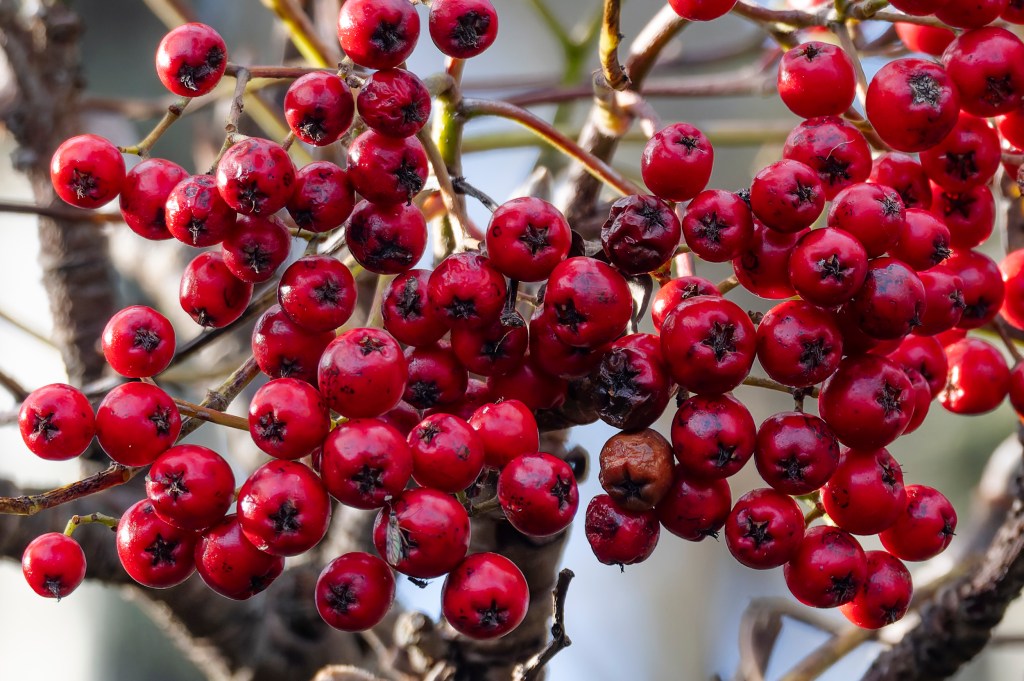
Last but not least comes the Rowan, as with the two sycamores mentioned above our old Rowan is a tree we would hate to lose. It’s gnarled and squat, has canker and at some point in the past, has been blown over, the first eight feet of its trunk lie horizontal with the ground. The roots threw up new shoots and the branches on the trunk simply turned ninety degrees back to the light, a real survivor. Every year, without fail, on hands and knees we search the ground beneath it, looking for its seedlings, potting them on for an eventual new life out on the moor. Birds have long since stripped it of berries, the photograph below is from a few weeks ago, taken just before Scandinavian and Icelandic Thrushes and Blackbirds arrived and ate the tree bare in a matter of days.
We don’t collect all of its seedlings, a few are deliberately left to grow on – someone, perhaps not yet born, will one day in the future have a home here with a shelter belt not of Red alder but of Sycamore and Rowan.
For more Six on Saturdays, from garden worldwide, pop over to Cornwall and Jims blog.


Lovely blog, Gary. Our Rowan was stripped in a week by blackbirds alone. They wait for the precise moment and gorge on them.
Martin Tayler Martin’s bird and nature blog: http://martinsbirdblog.com/
LikeLike
Such stunning photographs. I’m so happy that I’ve planted all four of those flowers, so I should have lots of stunning seedheads next year. Your compost sowing method is interesting – I’m sure ours will be the same as it doesn’t heat up very much.
LikeLike