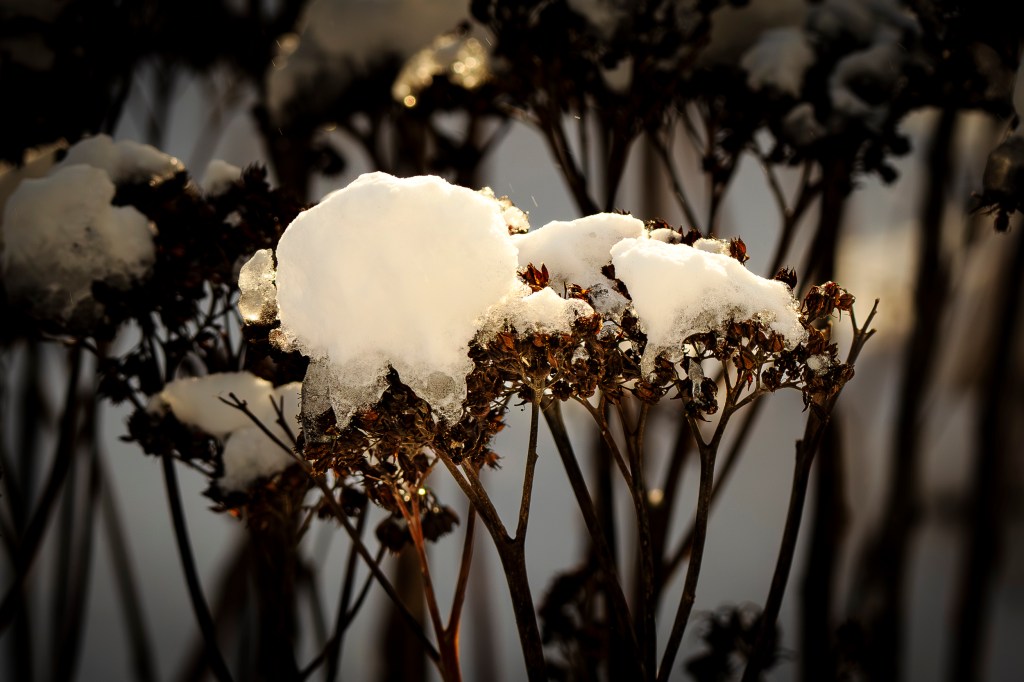
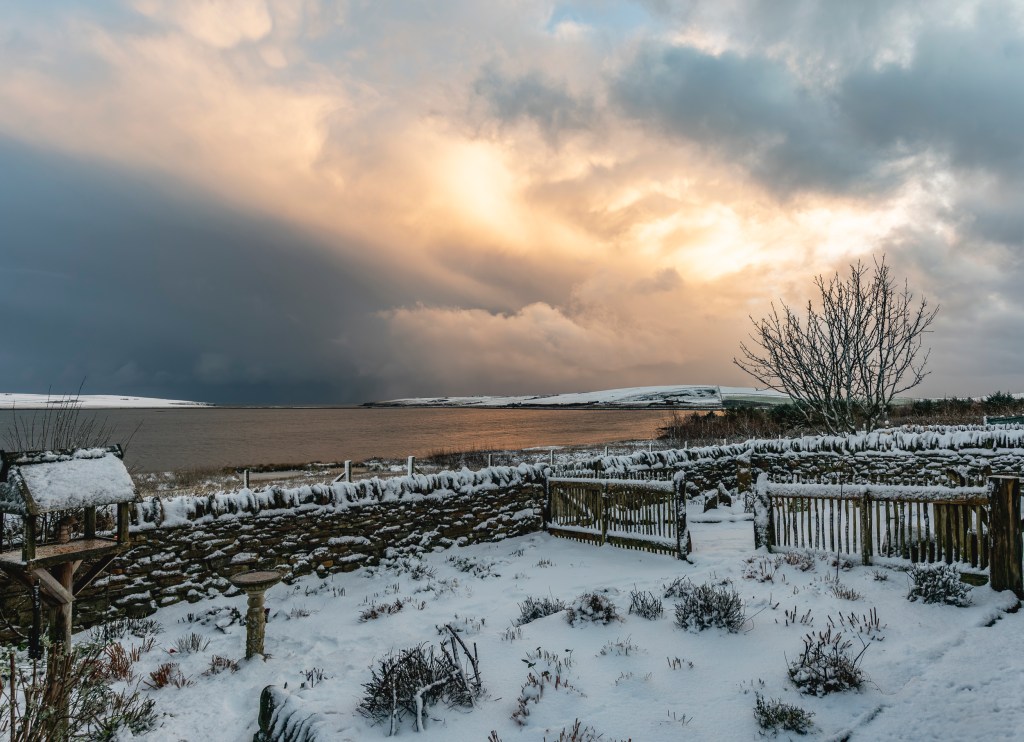
The first days of the New Year have brought snow and bitter Northerlies. The winds aren’t out of the ordinary, but the snow is unusual for Orkney. At home, tucked low in the lee of the hill, we’ve got off lightly, six or eight inches so far, enough to top your boots and hang icy clinkers from the bottoms of your jeans.
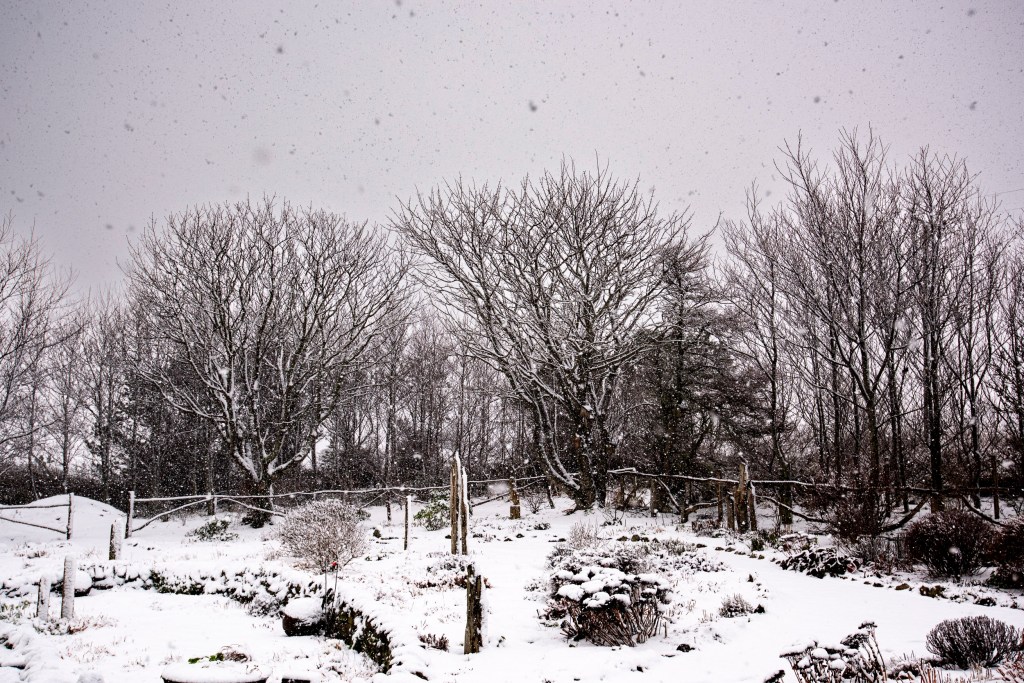
Elsewhere, in less sheltered spots, the drifts were stone-dyke high. Impossible to tell where fields ended and roads began. From where I’m sitting I can see, a mile or so across the bay, a farmer laboriously clearing snow from a single track road on the linked island of South Walls. He’s been at it since dawn and will continue all day, forward a few feet, tip the loader bucket, forward a few more feet, rinse and repeat. The roads are being cleared so that the islands doctor and nurse can make home visits, the very sensible advice to everyone else is to stay put.
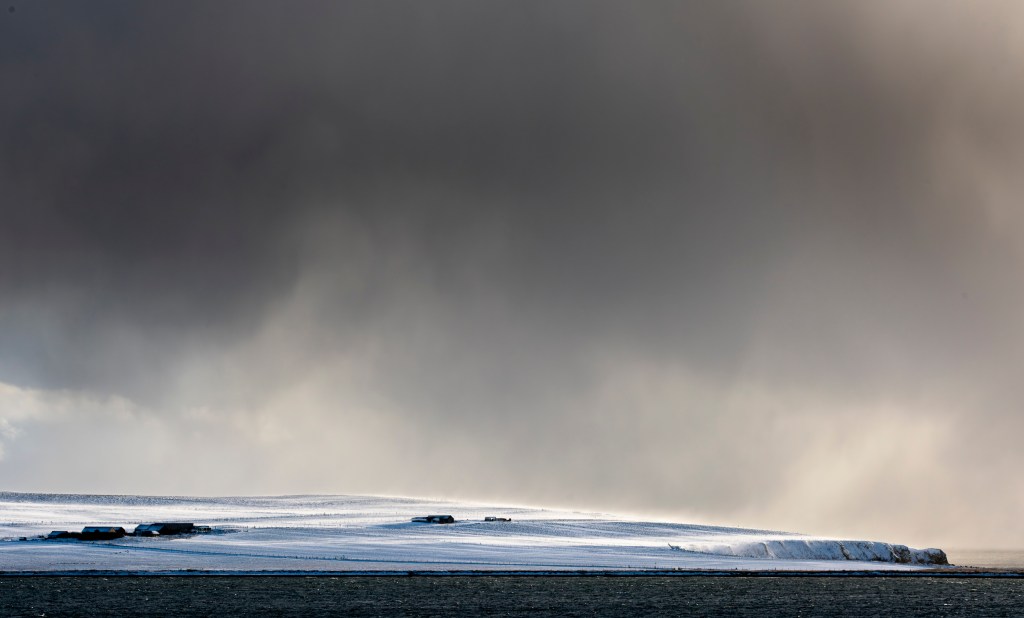
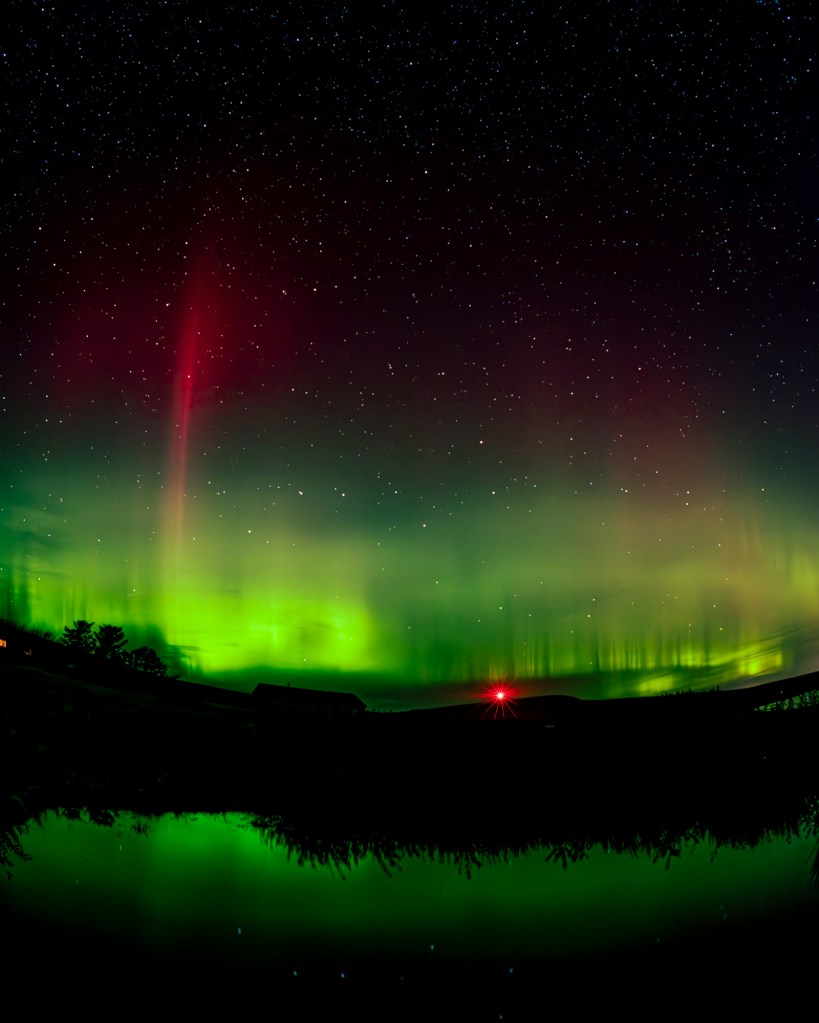
The days have been bitter but beautiful, the skies grey and brooding one minute and full of fiery life the next.
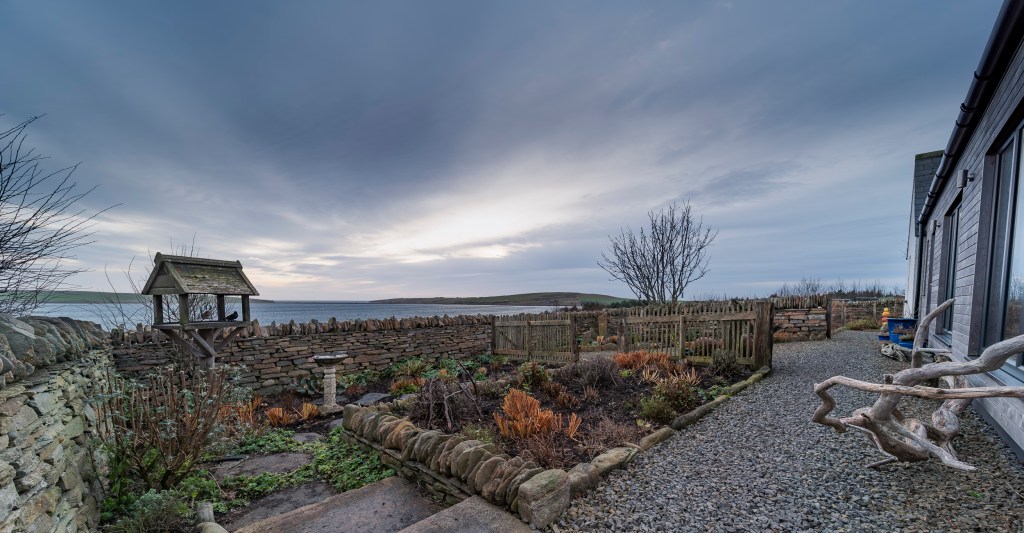
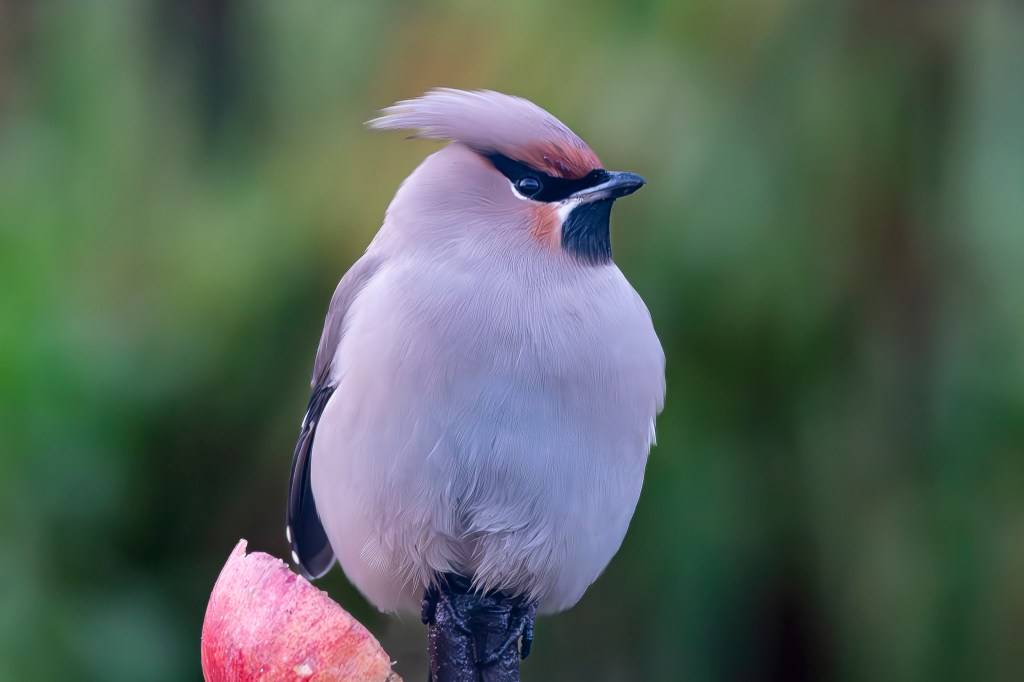
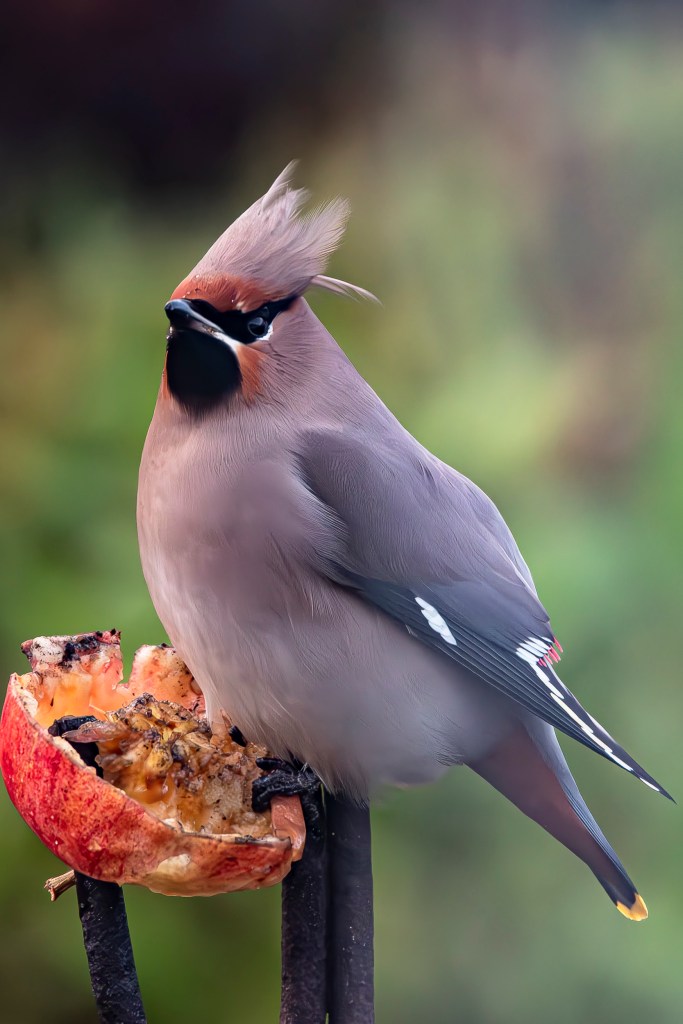
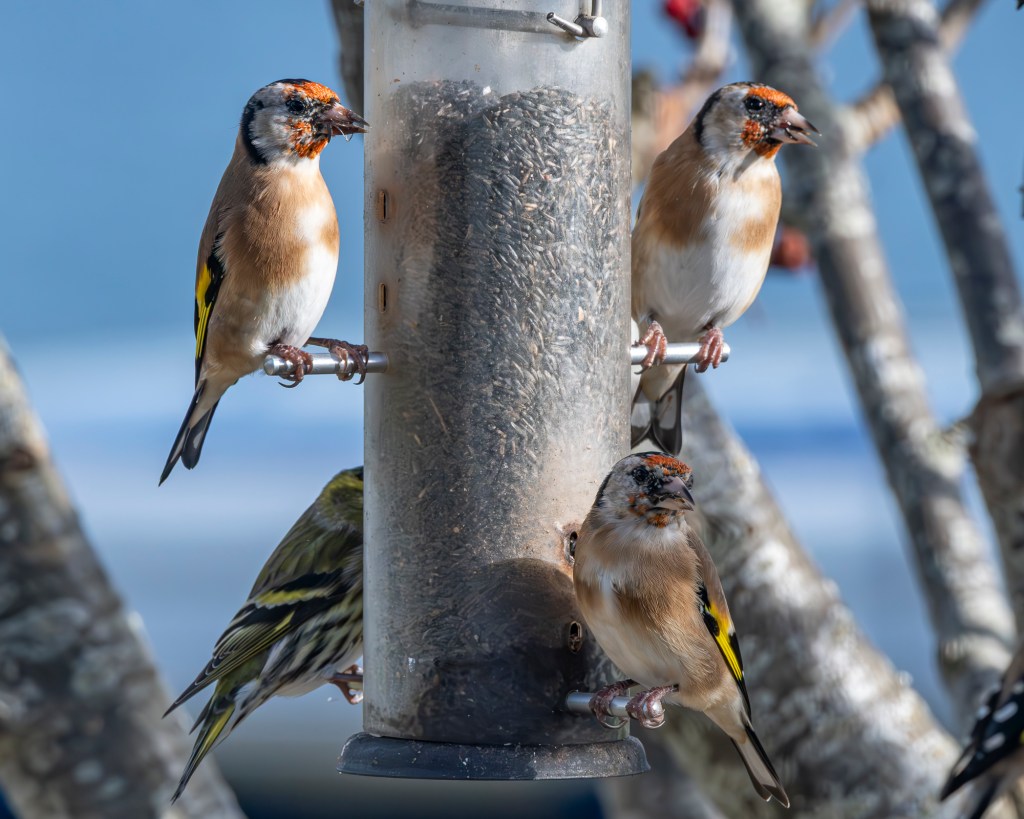
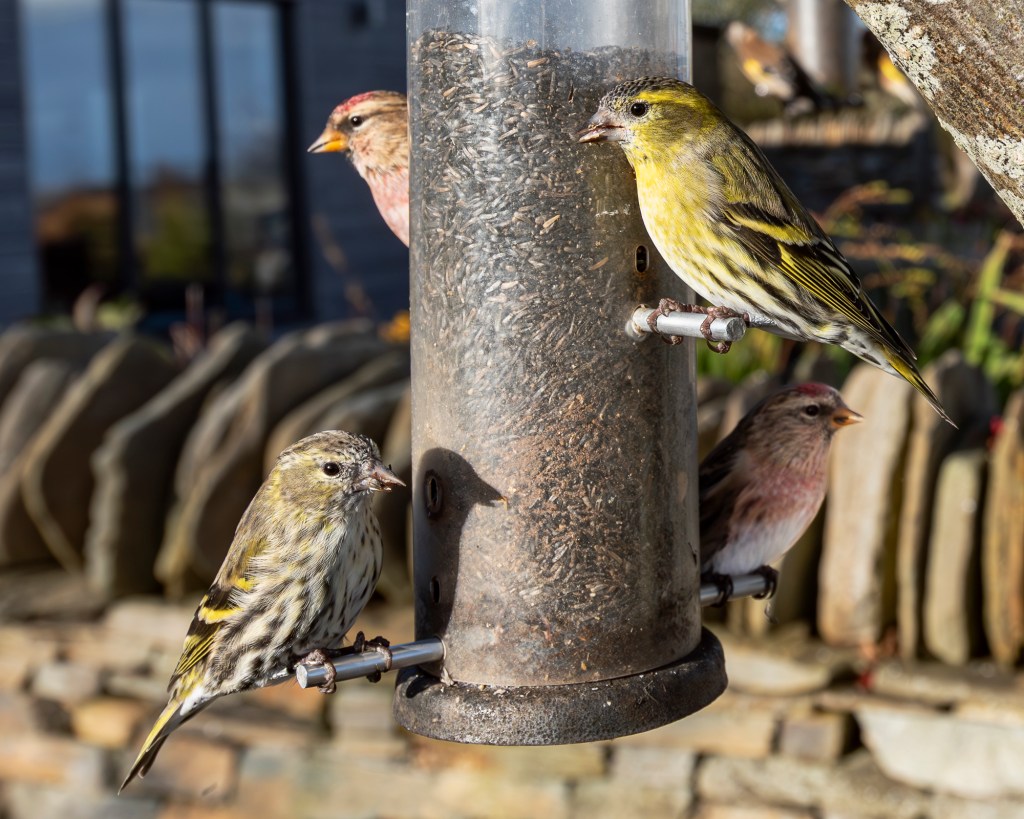
There’s not much to be done outdoors, top up the bird feeders, make sure half apples are out and that birdbaths are ice free, after that come in and and read or catch up with a TV series, better still watch the birds on the feeders.
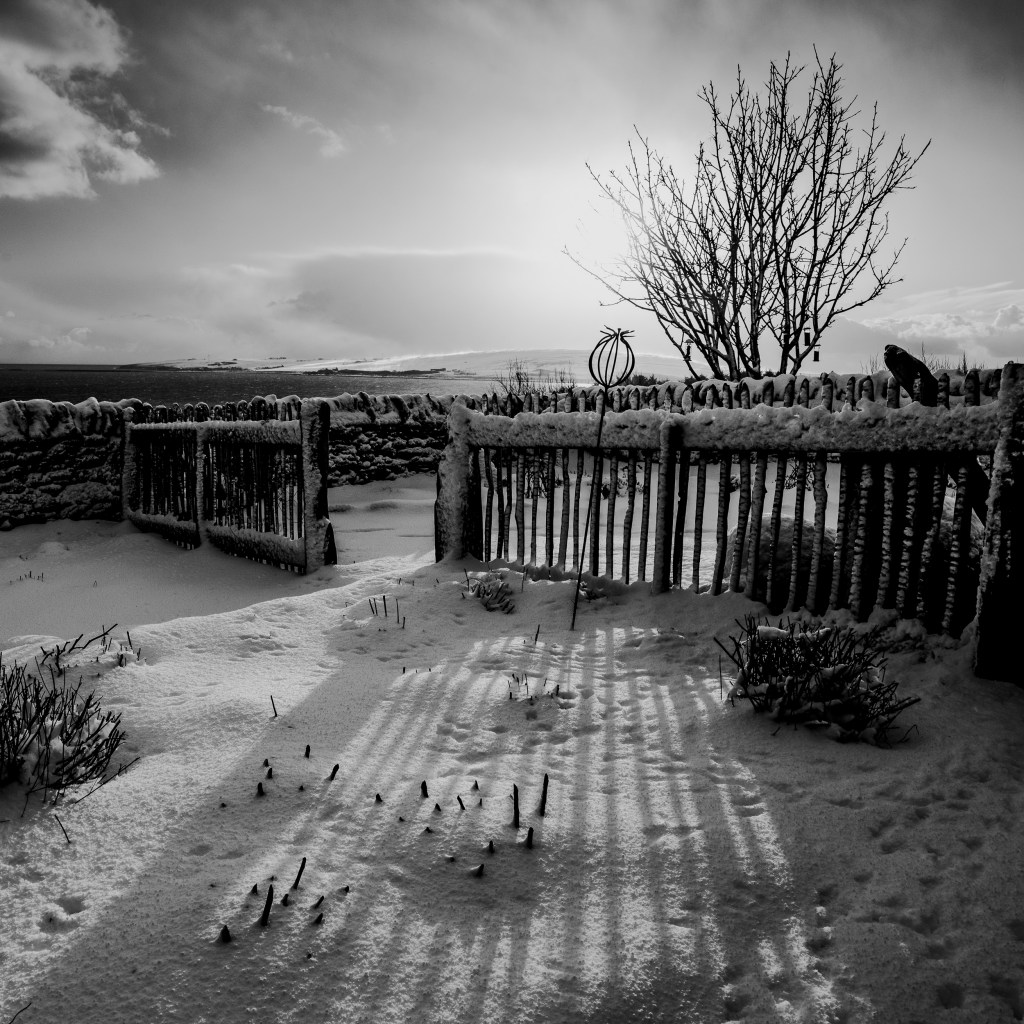
Unlike the snows of King Wenceslas, our snow isn’t deep and crisp and even, it’s marked not just with our boot prints but with the prints of blackbirds and sparrows and numerous others. Rarest of all were those of a Red grouse, a visitor from the hill seen briefly from the kitchen window, whose tracks led down from the moor and into a thicket of bramble and honeysuckle.
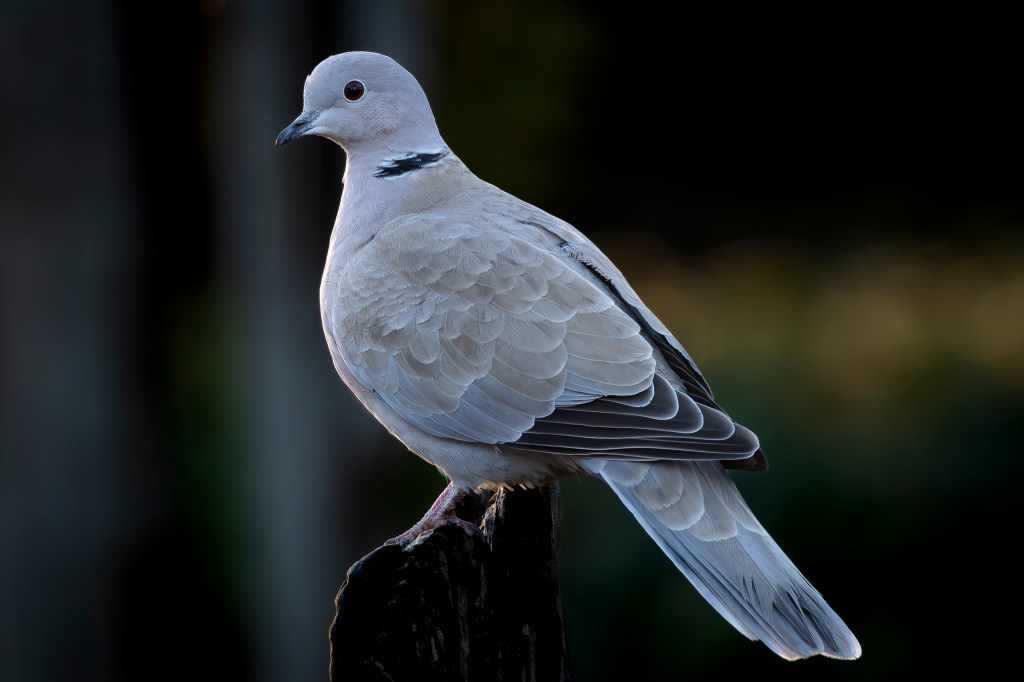
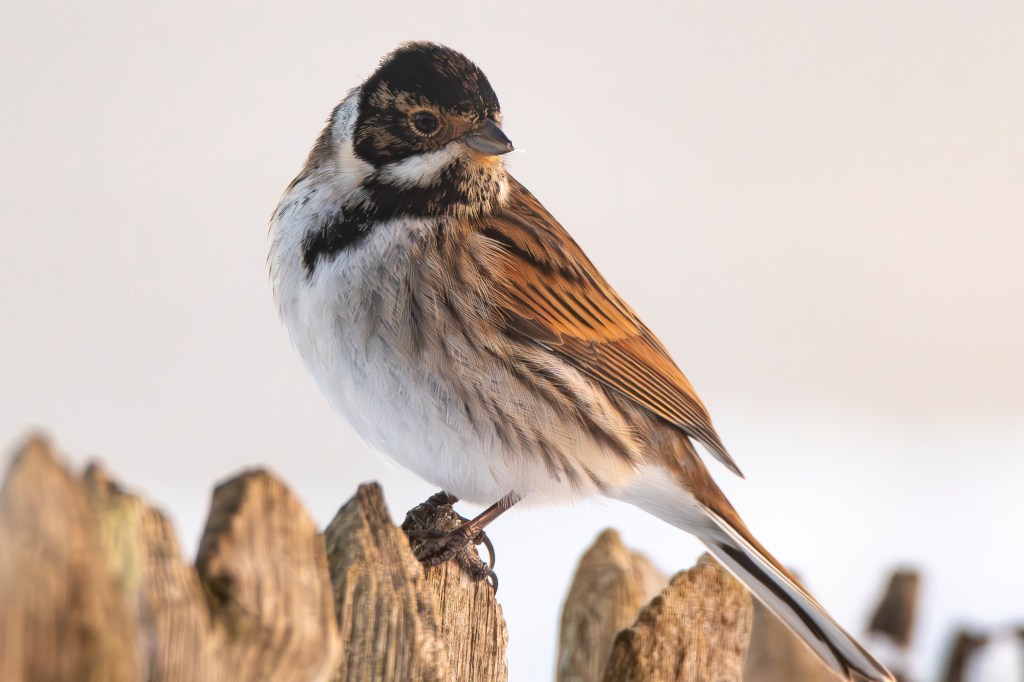
Along with the grouse other welcome visitors have included a couple of Song thrushes, a bird that arrives each Spring to weave beautiful mud lined nests, they’re not often seen here in Winter. Reed Buntings are also being seen in the garden, they’re common just a stones throw away, where they nest amongst new willow coppice and the briars of a deep boundary ditch that runs at the edge of the meadow, but rare in the garden, crossing the stone-dyke threshold on only the coldest of days.

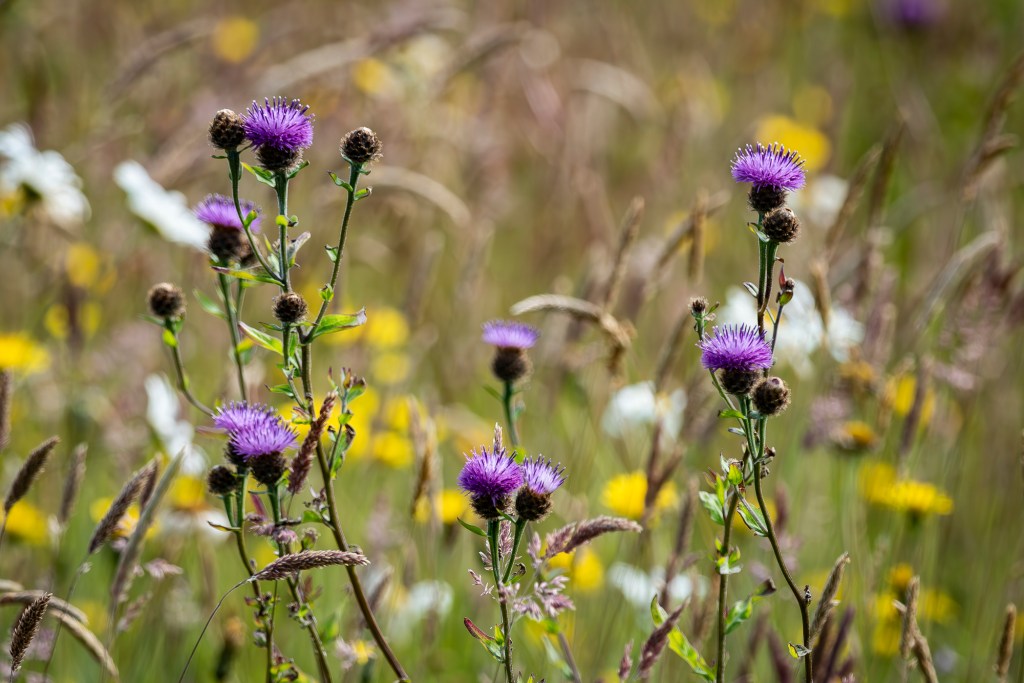
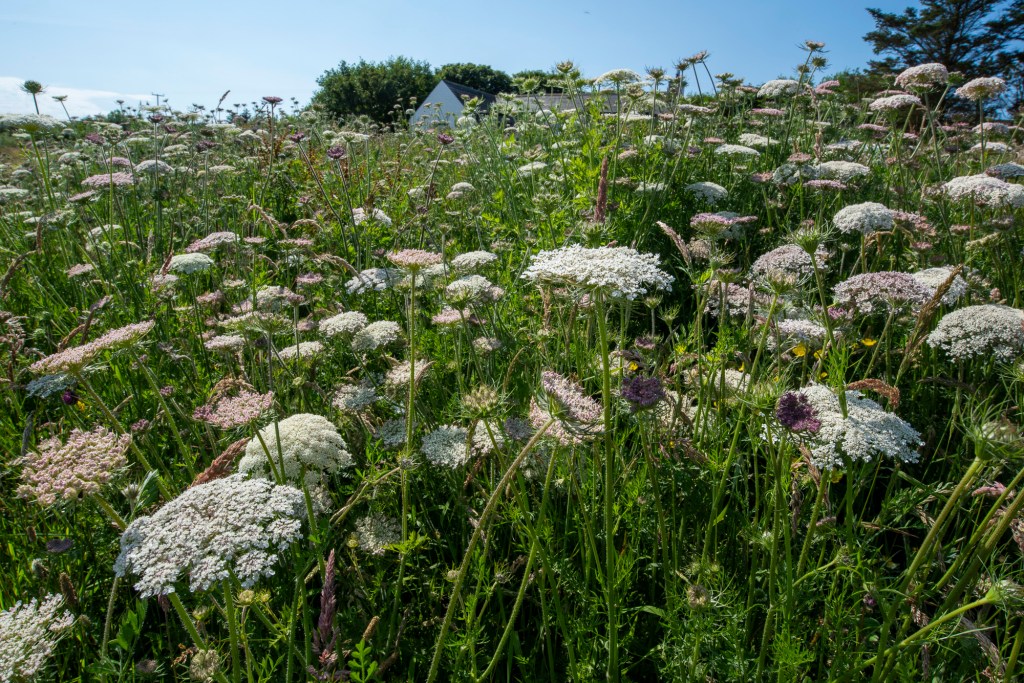
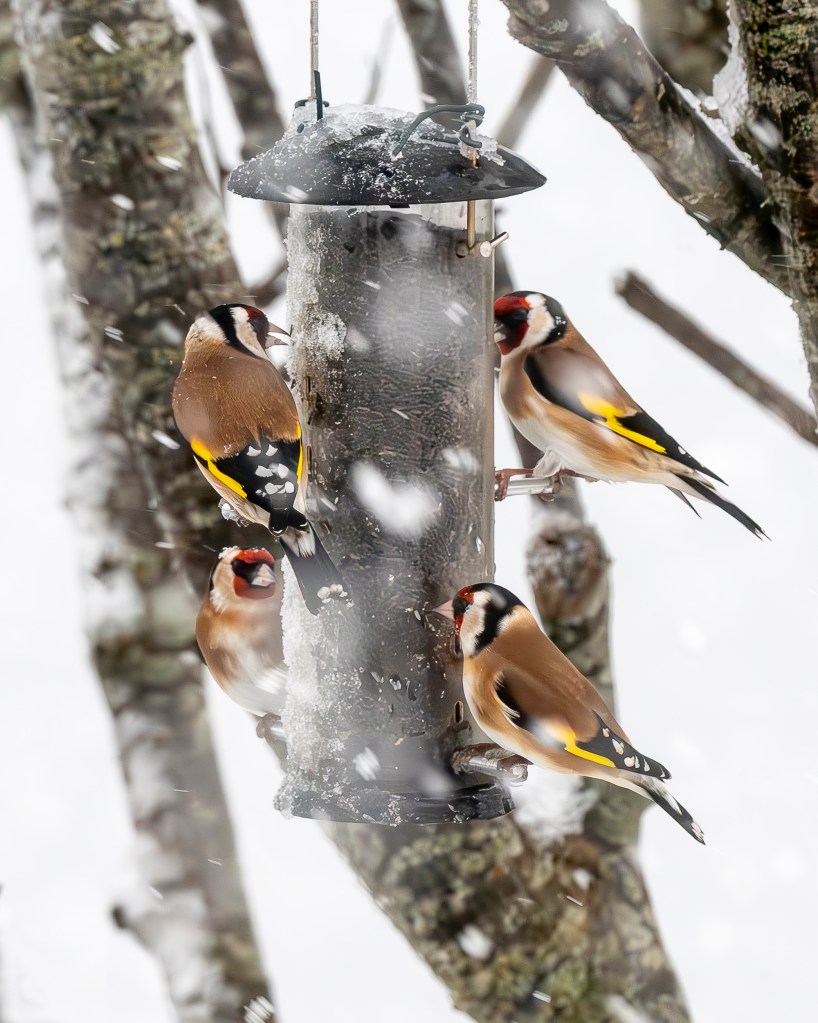
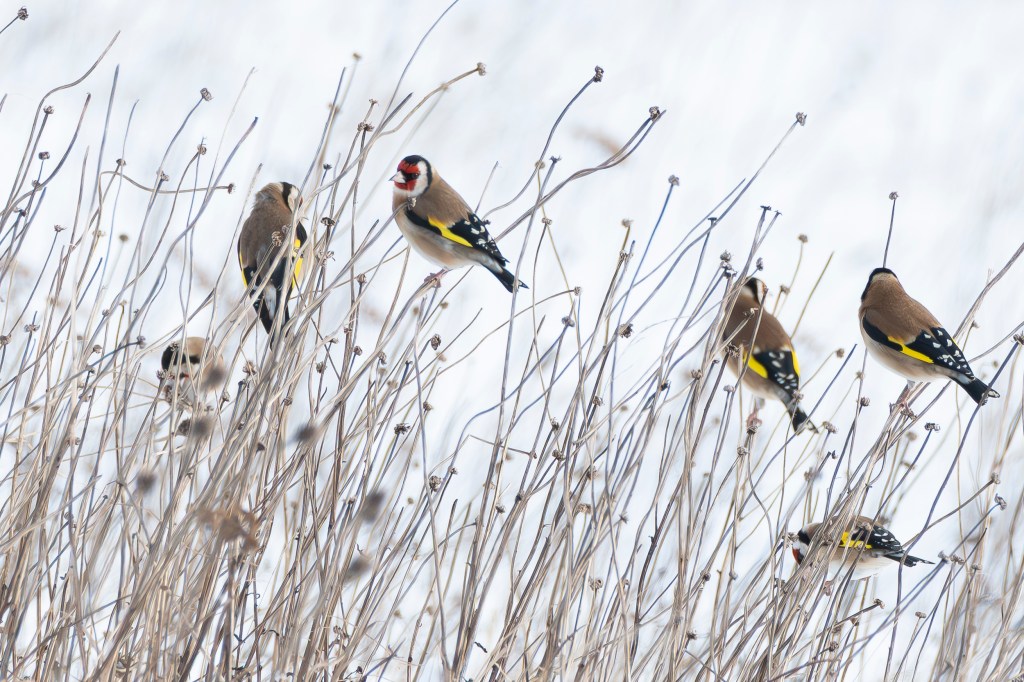
In the meadow itself we’re experimenting with cutting regimes. Up to now we’ve gone down the traditional route, mowing in late Autumn when the wildflowers have set seed. This year, spurred on by an article aimed at encouraging Twite, a small and threatened red list finch that is often called the upland Linnet, we’re leaving the mowing until Spring. The idea is to leave standing seed heads over the winter. So far I’ve seen just a handful of Twite but close cousin Goldfinches have got the memo, for the past few days, in addition to clustering on niger feeders in the garden, they’ve also been dancing from seed head to seed head, flashes of red & gold against bright white snow. Part two of now officially named Project Twite 🙂 will be the sowing of seed rich annuals on a triangle of ground left bare by the workings of an excavator, which was laying cable and water for a friends new build that sits along the way. We’re a little bit spoilt to have all this space but this is an ex crofting community, out here, if you were so inclined, it would actually be quite difficult to buy a wee house without land.
On Saturday we had the Wolf moon, rising to the NNE at around ten minutes to three in the afternoon. The master plan was to capture it rising over the snow covered island of Flotta, ideally with the islands wind turbine in the frame. Heavy snow showers obscuring the horizon soon put paid to that idea, but I caught it later on, floating in a pool of ink-black sky. Through the viewfinder the moon looked cold and frozen, at the time we had a wind chill in double figures, I knew just how it felt 🙂