April the 6th.

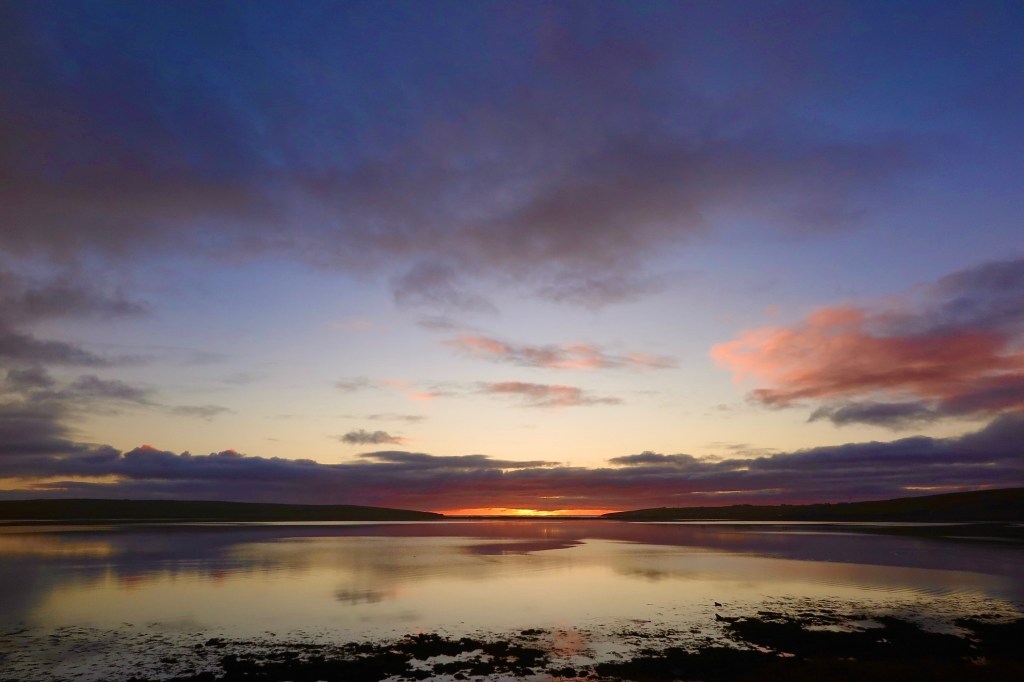
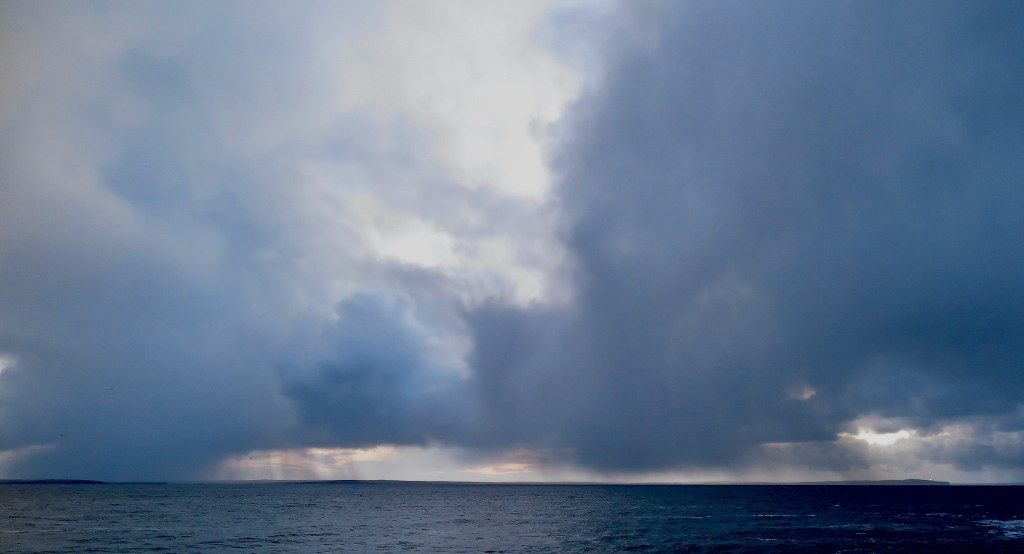
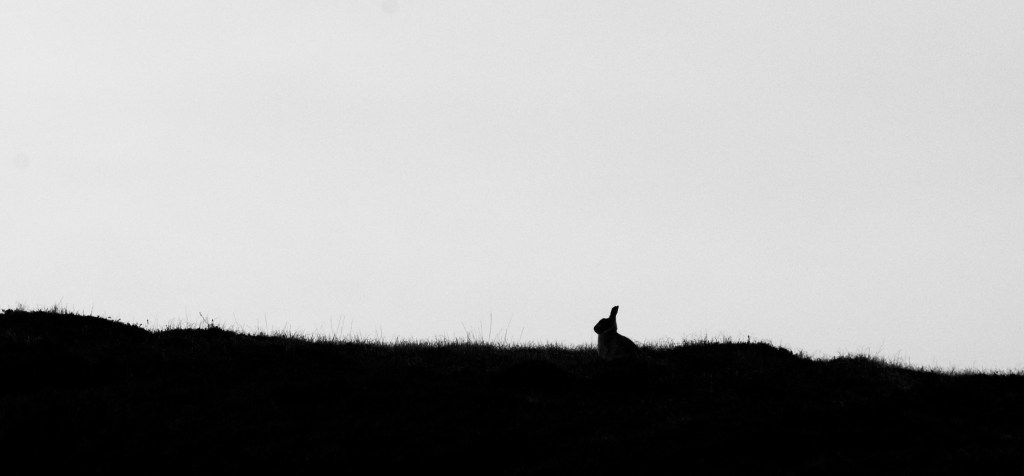
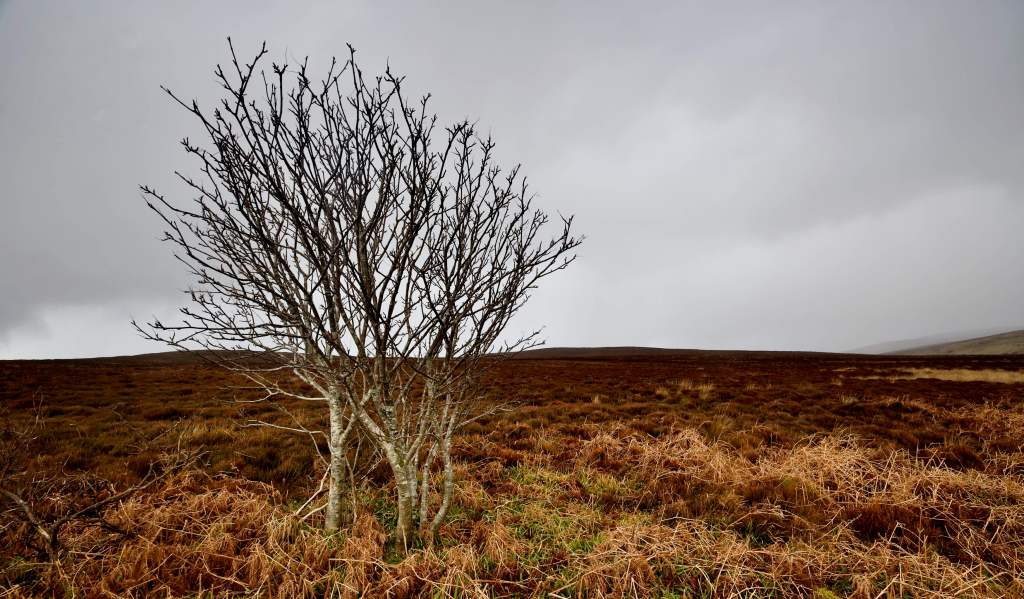
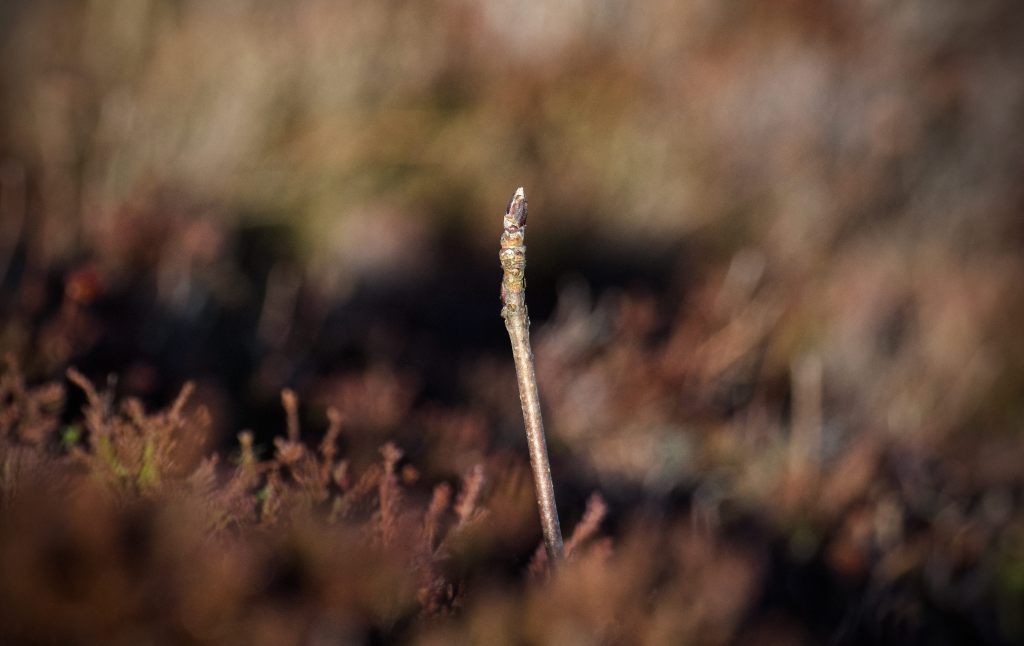
Late evening, towards Brims.

The Easter bank holiday brought calm and settled days, blue skies and light winds. The days of warmth have worked their magic, in the garden more and more perennials are pushing through the earth, new mounds of growth dotted across the garden like molehills. Soon there’ll be a burst of growth, a sudden rush where plants grow visibly taller by the day. Soon, like Black Friday shoppers hoping for a bargain, they’ll be elbowing each other for space.

Newly emerged Lupins.

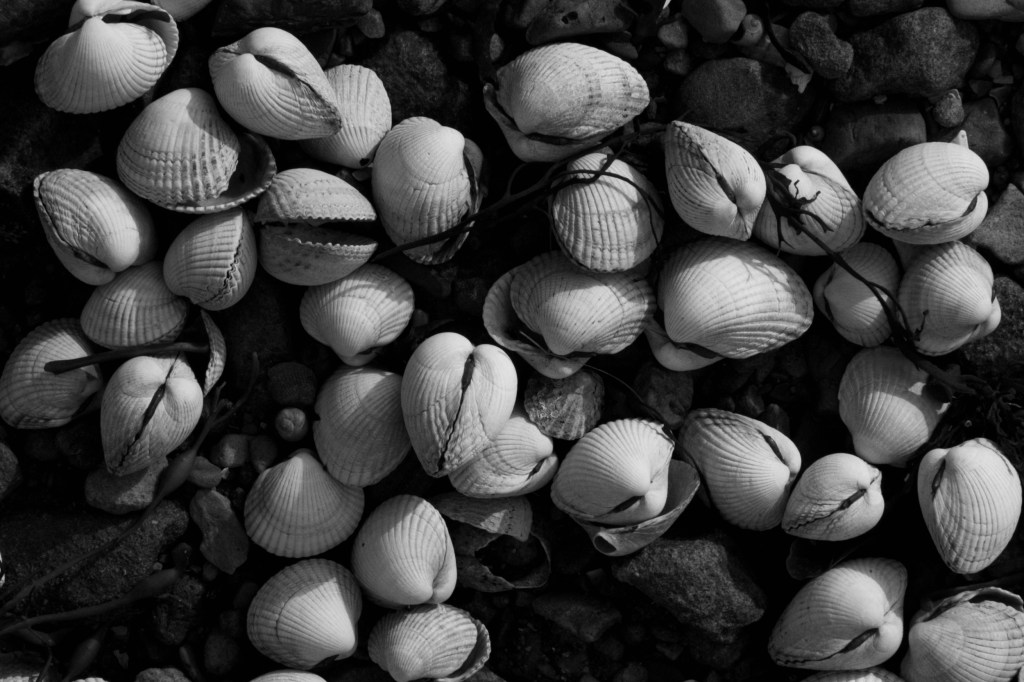
While the sun shone I ran a flail mower over the rushes in the meadow. The ground gently rises and falls like a low swell on the sea. The high spots tend to be drier, the low spots wetter. When we started to make a meadow the low spots were a monoculture of Rush. In the Yorkshire Dales I once watched a farmer run a flail over a field thick with Rush, we got chatting and he said mowing would weaken them and “let the cold in”, we tried it here, mowing hard every fortnight for the first year, after that in early spring and late autumn. So far it has worked, the rushes no longer grow in thick clumps, now they pop up as individual stems, dotting the newly flower rich turf like spent arrows at Agincourt. With the flail blades set high to miss the turf the rushes are knocked back, each years new growth weaker than the last. Sea shells are scattered here and there, cockles, mussels and whelks, picked up from the shore by Hooded crows who drop them from a height onto the meadow, mistaking the soft turf for hard ground. There’s a spot just along the road where their aim is much better, the tarmac littered with shells that have broken on impact to give an easy meal.

Whelk shell.

The warm Easter weather was of course a Siren song, tempting you to till the ground and sow seed. Wednesday brought grey skies with bitter north easterlies straight off the bay. Until gales and rain stopped play, Jacqui had carried on with a new border, each spit of earth turned over produced more stone. A guesstimate of the ever growing pile is, so far, around three tons. Along with the stone there’s the usual ex-croft junk, pieces of rusting wriggly tin, old copper pipe, fence wire and lengths of chain. Once, when planting trees here, we found the remains of a horse drawn turnip drill. As the ground is dug compost is added, a well rotted mix of seaweed from the shore and green waste from the garden.

Any old iron. Junk dug from the garden.

As the week went on the weather worsened, time to move indoors. The workshop became a potting shed. A few trays of seedlings sown last autumn were pricked out into cells, wild carrot dara, aquilegias from seed collected in the garden, wood cranesbill for the meadow. Friends from South who will eventually become neighbours had, like us, ordered trees through an island carbon neutral scheme. With groundworks on their plot yet to be started we decided to pot most of them on, willow and alder can, when the weather improves, go out on wetter ground close to the shore, but the rest, hawthorn and dog rose for a hedge, along with bird cherry for a mixed copse, all to be used closer to the house, will be better held back until the groundworks are finished.

Dog Rose, rosa canina, potted on and waiting for new homes.

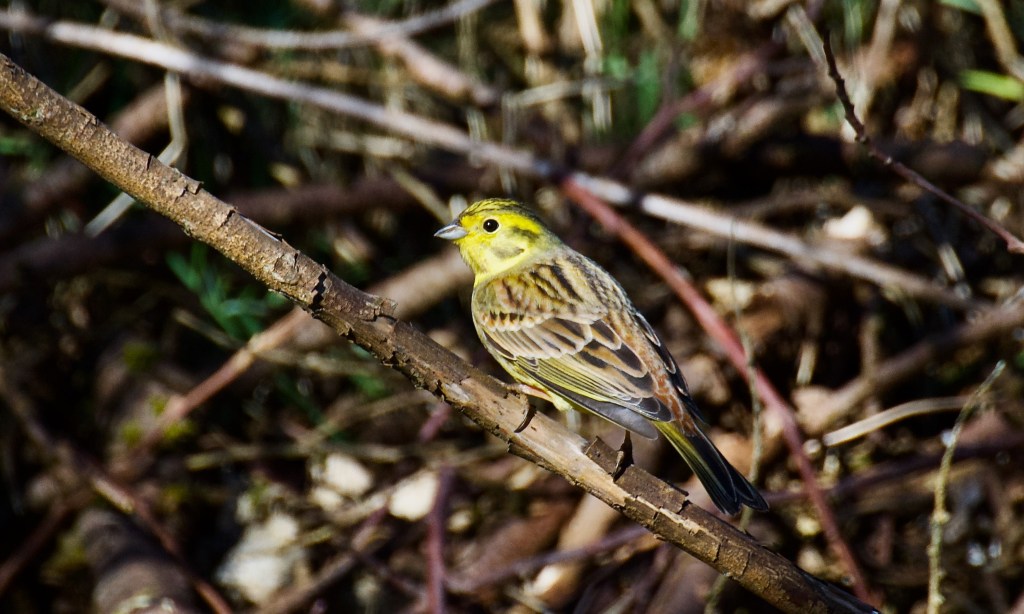
Along with the midweek winds, three Yellowhammers arrived in the garden. Rare birds for here, only the second time we’ve seen them. Not a bird of Orkney, just pausing for a while before eventually moving on. Together with a mixed flock of reed buntings and finches, they’re feeding on seed thrown beneath shelter belt trees. A memory of my East Yorkshire childhood, a  bird of fields and hedges, once common, now a red list species, lost to many parts of the UK. The scribe bunting, named for the delicate copperplate markings on its eggs.

Yellowhammers pay a visit.

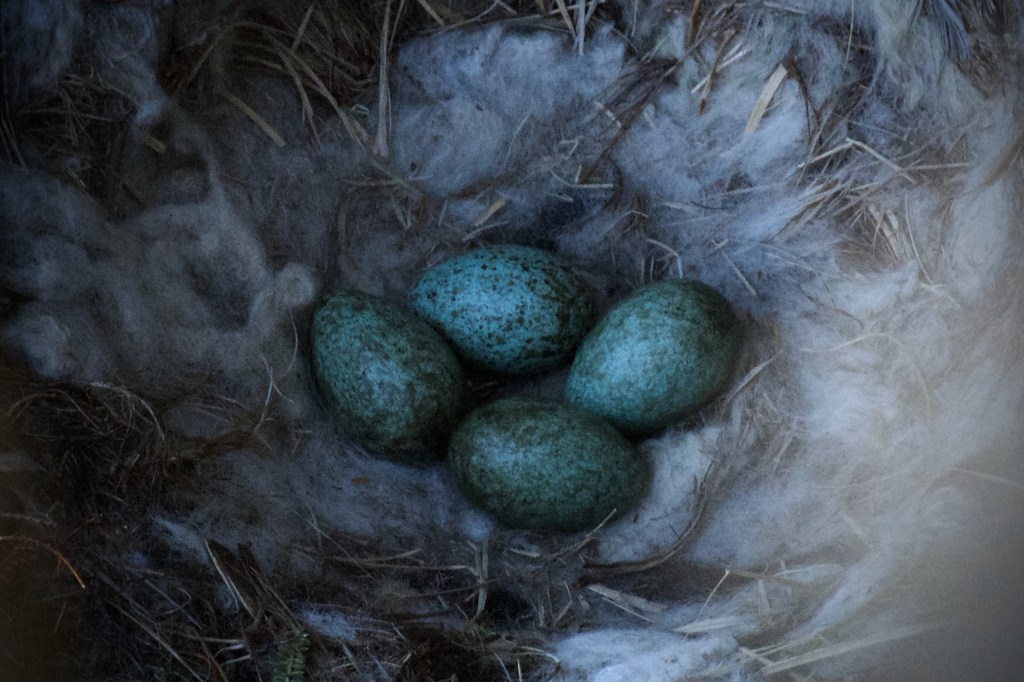
A Ravens nest.

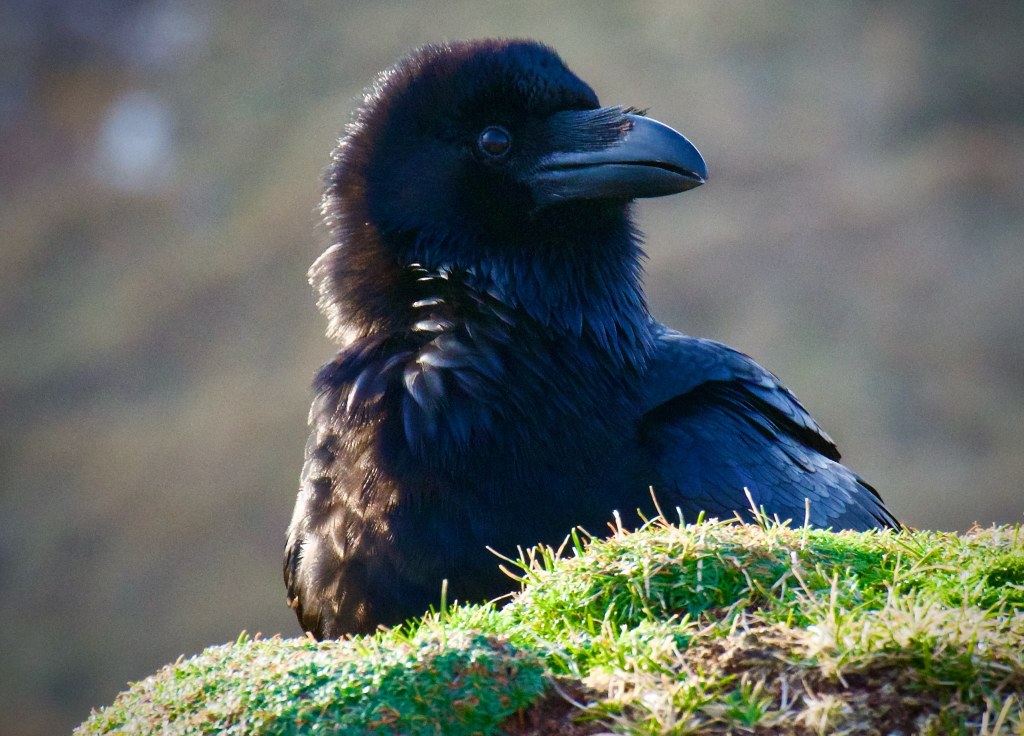
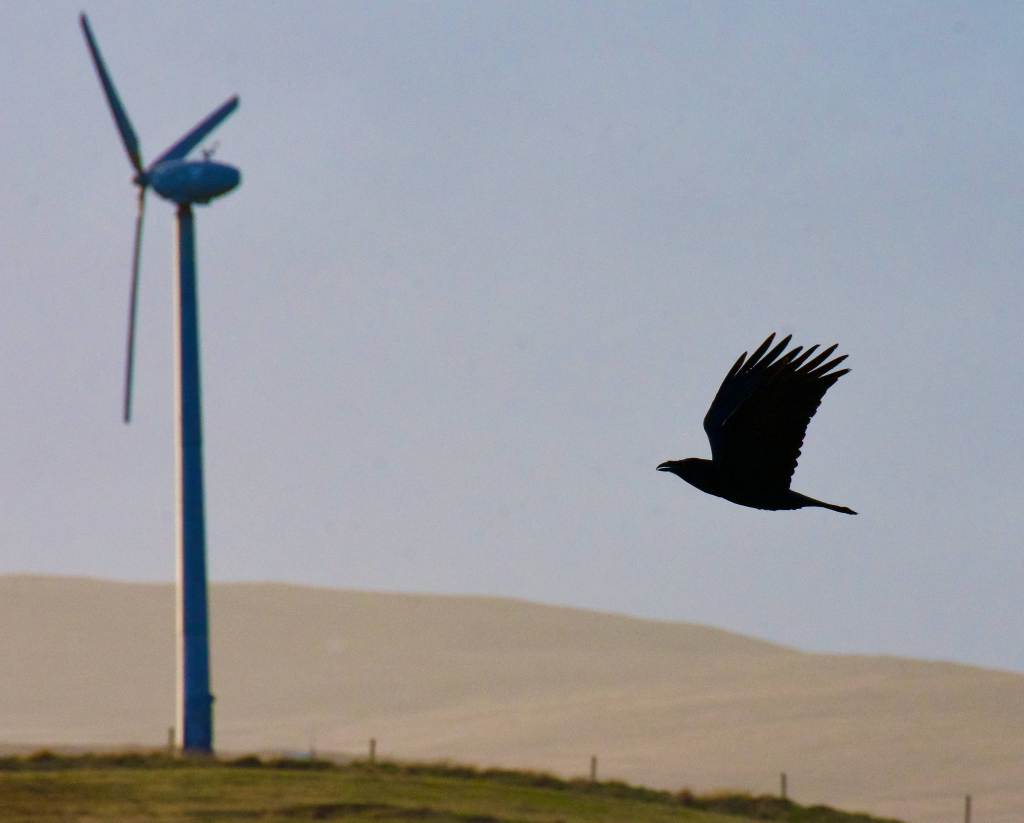
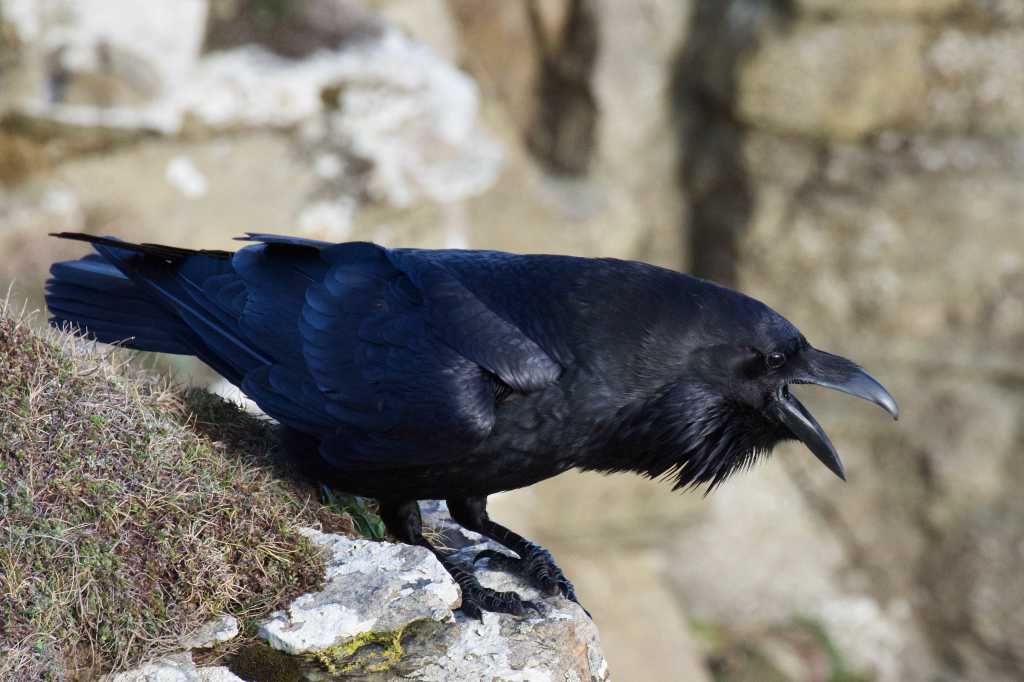
A few miles from here there’s a steep sided geo where every spring for the last four years I’ve watched a pair of Ravens rear a brood of chicks. It’s an area of coastal heath, wind scoured in winter, in late summer lit blue with the flowers of devils bit scabious. Apart from a distant wind turbine, the tallest things for miles are the lichen silvered posts of old stock fencing.

The geo is wide and deep, a half moon bite from the surrounding land. At the bottom is a beach of wave rounded cobbles. In November Grey seals haul out there and give birth to doe eyed pups. In summer the beach is just about accessible. At one end of the geo the fall is less steep, with care and dry ground beneath your feet and with hands free to grab newly regrown tussocks of grass, you can get down to the shore and sit for a while.

The nest sits on a narrow ledge at the steepest end of the geo. Built almost entirely of seaweed, every year winter storms wreck it and every year the birds tirelessly rebuild it, carrying kelp stems up from the shore and collecting a lining of wool from fleeces caught on stock fence. 

As you approach the geo, a check on the nest can be made with binoculars. Once closer it’s lost from sight until you are directly above it. There’s a narrow cleft in the cliff, perhaps a footstep wide, that, like a squint in the wall of a church, gives a limited, and in the case of the nest, a slightly vertigo inducing view of proceedings. A fortnight ago the nest was lined but empty. A week ago four eggs had appeared, a clutch in progress but no sitting bird. A long lens on my camera snapped the eggs into focus. Two days ago, as I approached the site, binoculars showed tail feathers and a tucked down head. A bird sitting tight on a full clutch of eggs, time to turn away and leave them be.

The eggs hatch in 21 days, the same incubation period as a domestic hen, after that, another forty odd days before the chicks have fledged and left the nest. If the nest is successful, later in the year adults will be seen on the headland with youngsters in tow. With luck a Raven can live for fifteen years but winters are hard and the attrition rate for young birds will be high. I’ve watched this pair for four years and have no idea if they are old or young but next year will look out for them again, checking the nest for signs of rebuilding.

The first days of Spring.

On Wednesday past we had the vernal equinox, the first day of astronomical Spring, the point at which days here rapidly become longer than nights. For Orkney, by June, it won’t really go dark. The time of the simmer dim, where, for the few hours between sunset and sunrise, the sun will track just below the horizon.

Wednesday dawned dry and bright, a fleece and tee shirt day. In the garden Jacqui made a start on a new border, as is typical for here, every spit that is turned over unearths stone and junk. The stone at least will come in handy, infill for a yet to be started dry-stone dyke. I cleared a tree at a house along the way, a lodgepole pine flattened by a gale. Despite a sharp chain, the saw struggled with the trunk, the timber, full of rising sap, swelling and tightening on the bar as the cuts were made. 

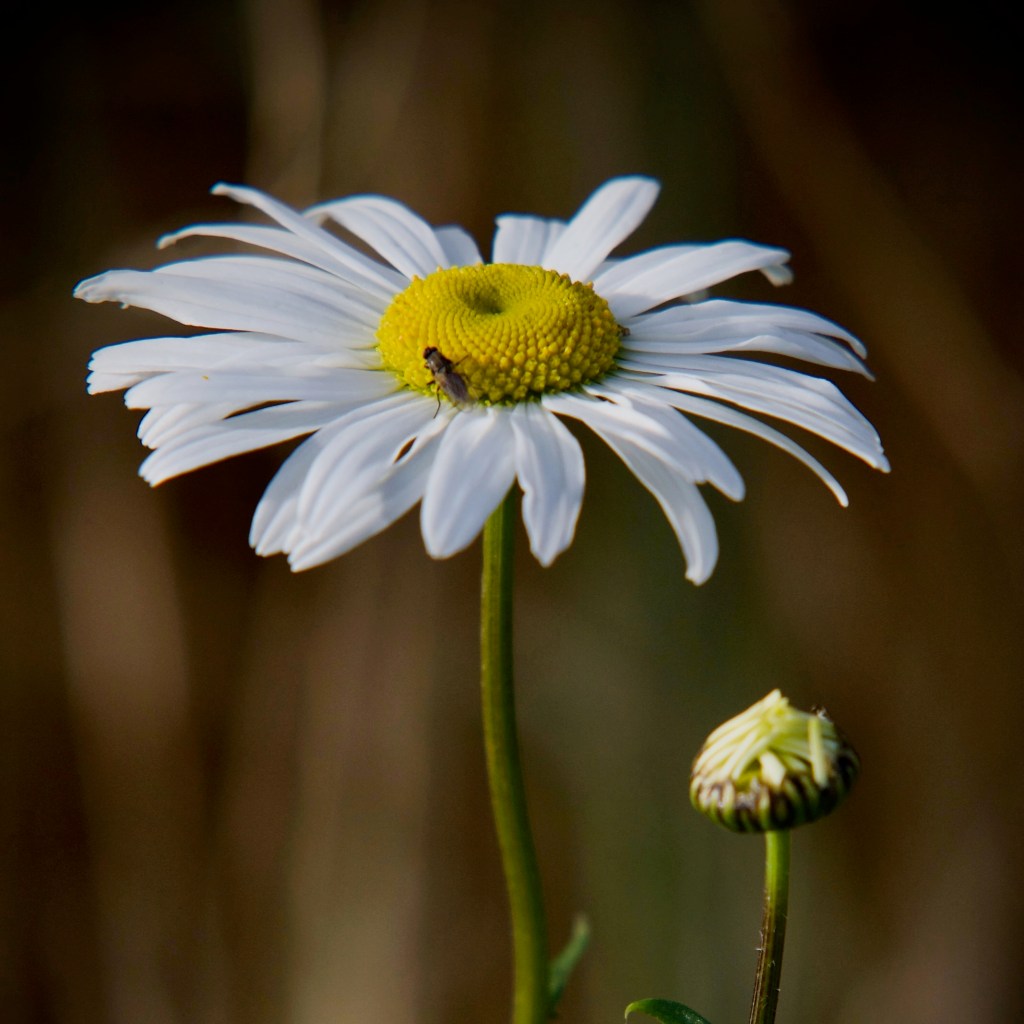
The weather turned on Thursday, sun and showers and winds from the east. A few wildflowers went into the meadow, a couple of dozen water avens for a wet spot close to the shore along with ox-eye daisies sown in trays in late summer. Friday brought gales and cancelled ferries. A brief pause this morning and then more of the same. A day to be indoors looking out.

Ox-eye

The charm of Goldfinches mentioned last week are now being noticed by their absence. A few are still here but the flock has moved on. Hooded crows are checking out nest sites, a pair have been hanging around the edge of the garden, a tall sitka spruce is looking like a promising spot. On Tuesday a waxwing arrived in the garden, still here today, feasting on half apples, a few feet from the kitchen window.

A Waxwing visits the garden.

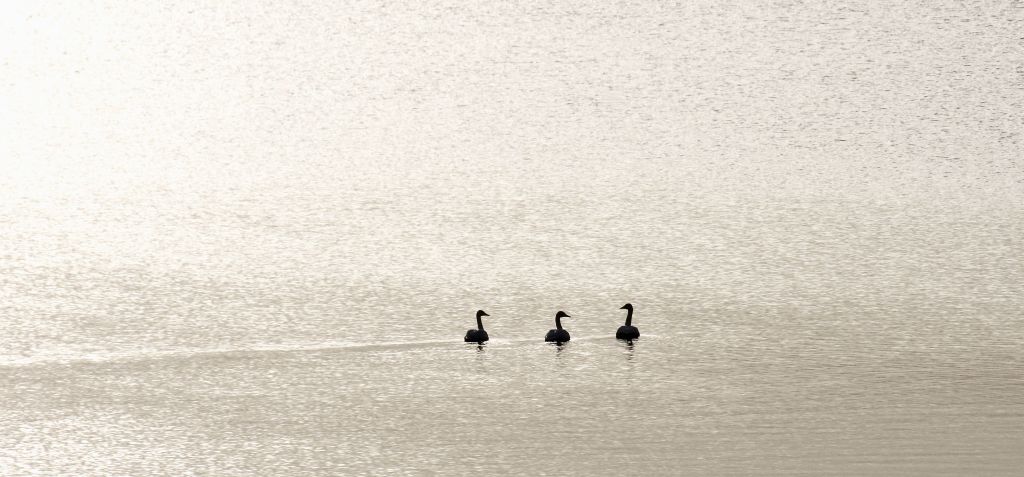
The first day of Spring  saw three whooper swans on the bay, They dropped in at first light, way out on the water, three dark silhouettes on a silver sea. Icelandic birds pausing awhile before leaving to steadily beat their way home to summer breeding grounds. From Orkney, none stop, a flight of around five hundred miles, half that if they pause for a pit stop on the Faroe islands.

Whoopers out on the bay.

March the 16th.

For Orkney, March has so far arrived with mostly settled days. A mixed bag of bright sunshine along with grey days that often brought rain. A day or two of gales were thrown in for good measure, but so far, March has come in more like a Lamb than a Lion. The only real downer is that the winds, when they did arrive, tended to be easterlies, straight off the sea and straight at the garden. Those days even if bright were bitterly cold.

Grey day showers.

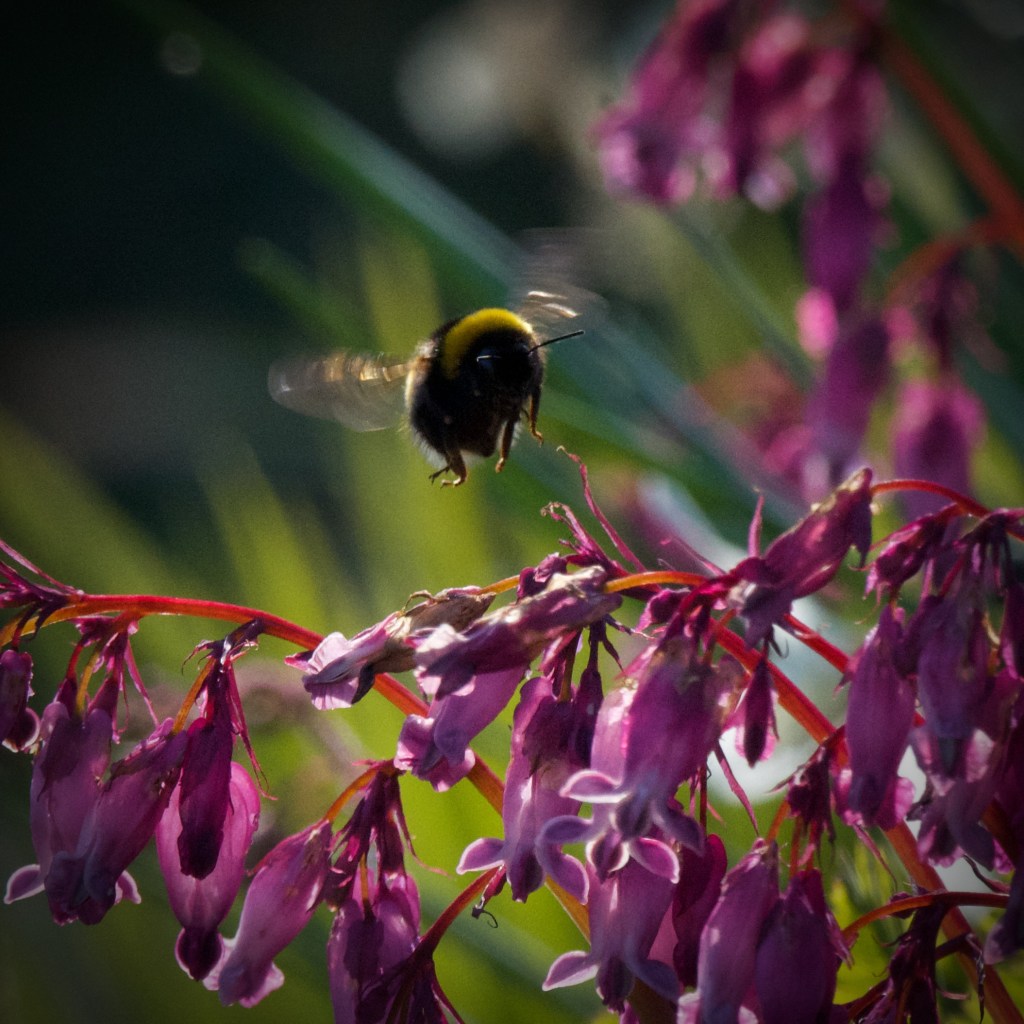
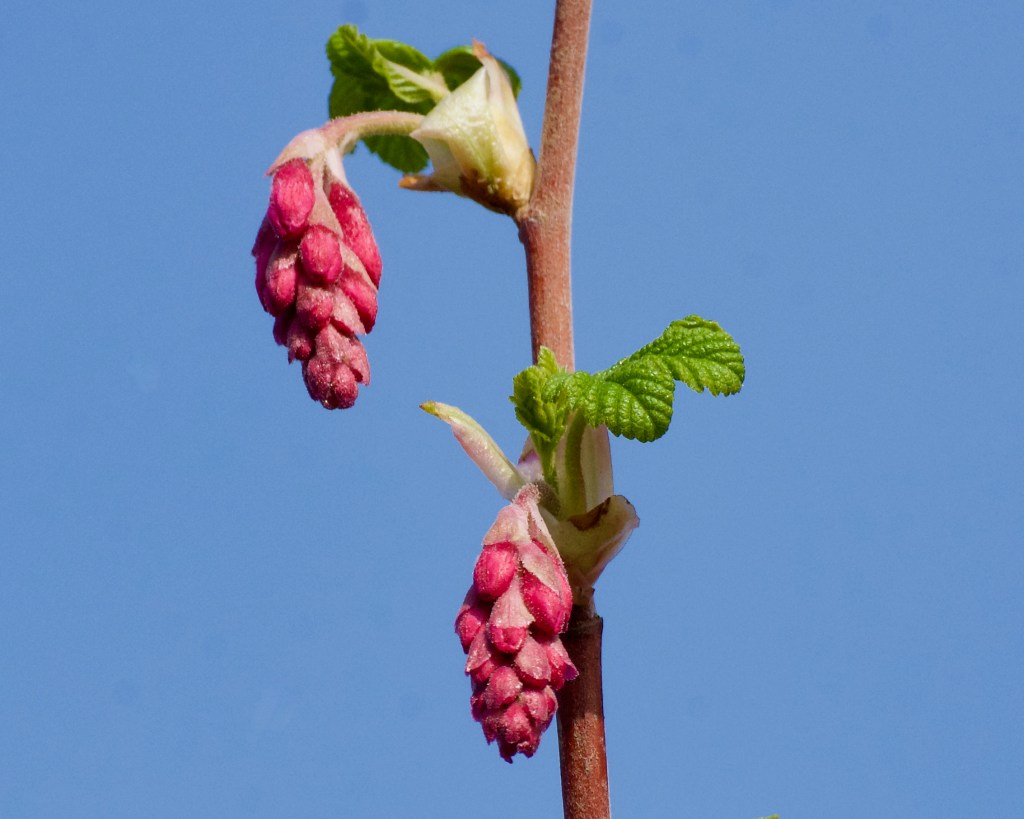
The garden is slowly reawakening after months of slumber. Perennials are pushing through the earth, low clumps of fresh growth giving a tell that longer and warmer days are just around the corner. From branches cut back hard in autumn, Elder black lace is sprouting dark new growth. The flowers of Ribes are starting to open, the first Bumblebees are being seen.

Ribes for early bees.

Spring in Orkney though is a slow burn start. Snowdrops are still in full flower, ditto crocus. ‘Tête-à-tête’ daffodils are fully out but no sign yet of their follow on cousins, thalia and pheasants eye, the latter of which will still be in bloom here in late May

Jacqui has been dividing and staking perennials, preparing the garden for summer. Plants that have grown too big for their space are being lifted and split. A year or two ago they would immediately be found a new home in the garden, now, with limited space, spares are potted on for a garden gate sale, stored in fish boxes picked up from the shore. 

Newly potted plants and fish boxes from the shore.

Low growing perennials are being given corsets of alder sticks, essential support against inevitable summer gales, within a couple of weeks their twiggy restraints will be hidden by new foliage. For taller plants commercial hoops are used. For the very tallest hoops aren’t always enough, a belt and braces approach also sees them wired to the top stones of a dyke or to an old fence stab driven into the ground.

A newly emerged geranium gets a support of Alder twigs.

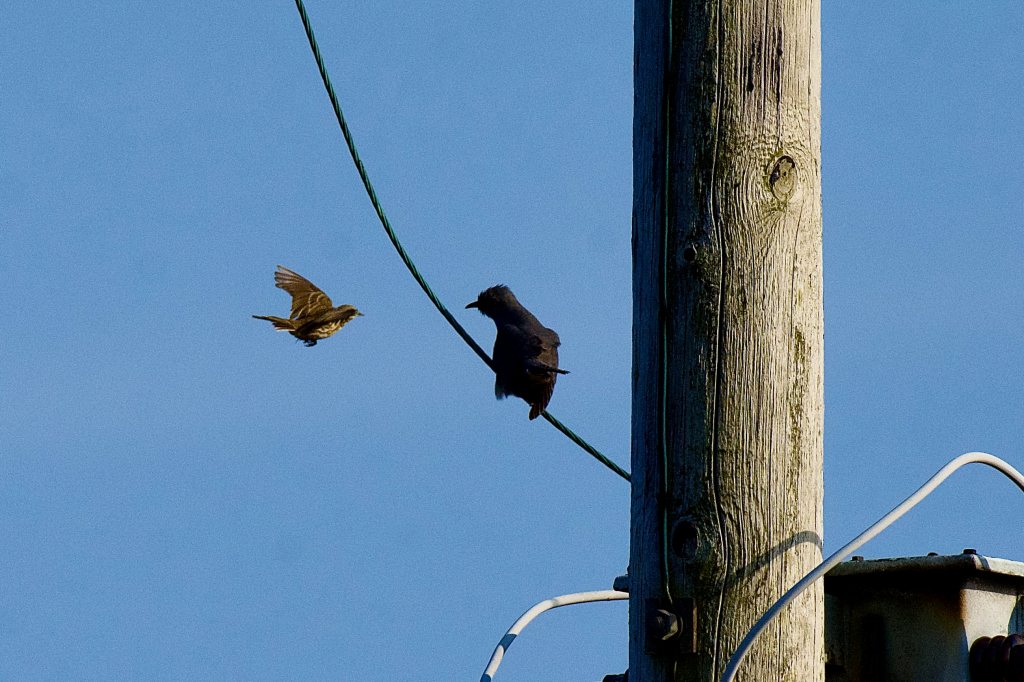
Goldfinch are here in good numbers, a charm of around forty birds clustering on feeders, most will move on but a pair or two will breed here. At the edge of the garden a song thrush is singing a claim to a patch of bramble. A rare sight this week was a single blue tit, a first for here. Starlings are also calling for mates, not so much a song as a collection of squeaks and whistles. Close cousins of myna birds they’re excellent mimics, last year we had one that had a curlew off to a tee, another did a half decent cuckoo, best of all was a bird at our first home here, managing a slightly squeaky bok-bok-bokker of a hen proudly announcing to the world that it had just laid an egg.

A male Starling poses for the camera….

Mountain Hares.

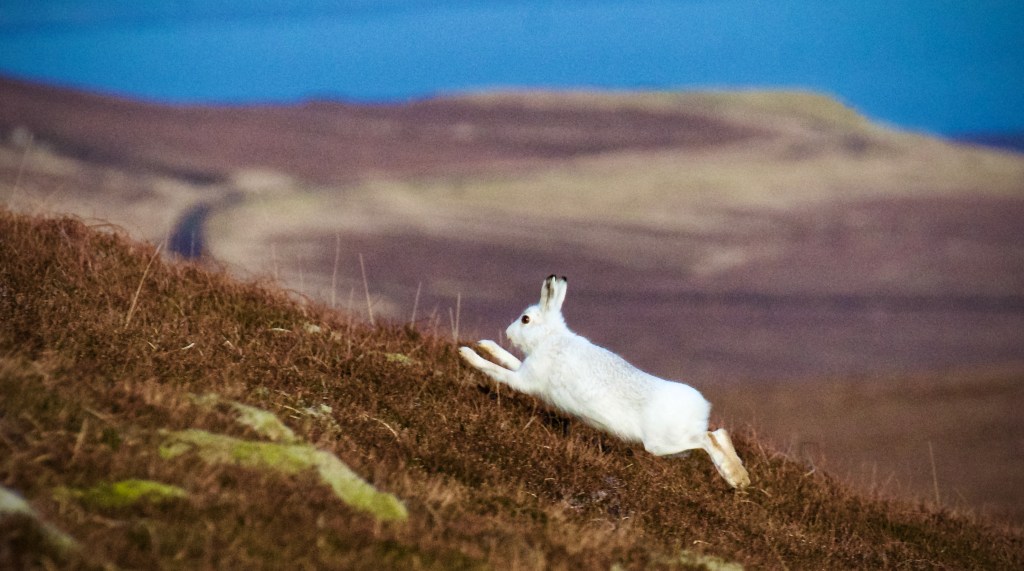
In Orkney, Mountain, or Blue, hares, are found only on Hoy. Although native to the uk they aren’t native to Orkney. It’s generally believed that they were introduced to Hoy and a few other islands, probably for sport, in the late nineteenth century. Although, just to muddy the waters, there’s a record from 1529 that tells of white hares being caught by dogs. However they arrived they have over time become absent from other islands in Orkney. The Brown hare, introduced to the UK by the Romans, is also found in Orkney but is absent from Hoy. The hares turn white in winter, clean as snow beneath and blue-grey on top, the colour of gun smoke.

The landscape here is perfect for them. Look at Hoy on google earth, zoom out and you’ll see a predominantly brown island, fringed here and there with green. The brown is moor and heath, mostly high ground. The green is lower lying, the small percentage of the land, usually close to the shore, that generations of crofters have “broken”, taking it from moor and heath for either grazing or harvest.

To label the moors as just brown though is unfair, in spring wet spots are dusted white with cotton grass, in late summer heathers light the slopes purple. For the rest of the year the moors remind me of a Harris Tweed, from a distance a monocolour but up close the details are revealed, the reds and oranges of mosses, the silver greys of lichens. Dozens of species sit amongst the heathers, from creeping willows to carnivorous sundews. All going unnoticed until they are almost stepped on, a rich and hidden tapestry of colour and life.

There are no foxes here and with year round protection from hunting, the hares only natural threat comes from above. After an absence of almost 150 years White tailed eagles returned to breed on Hoy in 2015, Golden eagles have also recently returned to the island, raising chicks in a nest whose location remains a tightly kept secret.

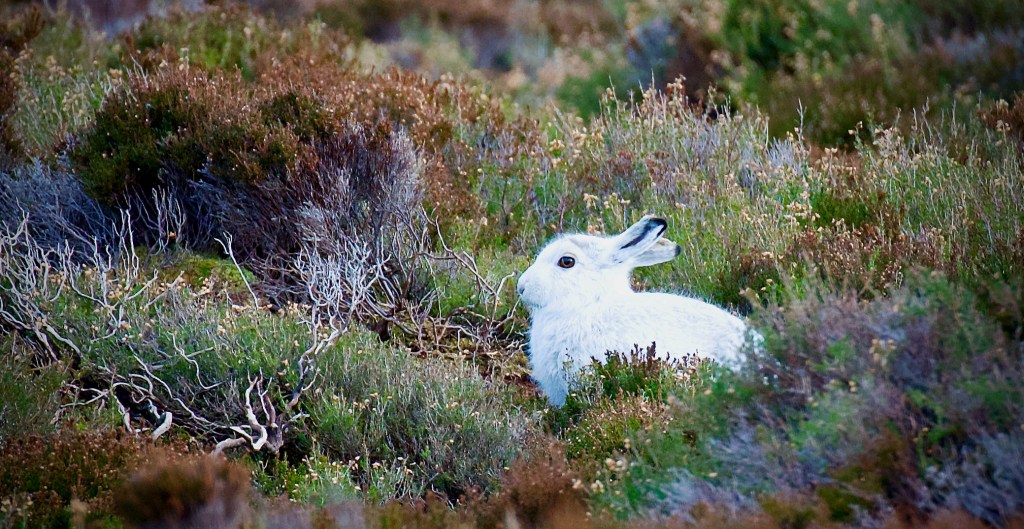
If I don’t move, he won’t see me….

With little snow in Orkney at this time of year the hares stand out like sore thumbs, an easy spot for both human and eagle. Occasionally you’ll find a group of bleached bones, usually on the top of a small mound, perhaps the spot where an eagle ate its meal of hare. Predation is natural though and they seem to be doing very well, a recent walk of only a couple of miles brought a tally of thirty-one hares. Dressed in winter white all were tucked down low on west facing slopes, ducking the wind, making the best of the late afternoon sun.

Hares aside there are many other species that are well suited to life on the hills and moors of Hoy. Red throated divers nest on remote lochans and in summer fly directly over the house, a beeline from moor to bay. Hen harriers are a given here, a rare day if at least one isn’t seen floating low over the land. Occasionally a harsh kek-kek-kek will give away a soaring peregrine. Twite nest amongst the heathers, often called the northern linnet. In winter they form loose flocks, feeding on seed heads and bouncing away in flight every time you put a camera to your eye. Snipe are flushed from wet spots, small and fast, zig-zagging off into the distance. Red grouse cause a heart skip as they burst away from under your feet, sometimes a pair, sometimes a covey – a leash of birds. In Scotland the old collective term for three or more grouse.

Rowan.

On Sunday we started to plant Rowans up on the moor at the back of the house. A bright still day with an occasional shower, warm enough in a fleece with a backup coat hanging from a fence post. Small hardy trees that cope well with exposure they’re seen dotted here and there on the moors and hills of Hoy, sometimes in small copses, often alone, a single bird sown tree giving a scale to the open landscape. They have a mythology as long as your arm, to the Celts the Travellers Tree, a tree to guide you home. To the Norse the tree that saved Thor from drowning, the tree from which the first woman was carved. In Scotland the Witch Tree, a tree planted close to the house was said to ward off evil. The branches of the Rowan were believed to make the best dowsing rods. My favourite comes from greek mythology, Rowans spring up where the feathers of Eagles fall.

Ready to plant.

The trees came free of charge as part of a Carbon Neutral Islands scheme. A project that aims to see six Scottish islands become carbon neutral by 2040. In total over 4000 trees were supplied to homes on the island. A mixture of species, some suitable for gardens and some grown from Orkney stock that were recommended for more open land and environmentally sensitive areas. We asked for a few bird cherry and common alder for the area around the house together with dog rose to dot here and there at the edge of the meadow but the bulk of our order was for native stock, mostly Rowan with a few Downy Birch and Aspen thrown in for good measure. 

Branches were used for dowsing.

The Rowans were for the highest part of our plot, an exposed spot of ankle high heathers that, unlike the moor lower down the slope, is unaffected by wide shallow peat cuts that have stripped the earth down to stone. The soil higher up is still deep and dark, a good spot for young trees to put down roots and anchor themselves against the inevitable gales.

Canes mark the spot.

Getting them up there was awkward, a builders trug in each hand with four trees to the trug. Narrow twisting ginnels cut by rainwater are everywhere, hidden by the heathers, waiting to catch a foot and put you on your knees. Planting though is easy, chop out a square of  heather, dig the hole, drop the square of heather into the bottom of the hole, chop it up with the spade, back fill while adding the tree. The trees were knitting needle thick and knitting needle high, canes were used to mark them but no support is needed for trees so small. Tree guards weren’t used, they would most likely end up gale scattered all over the island.

A tree of moor and hill.

By the time they were in, the sun was dipping below the hills to the west. A  hen harrier had passed by, a male stonechat, with orange breast and white dog collar, had kept me company, flitting  from fence wire to heathers and back. With the trees supplied by the CNI scheme and with seedlings from our own moorland edge tree the hope is to have a small loosely spaced woodland of around a 150 Rowan planted this year. With luck they can live for 200 years, we’ll tend them and see them start to grow but will be long dead by the time they mature. A decade or so from now they’ll start to flower and bear fruit, pollen and nectar for bees, berries for passing birds.

Newly planted, tucked low amongst the heathers, 1 year down, 199 to go…

Making a meadow.

To the front of the house, between the front garden and the shore, there’s a field of around one and a half acres. In the days when this was a working croft it would have been summer grazing or hay, once full of wildflowers and life. As the land was decrofted and left unworked the field fell into disuse. Not mown or grazed within living memory it had over time rewilded itself into two main species, rush and common bent. There were also patches of brambles here and there and a bright pink honeysuckle, a garden variety, planted against a long collapsed shed, that had woven a web of twining stems across an area of the field. Despite not being touched for at least sixty years there were no trees or saplings to be seen. The only silver lining was the common bent, the farmers “poverty grass”, an indicator of poor soil. A good sign for a perennial meadow where low fertility generally aids wildflowers and hinders stronger growing grasses.

Year one, part mown and yet to be cleared.

The first task was to cut and clear it. The growth was waist high, walking across the field was akin to walking on a trampoline, so thick was the bouncy mattress of light stealing thatch that had built up over the years. We borrowed a power scythe, a walk behind machine that has a wide ground level cutter bar, a reciprocating blade that scissors off everything in its path. Once cut we cleared the field, raking and forking the grass and rush into long winrows. They snaked across the field. So tall they looked like berms, ready to repel a sea born invasion. 

Once cut and cleared a mixture of grasses appeared.

In the first year, while the winrows rotted down to a volume that could be taken away, we ran a mower over  the meadow every two weeks or so, keeping new growth short and giving the meadows seed bank a chance to spring to life. The result was better than expected, different grasses appeared along with a wide variety of wildflower seedlings. In the second year we mowed until early may and then left the meadow be. That summer for the first time in decades the ground was lit gold with the yellows of cats ear and buttercup. In a wet spot sorrels flowered, from a distance the flowers of the closely packed plants giving the look of a haze of crimson smoke. Close to the shore a patch of meadowsweet came into its own, abundant with creamy white flower heads.

Meadowsweet grows close to the shore.

In addition to the species that have appeared naturally, other natives have been added, thousands of home grown plugs, ox-eye, yarrow, bedstraw, knapweeds and many more. Wood cranesbill, that, despite its name, is a plant of northern meadows, is a new addition for this year. There’s a line in the sometimes controversial Christopher Lloyds book on the meadows at Great Dixter and beyond where he writes of “perfect lawn nutters”, with tongue firmly in cheek we refuse to be perfect meadow nutters, a not so native succisella, frosted pearls, that had proved to be a failure in the garden was given a second chance in the meadow, now happily thriving among the grasses its pin cushion heads are bumblebee magnets.

Knapweeds and other natives have been added.

Non natives that have turned up uninvited are also tolerated. Orange flowered montbretia, a plant that grows feral here, has a toe hold in places, as does alchamilla mollis. Lupins, once grown as a crop in Orkney, pop up now and then. Close to a boundary fence there’s a patch of sweet rocket. All are kept under control by early spring and late autumn mowing. Ditto the rushes, weakened by regular cutting they no longer grow in thick green knitting needle clumps. Ragged robin, water avens and other damp lovers have space now to grow and flower.

Ragged robin have established well, lovers of wet ground.

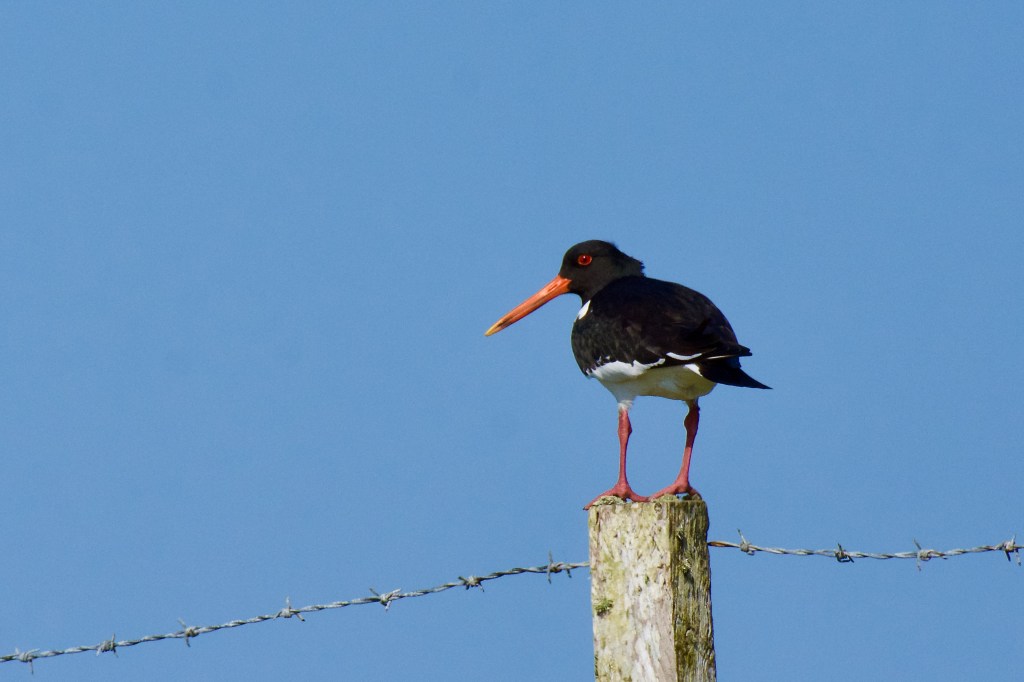
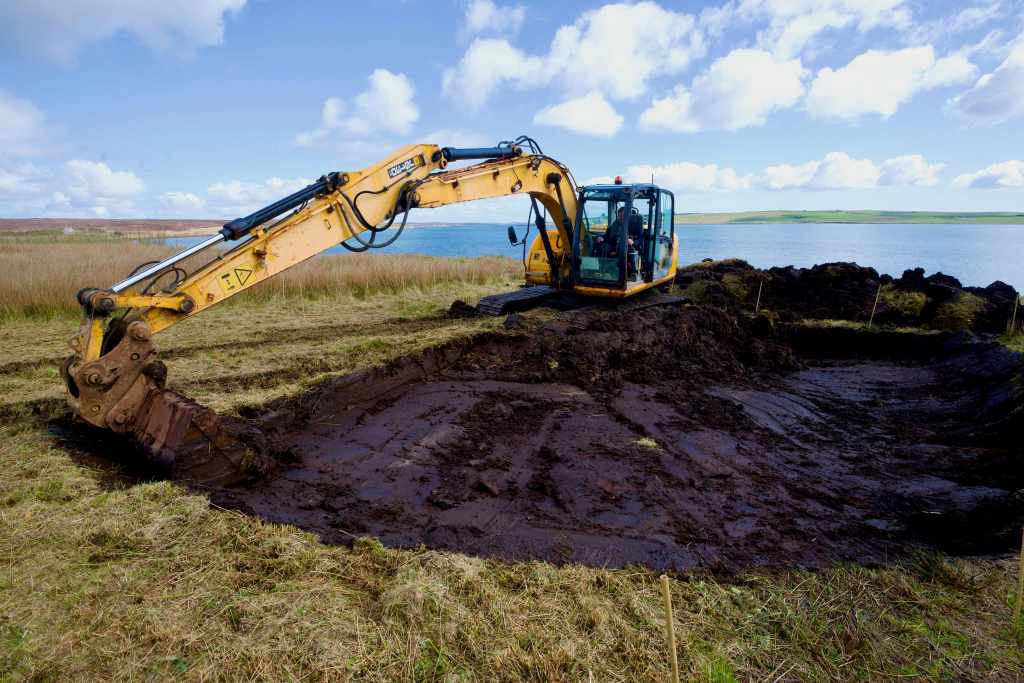
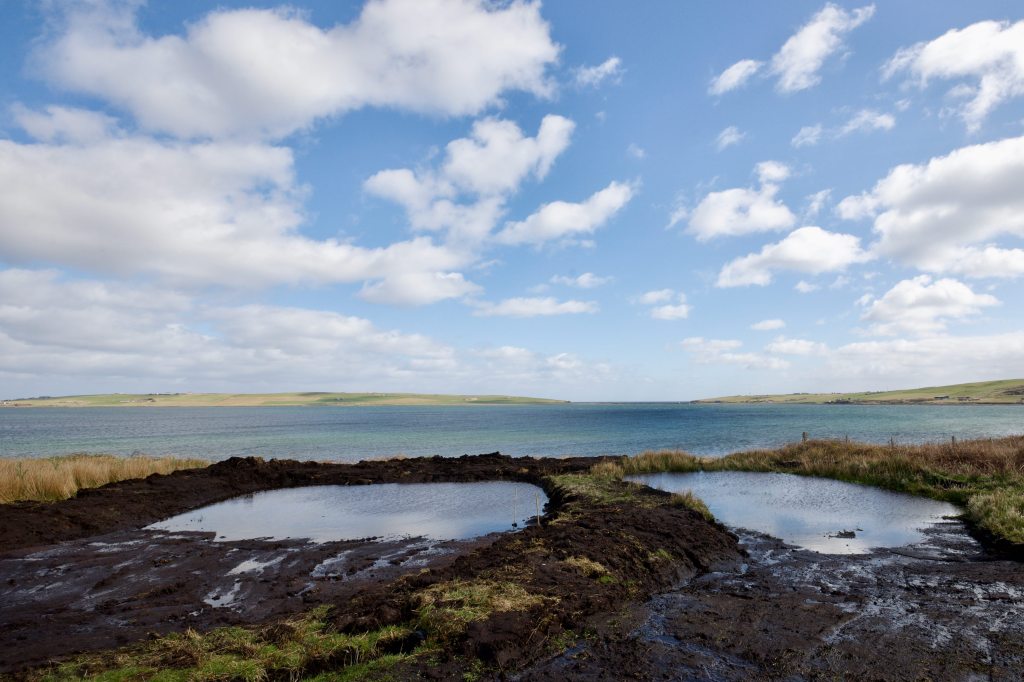
The meadow is still evolving. Trees have been added in small groups, alder, rowan, whitebeam and others. A sloping bank is dressed with young gorse. Close to the shore two ponds have been dug, there’s a coppice of grey leaved willow. More life has arrived, greylags nest in a quiet corner, last summer a pair of curlew were seen with fluff-ball chicks in tow. In winter snipe and oystercatcher arrive to prod and poke the earth. The grass from autumns annual mowing and clearing is piled in low haycocks close to the shore, left to dry and eventually rot. New homes for wood mice and fungi, somewhere for queen bumblebees to slumber away the winter.

Early summer, year three.

Snowdrops and showers.

The past  week brought mostly settled days, a mix of sunshine and showers. The gales that have dominated the weather since Christmas were noticed by their absence. Thursday threw a spoiler, heavy rain, a grey wet shroud of a day. Willow buds are thickening, on the cusp of bursting open, lifeline pollen and nectar for early flying  bumblebees. The first snowdrops have flowered.

Snowdrops and showers.

A fence of driftwood and alder was finished, a simple zig-zag that draws a line where a back garden border ends and a newly planted area of trees begins. With one fence finished another was started, there’s an area at the side of the house, currently the spot where we store young trees, where we eventually plan to go all Derek Jarman, driftwood and stone and finds from the shore. The first step, a fence of salvaged sweet chestnut pales is in progress, the pales, already silvered by sun and salt air, will sit well, back garden perennials on one side, a garden of gravel from the shore on the other.

Willow buds.

Greylag geese have taken a liking to the meadow, a dozen birds are here most days now. They’re getting used to our coming and goings. A fortnight ago they would fly off, honking and complaining, if we went anywhere near, now they just walk away, head cocked to one side to make sure you aren’t following. 

Eider ducks are being seen on the bay, absent for most of the winter they are starting to return for the summer. A string of males and females were seen, flying in line, skimming the swell before settling far out on the water. They nest on the moor at the back of the house. In past times the nest sites would be marked, after the eggs had hatched the soft breast feather nest lining would be collected for eiderdown filling. Their latin name of somateria mollissima is a perfect fit; somateria – body wool, molliissima – very soft.

Angelica seed head.

Last year at the bottom of the meadow close to where the ground falls steeply to the shore wild angelica appeared among rushes planted with young willow coppice. A few self sown plants dotted here and there. Their seed heads are still standing, the seed, cast to the ground by autumn gales is starting to germinate, dozens of tiny seedlings dotted amongst the shelter of the rushes. We’ll transplant a few and leave the rest be.

The past week brought mostly settled days. Late afternoon, towards South Walls.

Front gardens.

With dry-stone dykes built we started on the front garden space. As mentioned in the previous post, a third of the area had been walled on four sides. A nod to a kailyard, traditionally the spot where crofters would grow veg. The stone dykes giving protection from both the wind and from wandering livestock.

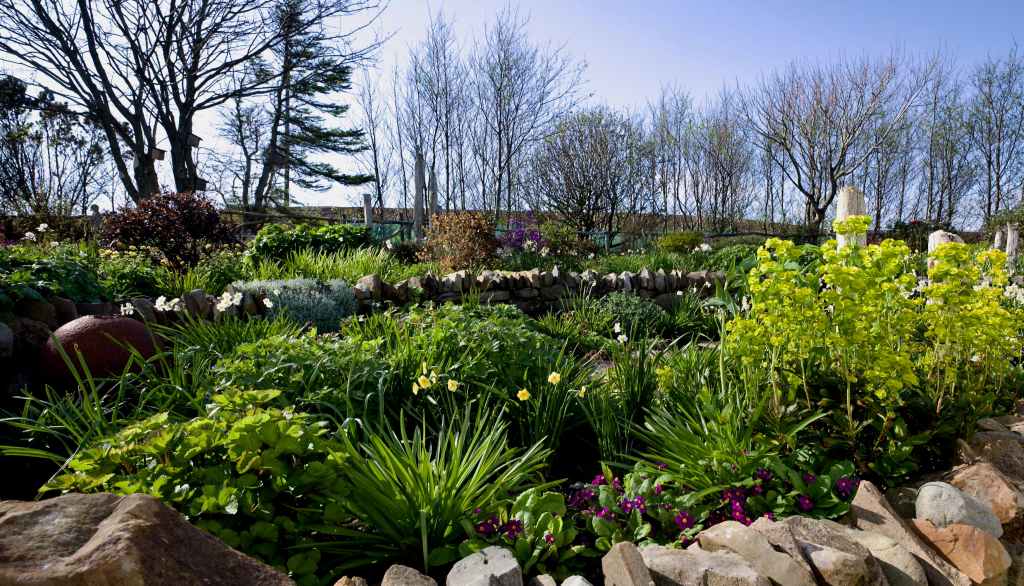
We started in the kailyard first. The plan was to have a single border taking up most of the space. To one side a stone chip path would allow access to the rear garden with another area of chips giving both somewhere to sit and also allowing the ground beneath an inherited and shallow rooted rowan to remain undisturbed.

With the border marked out and edged with sea worn stones from the shore, Jacqui dusted off her spade and started to dig. At the side of her a dumper, a wheelbarrow and a sack barrow, the dumper for unearthed stone suitable for walling, the barrow for smaller stone, the sack barrow for stone too heavy to lift.

As the kailyard progressed, a small extension was also being built on the front of the house. The area in front of the extension makes up the rest of the front garden space. Once the extension was built, work also started on this area.

During the digging of the extension foundations, I’d tracked a mini-digger and dumper over the ground that would become garden, so once again more somme than garden. It sloped awkwardly on the left side so we decided to split the space with a simple driftwood and chestnut pale fence. The left side would be terraced to lose the slope and give instead a raised bed and a sunken area.

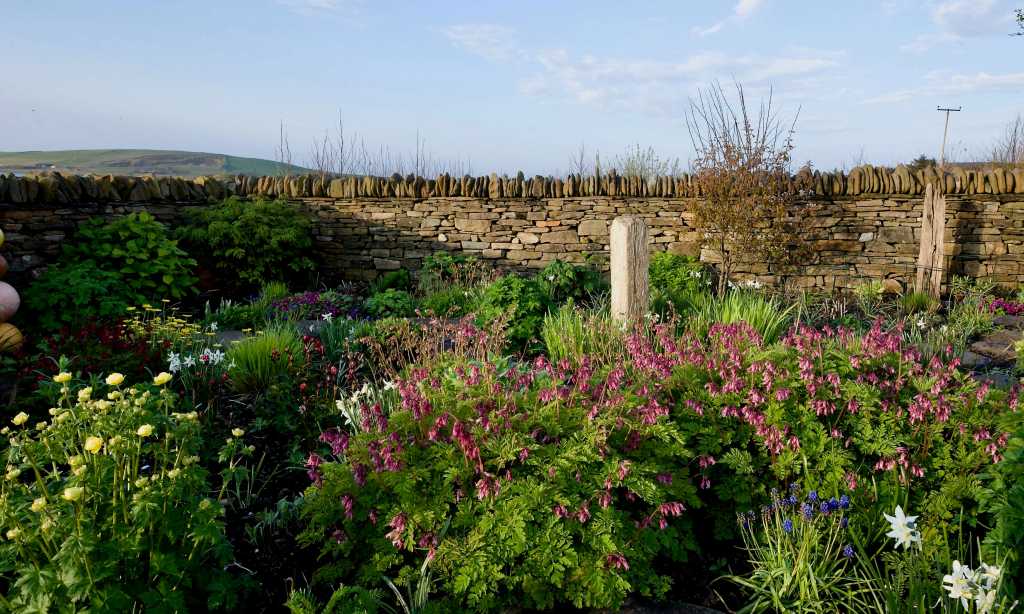
With the kailyard and front gardens laid out and dug Jacqui started to plant them up, the real gardener out of the two of us. Despite the poor soil within the space of two summers with her care and attention each area has filled with colour. A mix of annuals and perennials, both damp and dry lovers, all rubbing along together. Alive with bees and butterflies.

Dry-stone dykes.

With progress on the rear garden well on its way, thoughts turned to the garden at the front of the house. A long narrow oblong perhaps ten paces deep by forty paces long.

Making a start.

We had inherited stone dykes that ran around three sides of the space. It should be said that in Scotland a dyke is a wall, in England a wide ditch. A friend remembers them being built, unfortunately despite being only a few decades old they hadn’t stood the test of time. With no through stones to tie the sides together and an infill of soil rather than packed stone, those that hadn’t already collapsed were well on the way.

The old dykes would be rebuilt and new dykes would be added. In a nod to local history one third of the space would become a Kailyard, a crofters vegetable garden, enclosed on all sides for shelter. Although in our case flowers, not veg, would be grown. The rest would become an oblong garden, split into two halves by a simple driftwood fence. A garden for a yet to be built extension.

The Kailyard. The foreground wall has yet to get its pennies.

Existing walls were dismantled. The stone, roughly graded into thicknesses, laid out in rows along the ground. Long stones suitable for ties were put to one side. Anything roughly triangular was thrown into a separate pile, these would be the ‘pennies’, the upright top stones that cap the finished dyke. A favourite job, there’s a rhythm to the work, a steady progress as the day goes on. A knowledge that if done well the dyke will long outlive its builder.

In progress.

‘A’ frames were made of scrap timber and fastened to old fence stabs driven into the ground. Having never built a dyke before moving to Orkney, but since then having built them here and there all over the island, the early lesson you learn for a brand new dyke is to spend time running out strings between frames.

‘A’ frames keep the line and camber.

The frames keep you on track with the profile of the wall as it is built but before a stone is laid they also help visualise the finished dyke. A top string pulled tight between frames tells instantly whether the dyke should be level or allowed to slope to follow the camber of the ground.

A slab from the shore makes a handy stop end.

We built them in 2020. Lockdown year. Since then they’ve mellowed. The newness already weathering away. Wrens have nested in a cranny. Wood mice live in the lower storeys. Stand still in the kailyard and they’ll run around your feet, picking up seed spilt from bird feeders that hang from a Rowan.

Three years on, softened by time and planting.