
The past couple of weeks have brought a mix of days, some gave bursts of heavy stair-rod rain and others gifted bright and cloudless skies. Today it’s grey and flat calm, barely a ripple on the bay.
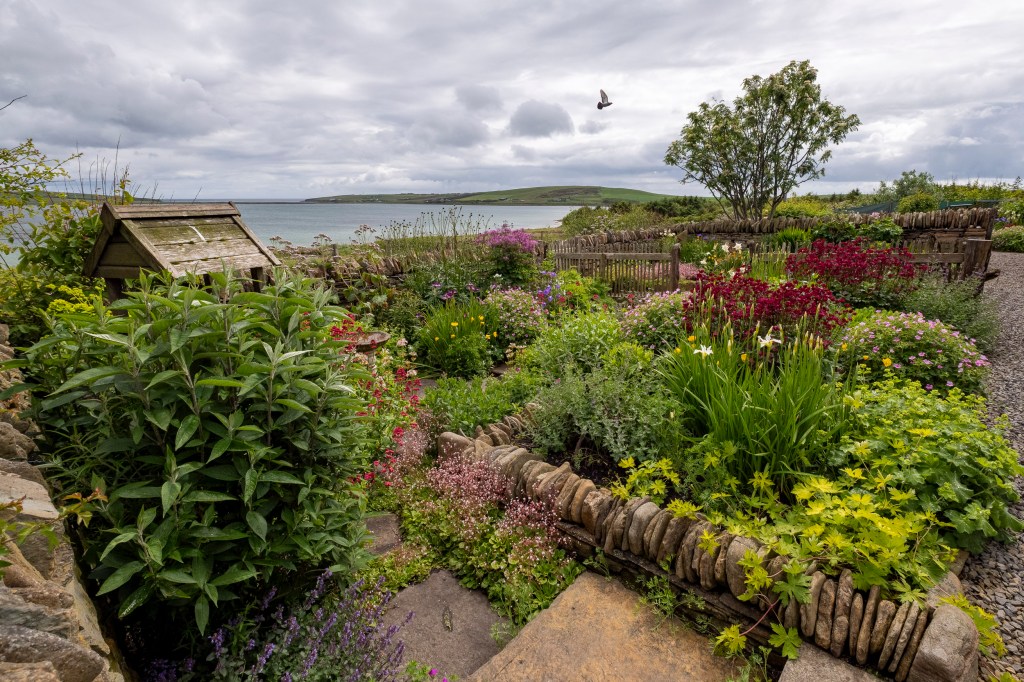
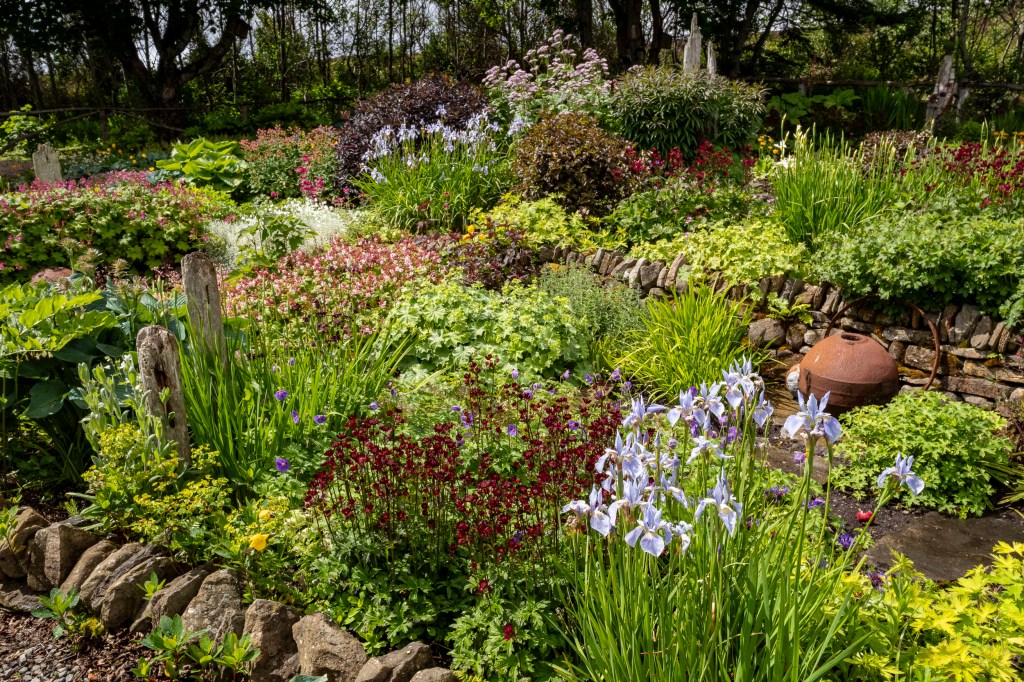
The one common denominator has been warmth, add in the spells of rain plus our current nineteen hours of daylight and the result is perfect growing weather. Jacqui is on a “painting the Forth Bridge” task, working her way through the garden, secateurs and string in hand for cutting back and tying in wayward perennials, at her feet a trug that in no time at all fills with weed seedlings. It seems in Orkney at least, this is a weed, and a snail, year. The snails get off lightly, collected up and thrown into the meadow, ditto the finger length black slugs that seem to lurk under every plant pot.
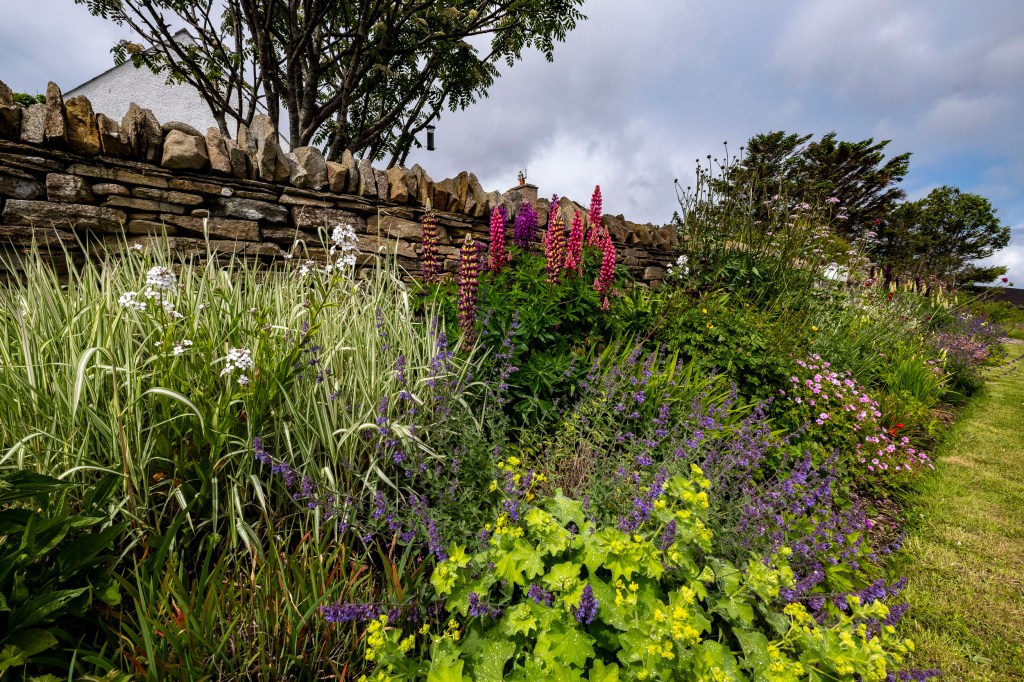
In the past I’ve mentioned the guerrilla garden, a vaguely deeded no-mans land strip of roadside verge that is part ours, part county councils. A home for spare plants and cuttings that has almost become an extension of the garden. A long narrow border that runs the length of the front garden stone dykes. It has had a narrow escape, the island is getting fibre broadband, a replacement for the aged copper wire that an engineer once cheerfully told me was about as useful as ‘wet string’. Fortunately the diggers laying the pipes for the cable went along the other side of the road, had they not, there would have been frantic days of lifting and subsequent replanting.
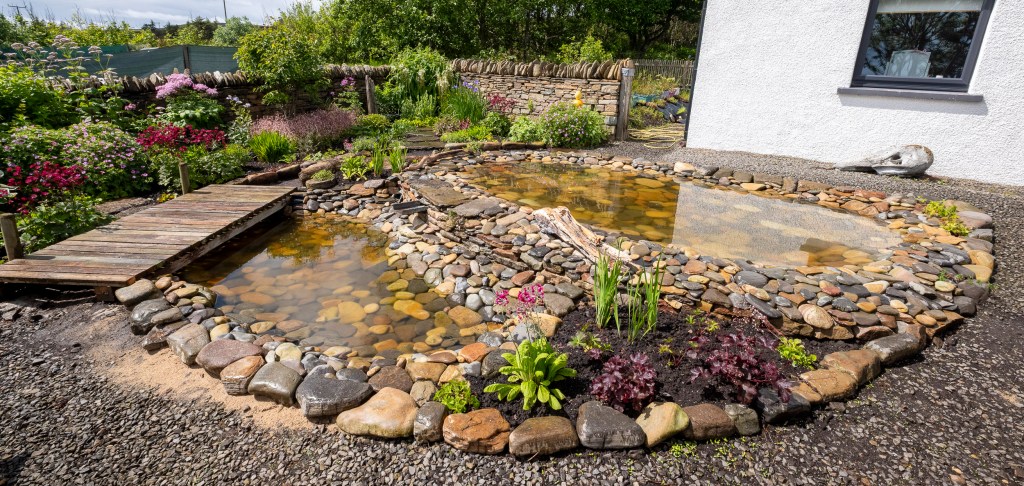
An on and off project for the past few weeks has been the digging of a new pond. When we started a garden here it was as much for wildlife as it was for humans, and the one thing that was always missed, was a pond. Three were dug in the meadow and they’ve proved to be a magnet for wildlife but the meadow was easy, ask kevin, the owner driver of an excavator working along the way, to trundle his machine across and a few hours later you have ponds. In the garden it’s more awkward, there’s shallow soil atop sandstone and a sloping site to contend with, both of which always put us off. In the end we girded our loins, gave up a front garden bed and dug two ponds, the soil as expected was shallow, in places barely a foot down before you hit solid stone. To cope with the slope the lowest side of the bigger pond was raised up with dug out spoil. Both were too shallow to backfill with soil, so each has been lined with sea-smoothed flat stones from the shore. A system is in place to fill them with rainwater from the house roof.
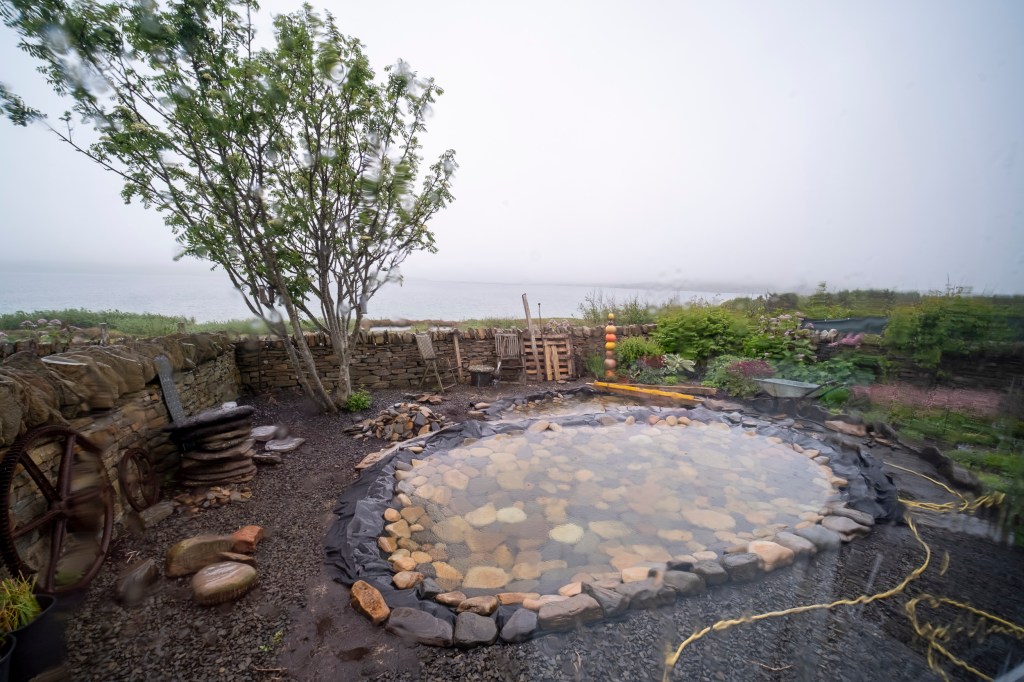
A pump has been added and a blade waterfall was priced up, two to three hundred pounds depending if copper or corten steel – Ow Much!! I bought one made of thick ABS plastic – twenty quid, and covered the visible bits with a piece copper picked up from a farm dump. Apart from the copper, which is nicely aged 🙂, it’s all a bit new at the moment but time and planting will take off the shininess. A few evenings ago a Frog was spotted sitting on a cobble, entering the water with a plop when I got too close, that single moment made it worth the effort.
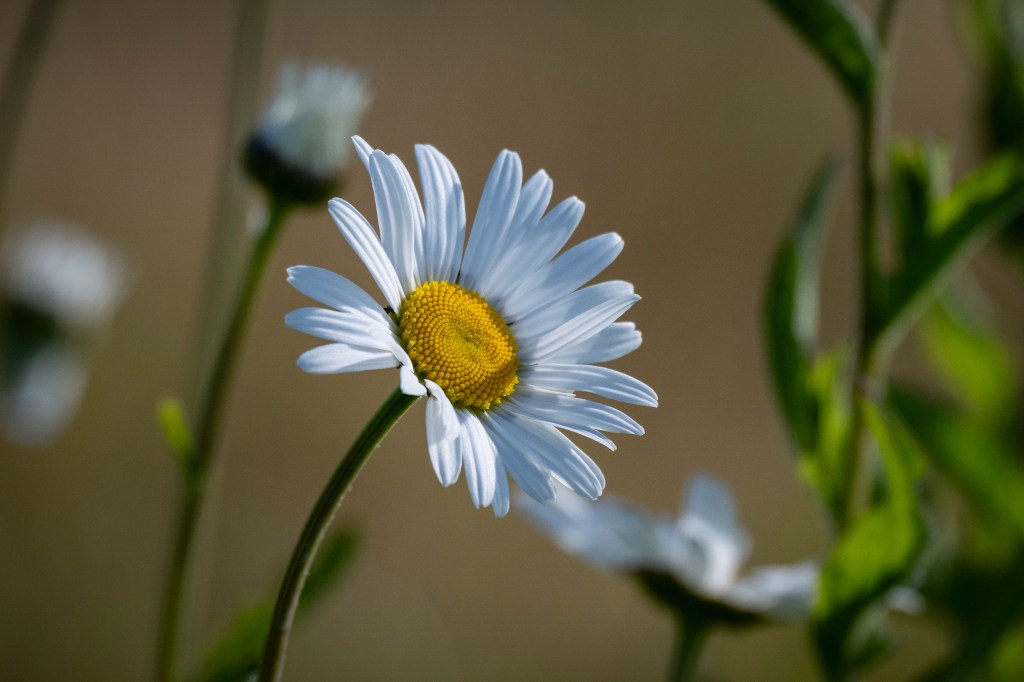
In the meadow it feels like mother nature is holding her breath, so many plants are on the cusp of flowering, we’re still waiting for the day, when suddenly one morning, you look across and there’s a sea of flower heads, nodding to the beat of the wind. There are a few early starters, damp loving ragged robin and water avens are open, in drier spots the first ox-eyes are unfurling, turning bright yellow faces to the sun.
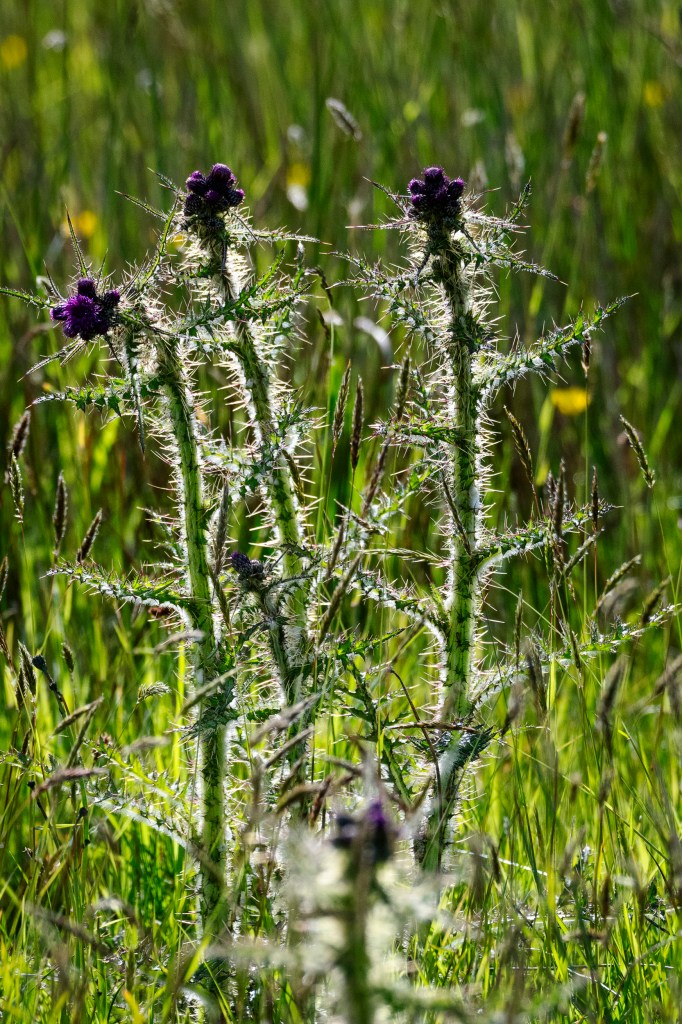
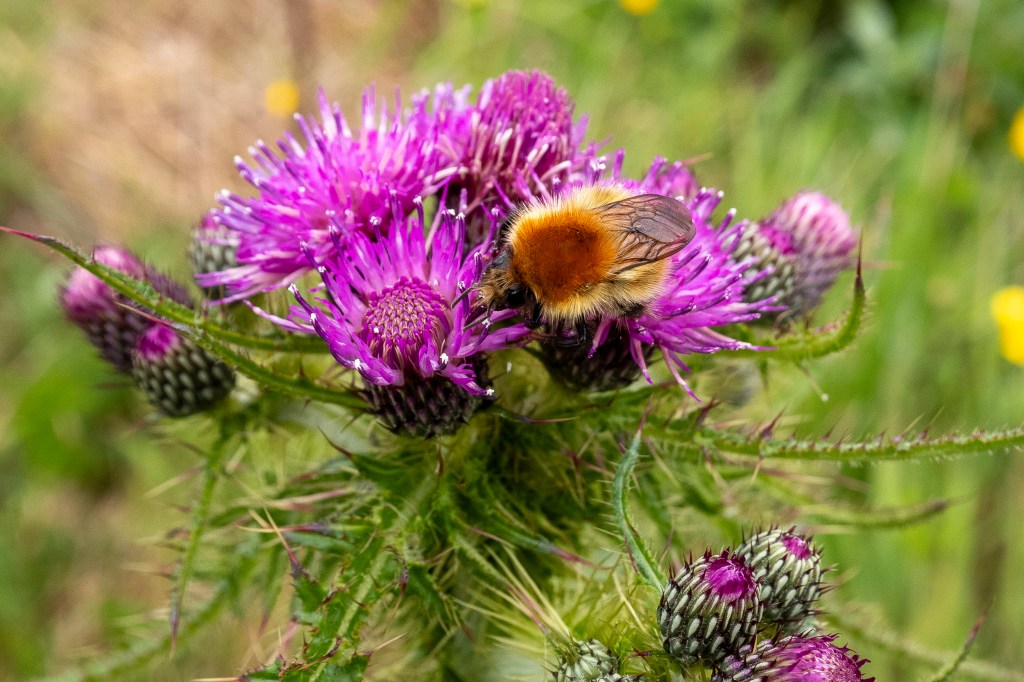
Wickedly spiked marsh thistles (pictured top) are also bursting open, capping their urn-like flower buds with starbursts of vivid pink. They’re a mixed blessing, great for bees and pollinators but very invasive. The only upside of their invasiveness is that for the first year they form a floret, flowering only in the second year. It’s an easy enough task, to slow their plans of field, if not world domination, to wander round now and then with an aptly named thistle spear, cutting the florets root at its base.
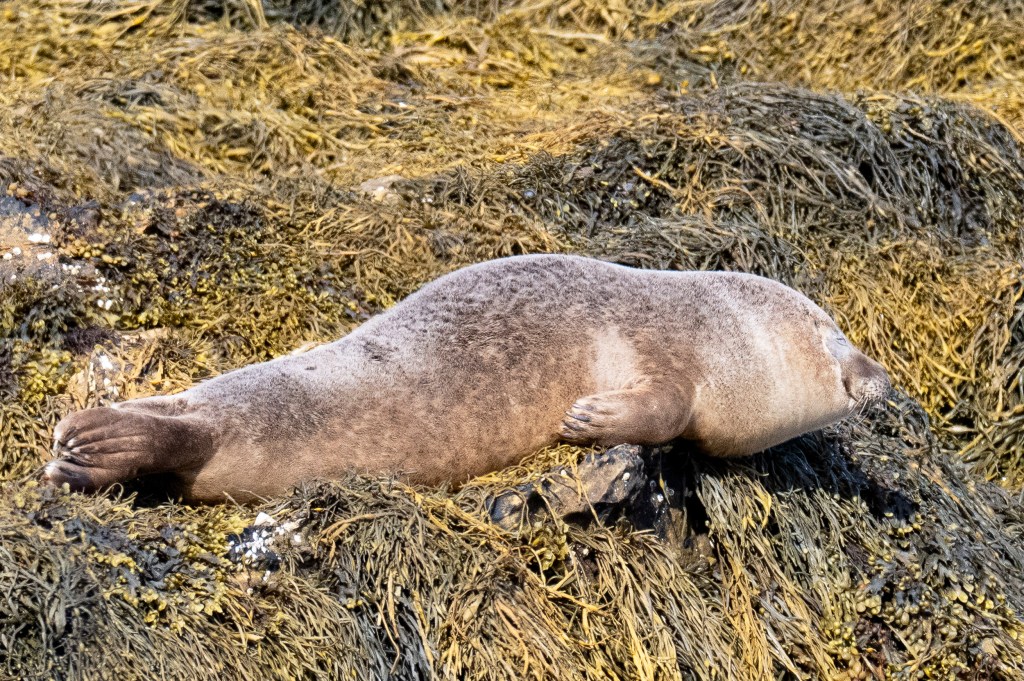
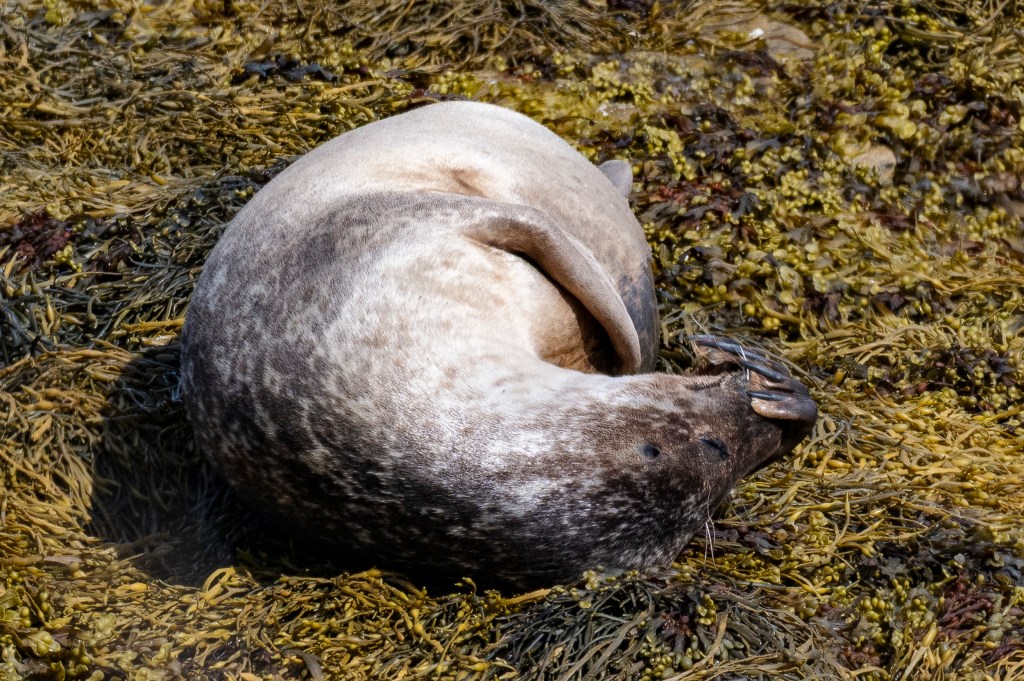
Below the meadow harbour seals are giving birth, we tend to leave them be, avoiding disturbing both pups and mothers for a few weeks, but can’t resist a quiet peek now and then. Hot days at low tide are best, when all, young and old, snooze the day away on a thin mattress of bladderwrack.
 A garden in Orkney
How beautiful is that pond. A work of art. Are you allowed to take stones from the shore? I thought it was illegal to remove anything from a UK beach.
LikeLiked by 1 person
Hi Jude
Thank you, it was definitely one of those “are we doing the right thing” jobs that worked out fine in the end.
In Orkney, and Shetland there’s Udal law, a Norse system of ownership where the owner of the adjacent land also owns the foreshore down to the lowest astrological tide mark, the opposite of most of the uk where I believe the crown owns everything below the high tide mark. If you don’t own the adjacent land technically you would need to ask the landowners permission to remove anything, even driftwood, but on a small island, as long as it’s not for commercial gain, it’s a given that the answer would be help yourself. With driftwood, if you can’t get it home straightaway, the rule is to just drag it above the high tide mark so others know that you have claimed it. What Udal law fortunately doesn’t do is deny access, the right to roam here applies equally to both the land and foreshore alike.
LikeLike
What a sensible system. I love the idea of dragging the driftwood 😂
LikeLiked by 1 person
Truly amazing and wonderful garden and environs 🍃💚😌 The Orkneys are a remarkable place.
LikeLiked by 1 person
Thank you, and you must revisit!
LikeLiked by 1 person
A lovely pond and just keeps getting better as you plant it. What a great thing that The Frog claimed it straightaway.
LikeLiked by 1 person
Hi Saila, hopefully there’ll be tadpoles next year.
LikeLike
Hi Gary, Lucky you to have some warmth, cloudy, drizzly and not too warm either, keeps being promised but never materialises …..boo. In spite, or even because of, my garden is looking fab. I grew ox-eye daisies from seed last year and they look gorgeous, really lighting up this grey, cloudy day. Today also I had new potatoes and broad beans from the garden for my lunch. New potatoes are the only ones I grow, they take up so much room in a small terrace garden, but nothing like them fresh from the garden with “lashings of butter!”. A pond is the best thing you can do for wild life and you’ve got three! Brilliant. I’ve got a Butler sink in which lived a frog for many years. Have a great week. x
LikeLiked by 1 person
Hi Margot
It’s still warm here but very mizzley today, it can’t quite decide between mist and rain, just come in from a walk on the shore and didn’t realise until I got indoors just how wet my T-shirt was.
I love Ox-eyes, a real harbinger of Summer, a few years ago, by accident, we must have brought some Sea Mayweed seeds home in a load of seaweed for compost, they pop up everywhere, a maritime equivalent of our ox-eyes. I’ll post a photo.
We do miss our veg plot, there’s nothing nicer than newly dug new potatoes, broad beans were our marmite veg, I like them, J hates them, probably a throwback to our school dinner days when they served broad beans the size of two bob bits that were as chewy as old shoe leather!
The pond was worth the graft, just wish we’d done it a few years ago when we could still get a mini-digger in the garden, it would have saved a lot of aching muscles 😀
Hope that sunshine arrives soon, have a good week x
LikeLike
I don’t know how I missed this last week!
So great to see pictures of your ponds after reading so much about them on the Guardian’s gardening column. The flat stones make them look so beautiful, but must represent a lot of work. I guess your foreshore is nature’s equivalent of a weights room in a gym.
To have it inhabited so quickly is wonderful. I wish you lots of future tadpoles.
LikeLiked by 1 person
Hi Penny
Happy Solstice! There is a gym on the island but for this tightwad lifting stones on the shore is cheaper 😀
We always regretted not putting a pond in the garden, better late than never. Whirligigs and Pond Skaters have turned up this week, how do they know? Native water lilies are in the post.
If we get tadpoles I’ll post proud Grandparent pics 🙃
LikeLiked by 1 person
I had to look up Whirligigs – thought they were the same as pond skaters, but seems they’re more rower than skater.
Ontario province is reinstating the old 1932 rail lines up north to Hudson’s Bay, that were once used for mining and fur trading . The last rebuilt section is being tested currently and when open this will mean I could get two trains the 1067km from Toronto to Moosonee (population 1,500), followed by a water taxi (in the summer only) to Moose Factory island in Moose Cree Nation territory, where John Rae was factor. I’d first have to take a 4 day sleeper train journey 4,173km from Vancouver to Toronto though.
John Rae travelled at least 7000 km from Kirkwall to get there by boat, dog sled and on foot. I think people were made of sterner stuff back then. I’m sure moving wood and stones on Orkney beaches must have contributed to that 🙂
Look forward to the pictures of your pool taddies – will you try putting them in your wellies like Kes did?
LikeLiked by 1 person
Hi Penny, you have to do that trip, I will be seriously envious if you do.
JR and his ilk were certainly made of sterner stuff, they must also have been so driven by that desire to see new worlds that were unknown to them. I always admired the way that he worked with and listened to the locals.
No dog or sled but this 143 sq Km island still has a long list of hidden lochs and geo’s that need to be personally ticked off, almost all have no tracks to them, a little bit of wilderness close to home. I do love it that although the Uk is a packed place I can walk somewhere here, revisit a month later, and only see my own boot prints from the month before.
Kes takes me back, loved the film and the book, my school days, we even had our own Mr Sugden.
With the world as it is you could probably sell tadpoles in wellies as the new “must Have” spa treatment 😀
LikeLike
revisit a month later, and only see my own boot prints from the month before.
I’m sure this is what made John Rae such a successful Moose Factory resident (and explorer).
Am reading a novel based on the Isle of Harris in the 1990s right now. It gives a really clear picture of island life – bonus, it’s about a tweed weaver: John of John by Douglas Stewart.
The book you recommended, H is for Hawk, was wonderful. The most moving description of grieving I’ve ever read and so interesting to learn about hawk training. Thanks!
LikeLiked by 1 person