Making a meadow.

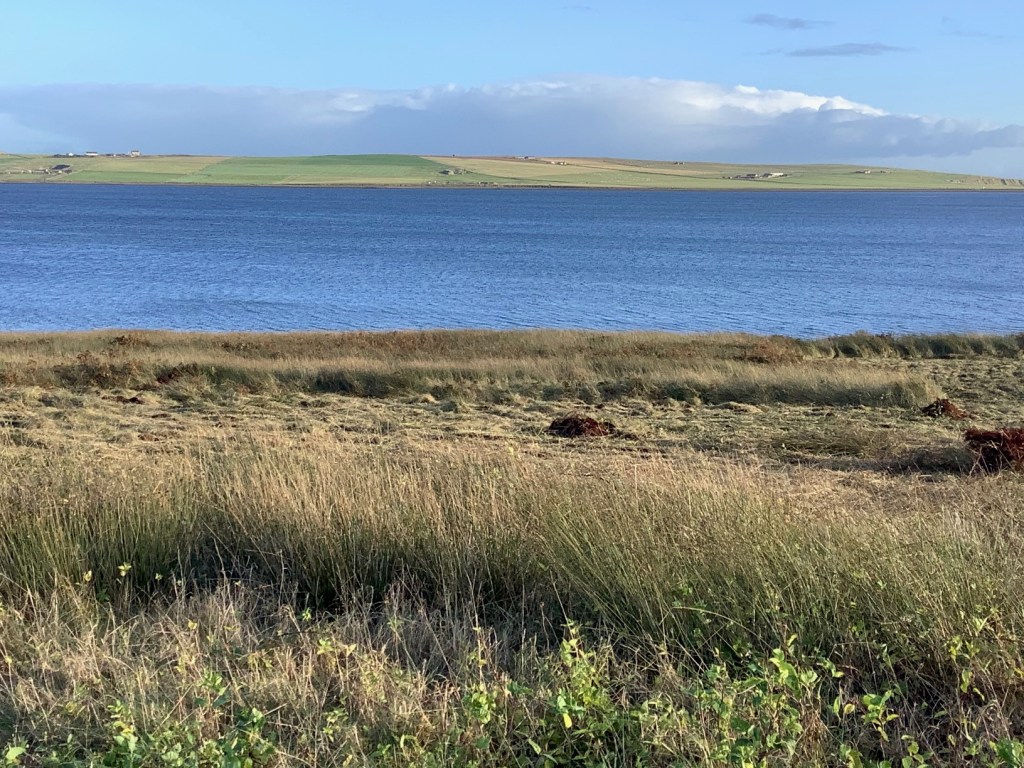
To the front of the house, between the front garden and the shore, there’s a field of around one and a half acres. In the days when this was a working croft it would have been summer grazing or hay, once full of wildflowers and life. As the land was decrofted and left unworked the field fell into disuse. Not mown or grazed within living memory it had over time rewilded itself into two main species, rush and common bent. There were also patches of brambles here and there and a bright pink honeysuckle, a garden variety, planted against a long collapsed shed, that had woven a web of twining stems across an area of the field. Despite not being touched for at least sixty years there were no trees or saplings to be seen. The only silver lining was the common bent, the farmers “poverty grass”, an indicator of poor soil. A good sign for a perennial meadow where low fertility generally aids wildflowers and hinders stronger growing grasses.

Year one, part mown and yet to be cleared.

The first task was to cut and clear it. The growth was waist high, walking across the field was akin to walking on a trampoline, so thick was the bouncy mattress of light stealing thatch that had built up over the years. We borrowed a power scythe, a walk behind machine that has a wide ground level cutter bar, a reciprocating blade that scissors off everything in its path. Once cut we cleared the field, raking and forking the grass and rush into long winrows. They snaked across the field. So tall they looked like berms, ready to repel a sea born invasion. 

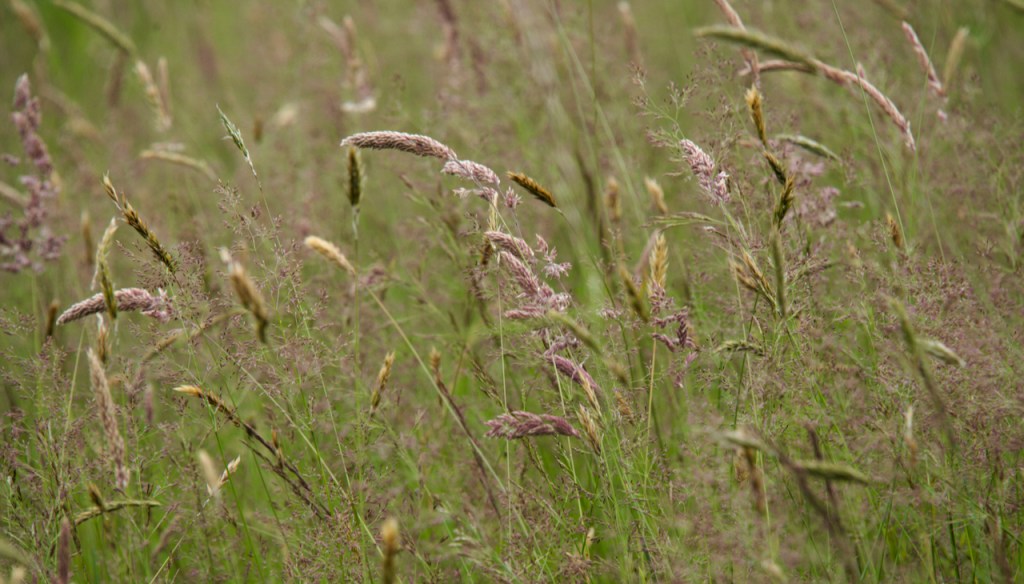
Once cut and cleared a mixture of grasses appeared.

In the first year, while the winrows rotted down to a volume that could be taken away, we ran a mower over  the meadow every two weeks or so, keeping new growth short and giving the meadows seed bank a chance to spring to life. The result was better than expected, different grasses appeared along with a wide variety of wildflower seedlings. In the second year we mowed until early may and then left the meadow be. That summer for the first time in decades the ground was lit gold with the yellows of cats ear and buttercup. In a wet spot sorrels flowered, from a distance the flowers of the closely packed plants giving the look of a haze of crimson smoke. Close to the shore a patch of meadowsweet came into its own, abundant with creamy white flower heads.

Meadowsweet grows close to the shore.

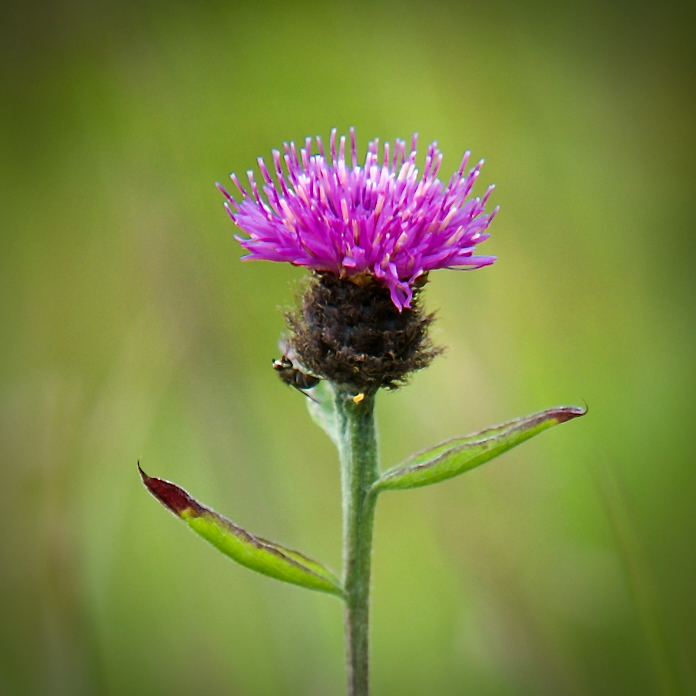
In addition to the species that have appeared naturally, other natives have been added, thousands of home grown plugs, ox-eye, yarrow, bedstraw, knapweeds and many more. Wood cranesbill, that, despite its name, is a plant of northern meadows, is a new addition for this year.

Knapweeds and other natives have been added.

Non natives that have turned up uninvited are also tolerated. Orange flowered montbretia, a plant that grows feral here, has a toe hold in places, as does alchamilla mollis. Lupins, once grown as a crop in Orkney, pop up now and then. Close to a boundary fence there’s a patch of sweet rocket. All are kept under control by early spring and late autumn mowing. Ditto the rushes, weakened by regular cutting they no longer grow in thick green knitting needle clumps. Ragged robin, water avens and other damp lovers have space now to grow and flower.

Ragged robin have established well, lovers of wet ground.

The meadow is still evolving. Trees have been added in small groups, alder, rowan, whitebeam and others. A sloping bank is dressed with young gorse. Close to the shore two ponds have been dug, there’s a coppice of grey leaved willow. More life has arrived, greylags nest in a quiet corner, last summer a pair of curlew were seen with fluff-ball chicks in tow. In winter snipe and oystercatcher arrive to prod and poke the earth. The grass from autumns annual mowing and clearing is piled in low haycocks close to the shore, left to dry and eventually rot. New homes for wood mice and fungi, somewhere for queen bumblebees to slumber away the winter.

Early summer, year three.

Snowdrops and showers.

The past  week brought mostly settled days, a mix of sunshine and showers. The gales that have dominated the weather since Christmas were noticed by their absence. Thursday threw a spoiler, heavy rain, a grey wet shroud of a day. Willow buds are thickening, on the cusp of bursting open, lifeline pollen and nectar for early flying  bumblebees. The first snowdrops have flowered.

Snowdrops and showers.

A fence of driftwood and alder was finished, a simple zig-zag that draws a line where a back garden border ends and a newly planted area of trees begins. With one fence finished another was started, there’s an area at the side of the house, currently the spot where we store young trees, where we eventually plan to go all Derek Jarman, driftwood and stone and finds from the shore. The first step, a fence of salvaged sweet chestnut pales is in progress, the pales, already silvered by sun and salt air, will sit well, back garden perennials on one side, a garden of gravel from the shore on the other.

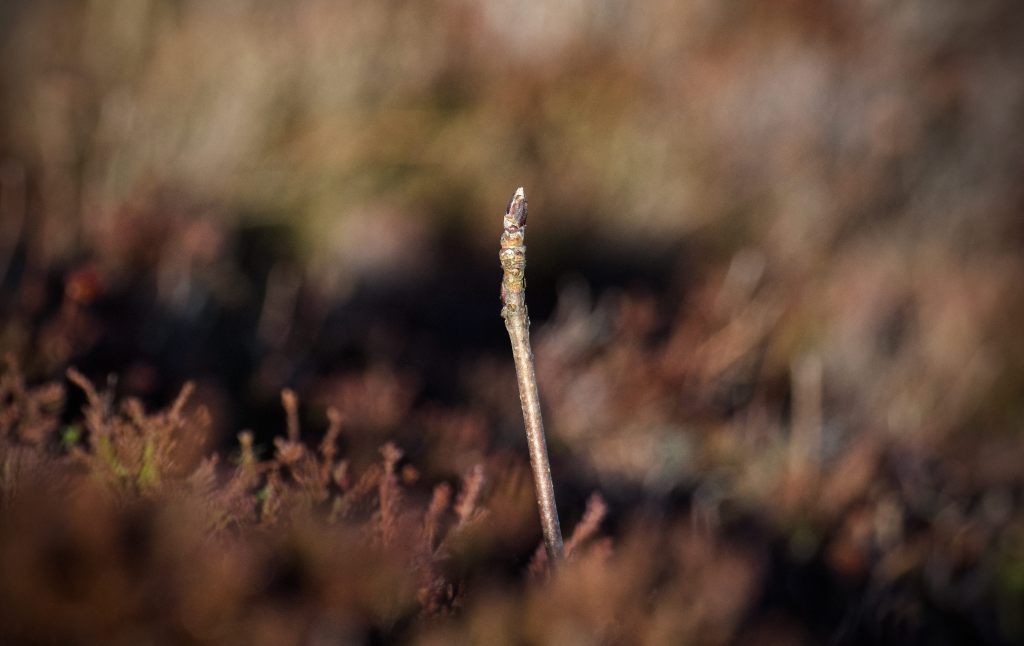
Willow buds.

Greylag geese have taken a liking to the meadow, a dozen birds are here most days now. They’re getting used to our coming and goings. A fortnight ago they would fly off, honking and complaining, if we went anywhere near, now they just walk away, head cocked to one side to make sure you aren’t following. 

Eider ducks are being seen on the bay, absent for most of the winter they are starting to return for the summer. A string of males and females were seen, flying in line, skimming the swell before settling far out on the water. They nest on the moor at the back of the house. In past times the nest sites would be marked, after the eggs had hatched the soft breast feather nest lining would be collected for eiderdown filling. Their latin name of somateria mollissima is a perfect fit; somateria – body wool, molliissima – very soft.

Angelica seed head.

Last year at the bottom of the meadow close to where the ground falls steeply to the shore wild angelica appeared among rushes planted with young willow coppice. A few self sown plants dotted here and there. Their seed heads are still standing, the seed, cast to the ground by autumn gales is starting to germinate, dozens of tiny seedlings dotted amongst the shelter of the rushes. We’ll transplant a few and leave the rest be.

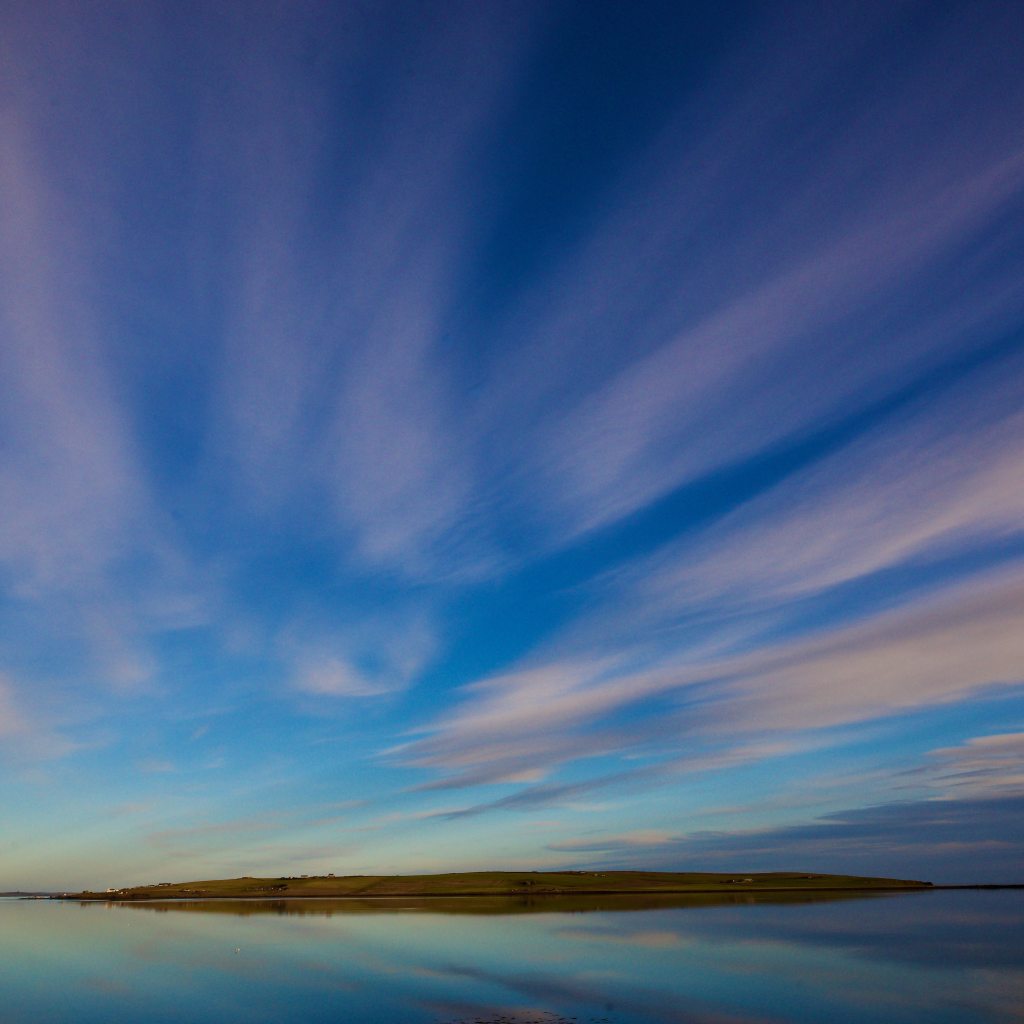
The past week brought mostly settled days. Late afternoon, towards South Walls.

Front gardens.

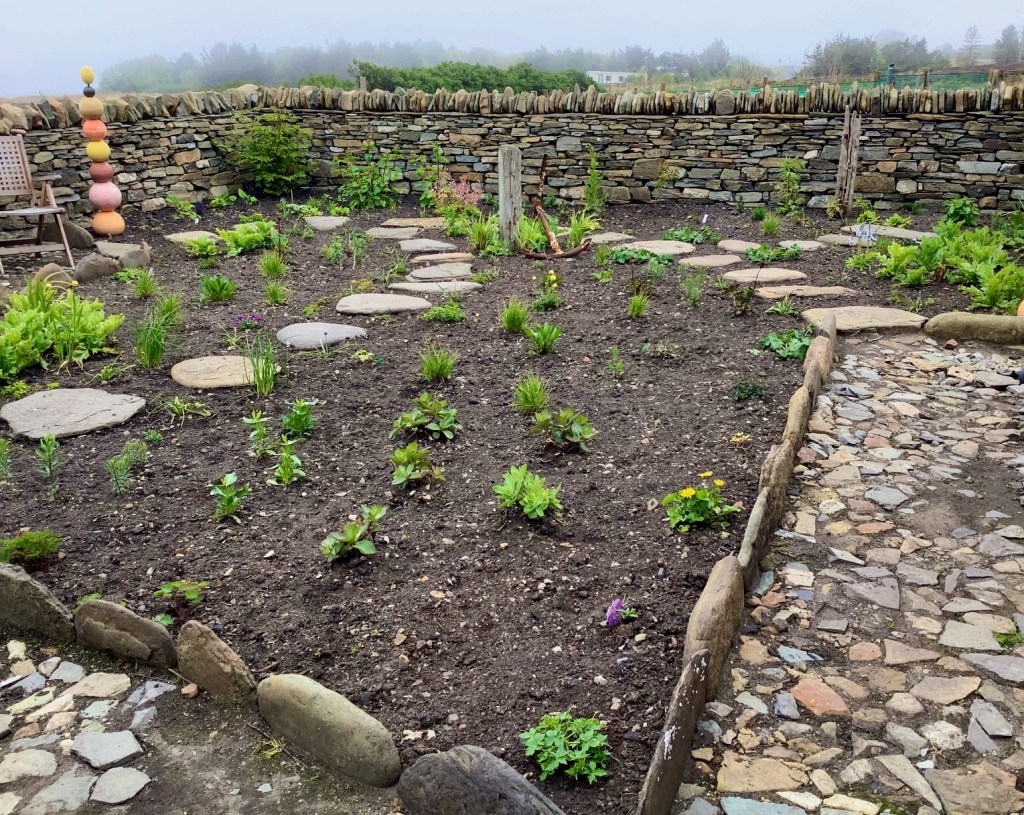
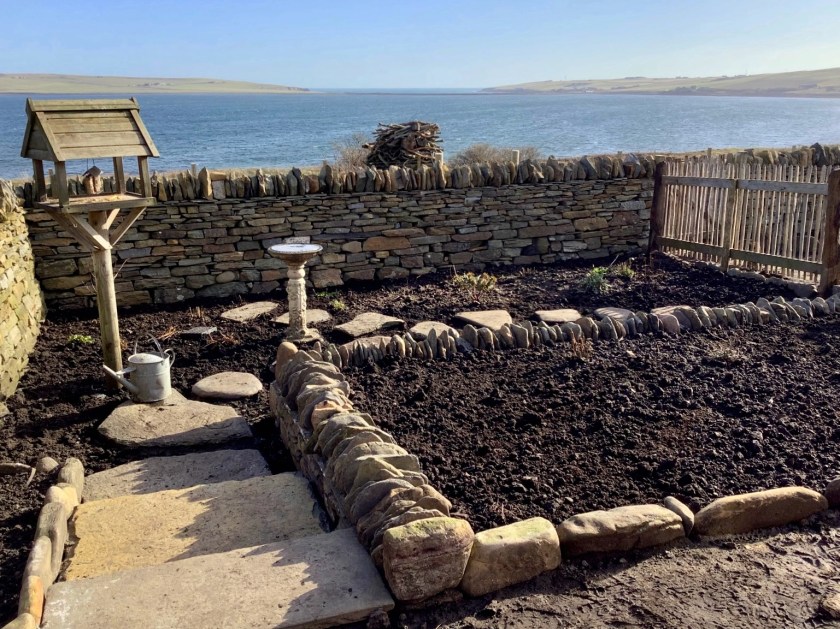
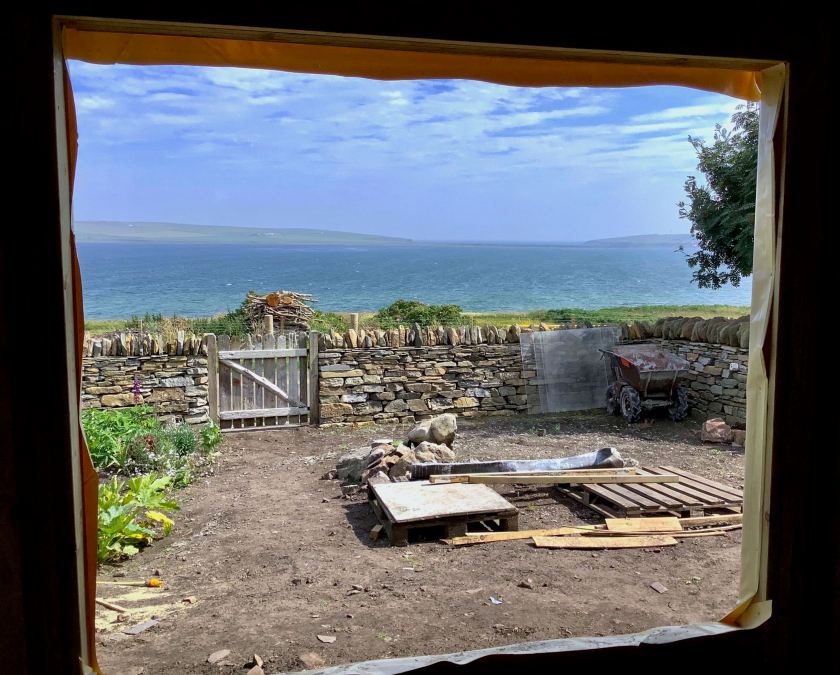
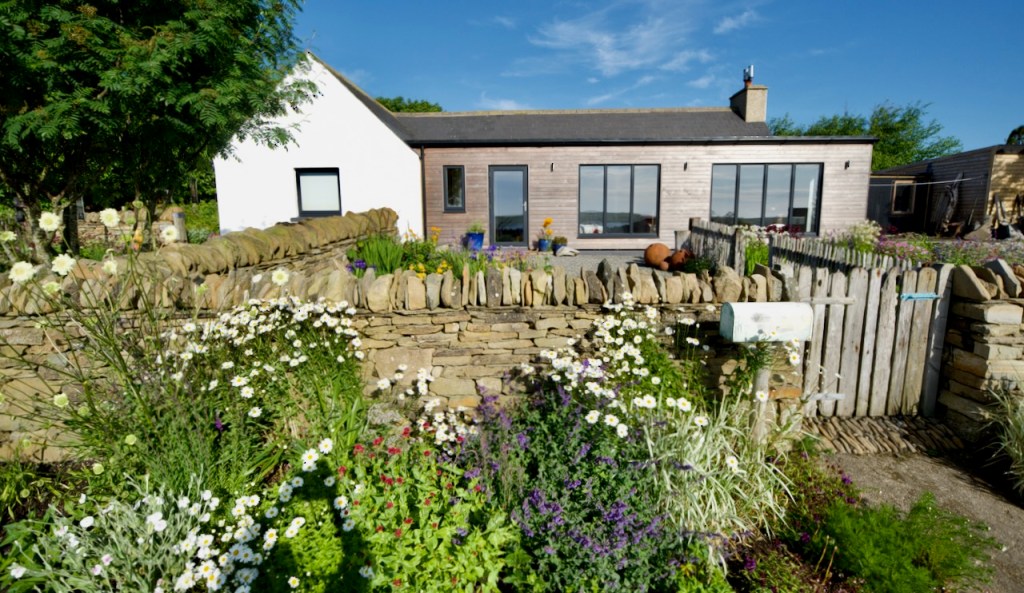
With dry-stone dykes built we started on the front garden space. As mentioned in the previous post, a third of the area had been walled on four sides. A nod to a kailyard, traditionally the spot where crofters would grow veg. The stone dykes giving protection from both the wind and from wandering livestock.

We started in the kailyard first. The plan was to have a single border taking up most of the space. To one side a stone chip path would allow access to the rear garden with another area of chips giving both somewhere to sit and also allowing the ground beneath an inherited and shallow rooted rowan to remain undisturbed.

With the border marked out and edged with sea worn stones from the shore, Jacqui dusted off her spade and started to dig. At the side of her a dumper, a wheelbarrow and a sack barrow, the dumper for unearthed stone suitable for walling, the barrow for smaller stone, the sack barrow for stone too heavy to lift.

As the kailyard progressed, a small extension was also being built on the front of the house. The area in front of the extension makes up the rest of the front garden space. Once the extension was built, work also started on this area.

During the digging of the extension foundations, I’d tracked a mini-digger and dumper over the ground that would become garden, so once again more somme than garden. It sloped awkwardly on the left side so we decided to split the space with a simple driftwood and chestnut pale fence. The left side would be terraced to lose the slope and give instead a raised bed and a sunken area.

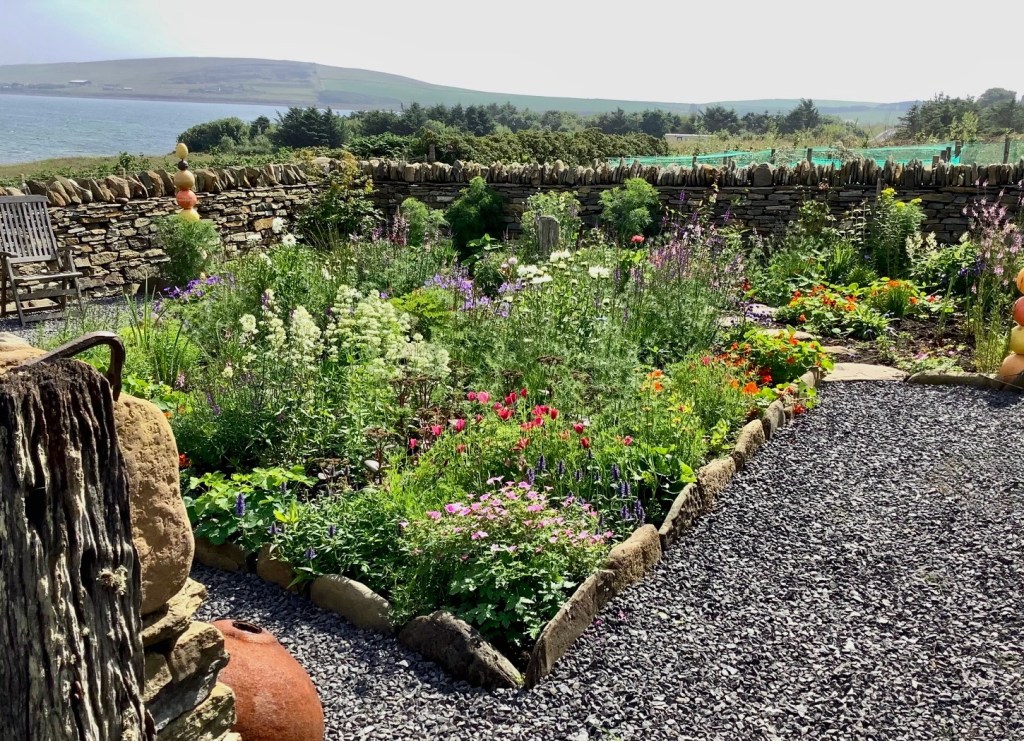
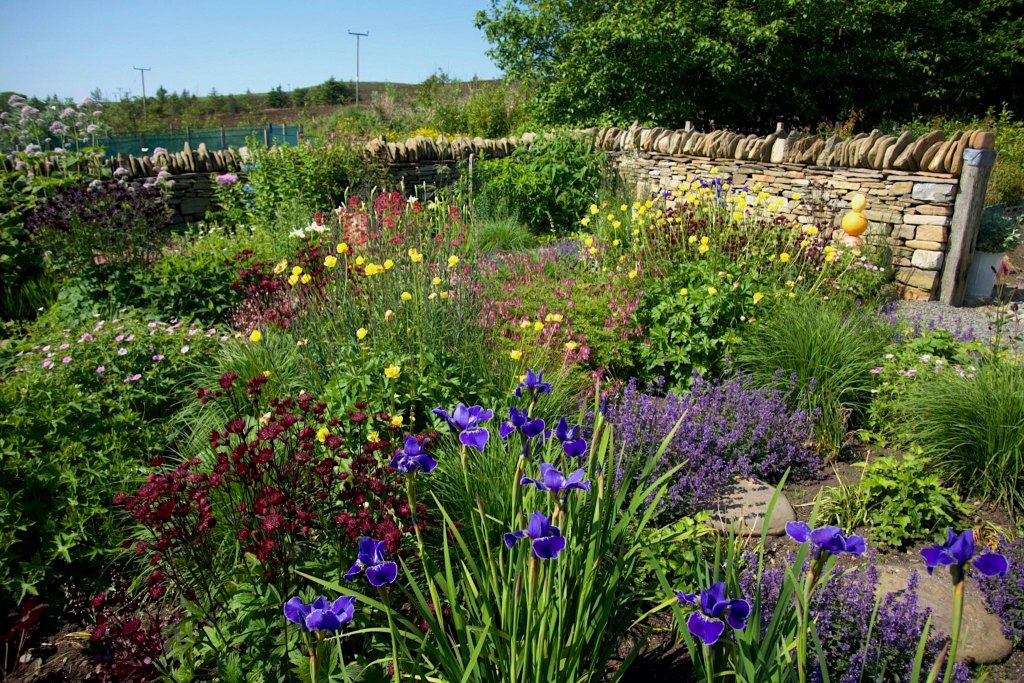
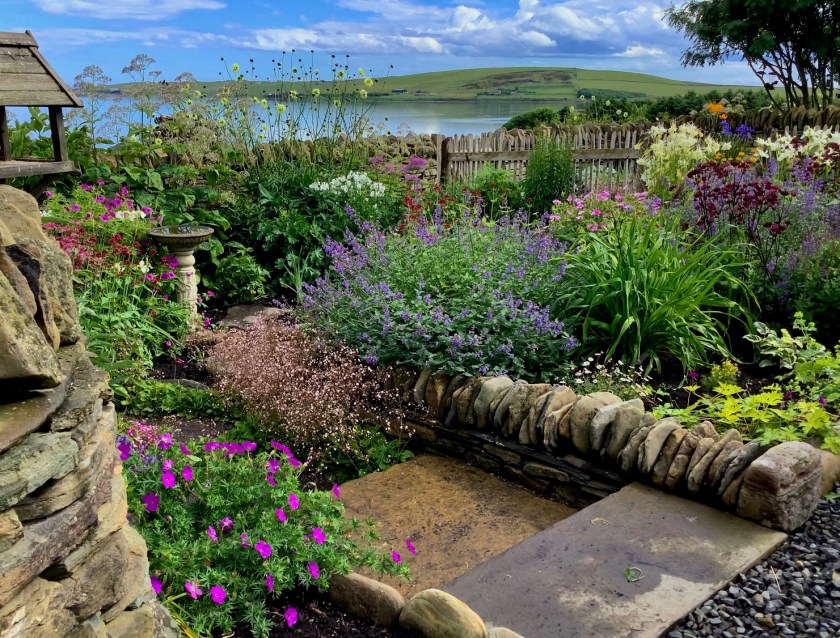
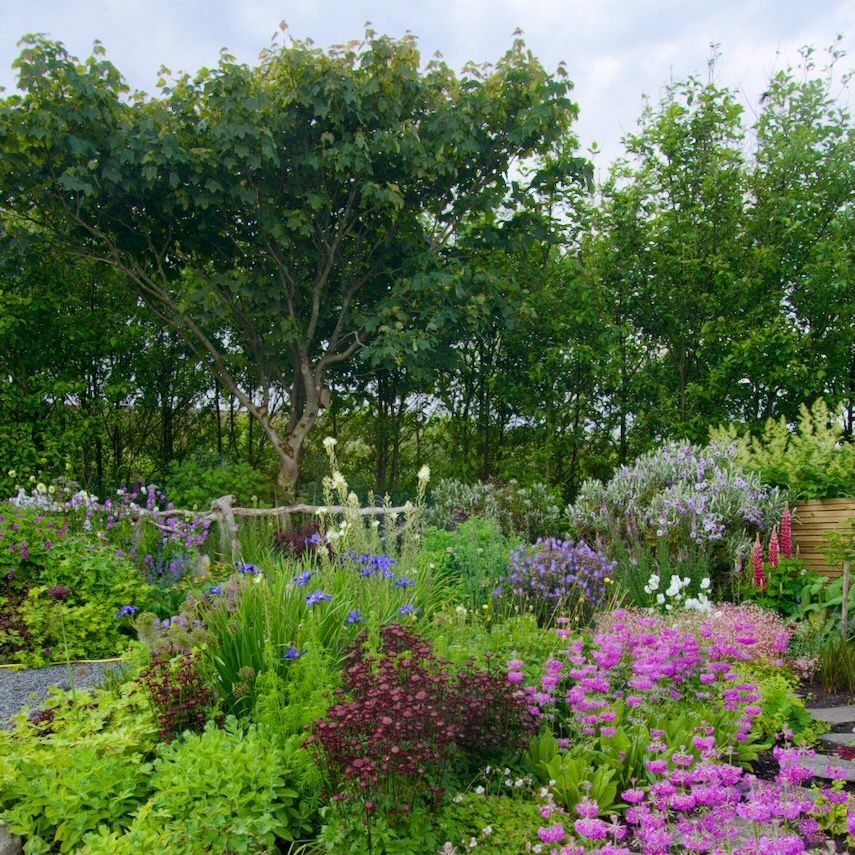
With the kailyard and front gardens laid out and dug Jacqui started to plant them up, the real gardener out of the two of us. Despite the poor soil within the space of two summers with her care and attention each area has filled with colour. A mix of annuals and perennials, both damp and dry lovers, all rubbing along together. Alive with bees and butterflies.

Dry-stone dykes.

With progress on the rear garden well on its way, thoughts turned to the garden at the front of the house. A long narrow oblong perhaps ten paces deep by forty paces long.

Making a start.

We had inherited stone dykes that ran around three sides of the space. It should be said that in Scotland a dyke is a wall, in England a wide ditch. A friend remembers them being built, unfortunately despite being only a few decades old they hadn’t stood the test of time. With no through stones to tie the sides together and an infill of soil rather than packed stone, those that hadn’t already collapsed were well on the way.
The old dykes would be rebuilt and new dykes would be added. In a nod to local history one third of the space would become a Kailyard, a crofters vegetable garden, enclosed on all sides for shelter. Although in our case flowers, not veg, would be grown. The rest would become an oblong garden, split into two halves by a simple driftwood fence. A garden for a yet to be built extension.

The Kailyard. The foreground wall has yet to get its pennies.

Existing walls were dismantled. The stone, roughly graded into thicknesses, laid out in rows along the ground. Long stones suitable for ties were put to one side. Anything roughly triangular was thrown into a separate pile, these would be the ‘pennies’, the upright top stones that cap the finished dyke. A favourite job, there’s a rhythm to the work, a steady progress as the day goes on. A knowledge that if done well the dyke will long outlive its builder.

In progress.

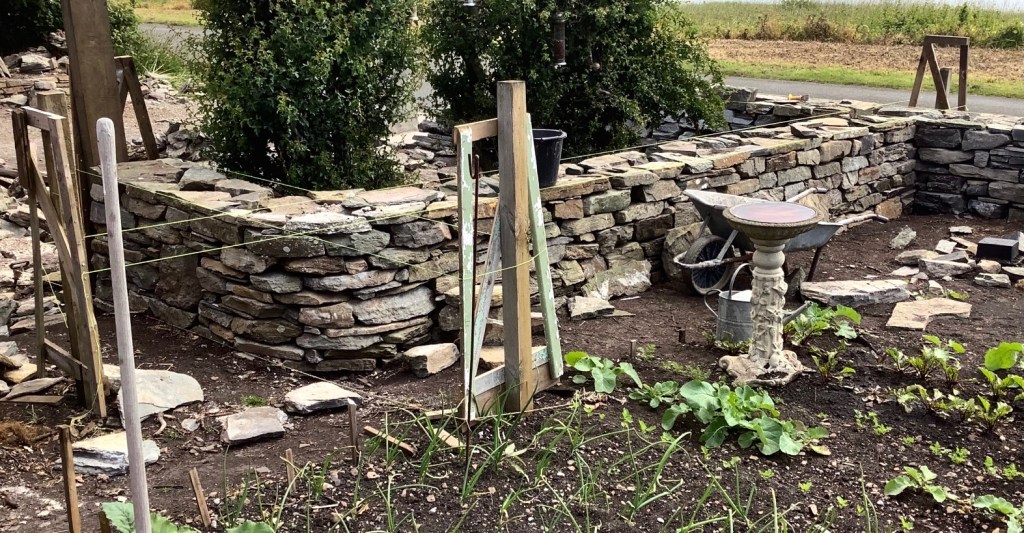
‘A’ frames were made of scrap timber and fastened to old fence stabs driven into the ground. Having never built a dyke before moving to Orkney, but since then having built them here and there all over the island, the early lesson you learn for a brand new dyke is to spend time running out strings between frames.

‘A’ frames keep the line and camber.

The frames keep you on track with the profile of the wall as it is built but before a stone is laid they also help visualise the finished dyke. A top string pulled tight between frames tells instantly whether the dyke should be level or allowed to slope to follow the camber of the ground.

A slab from the shore makes a handy stop end.

We built them in 2020. Lockdown year. Since then they’ve mellowed. The newness already weathering away. Wrens have nested in a cranny. Wood mice live in the lower storeys. Stand still in the kailyard and they’ll run around your feet, picking up seed spilt from bird feeders that hang from a Rowan.

Three years on, softened by time and planting.

A cold start to the day…

This morning we woke to snow. Heavy overnight showers born on bitter air drawn down from the north. The weather changed by the minute, bright sun, heavy skies. Snow showers that stole the view.

We took a walk along the road and then followed a track up onto the moor, towards the valley of Heldale. A merlin and hen harrier were seen. The merlin dark and dashing, the harrier taking her time, quartering the white over ground, hoping for an unlucky stonechat or pipit.

Garden sycamore and a half finished fence of alder thinnings

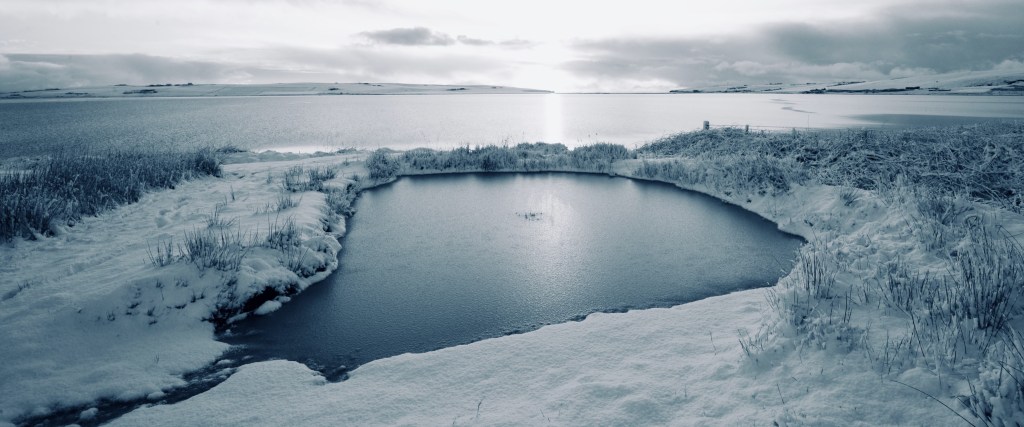
A pond in the meadow.

North Bay
Stock fence and falling snow

Butt & Ben – a traditional two room croft house.

Towards Heldale

Geese and long shadows.

The past week saw a mixed bag of weather. Monday and Tuesday dawning dry and bright, light winds and blue skies. Wednesday brought gales and cancelled ferries. A small respite on Thursday and then more of the same, the gales are set to run out of steam by lunchtime today.

Days are drawing out, light now by eight and dusk by four thirty, a month ago dusk would start to draw a veil over the day at not much after three. Despite the longer days the sun still sits low in the sky. Morning and afternoon light casting long shadows.

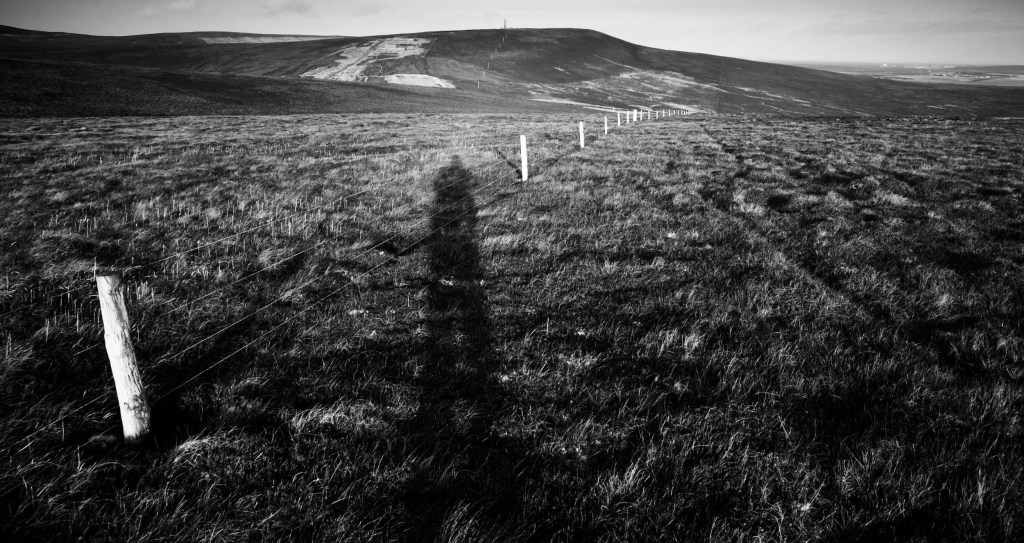
Long shadows and a fence to nowhere, Heldale.

In the garden, gales permitting, we started to thin out shelter belt alders, choosing the thinnest, those that were being overshadowed by stronger siblings. Giving space for the others to thicken and grow. Nearest to the garden, where space allows, we’ll now start to add other species, pink flowering ribes sanguineum for early flying bumblebees, amelanchier canadensis for autumn colour. Both have proved to be hardy here.

The thin alder trunks have been put to good use. At the southern edge of the rear garden a simple zig-zag fence has been started, a divider between a shady border and a small in progress copse of trees. Not a barrier, just a full stop for the eye, the garden ends here.

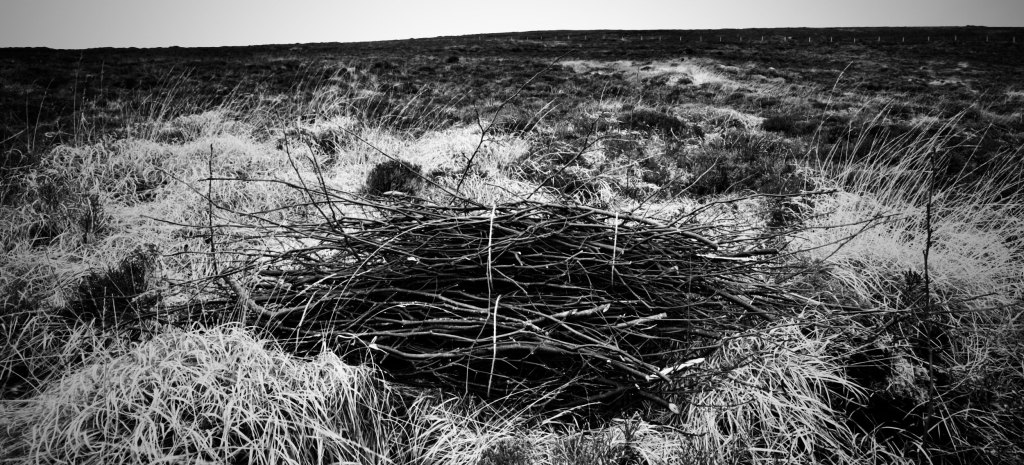
The brash, tied in bundles, was placed here and there among rough grasses at the edge of the moor. A haunt of Stonechats and Meadow Pipits. In spring the males of the latter rise like larks before slowly falling back earthwards like a leaf on a still autumn day, a display flight for the ladies of the species. They nest among tussocks and may well set up home beneath the twiggy brash, if not, a lair for spiders and others.

Brash for birds or bugs.

As the first bundles were placed four Red grouse were flushed, bursting away, skimming the heather at sheeps back height. Birds that are often heard here but rarely seen.

Greylags visited the meadow, grazing the short mown sward before dozing away the afternoon. At least one bird always on guard, head up and alert, honking a low warning if we were spotted in the garden.

Greylags visit the meadow.

Making a garden.

Early days. 2019.

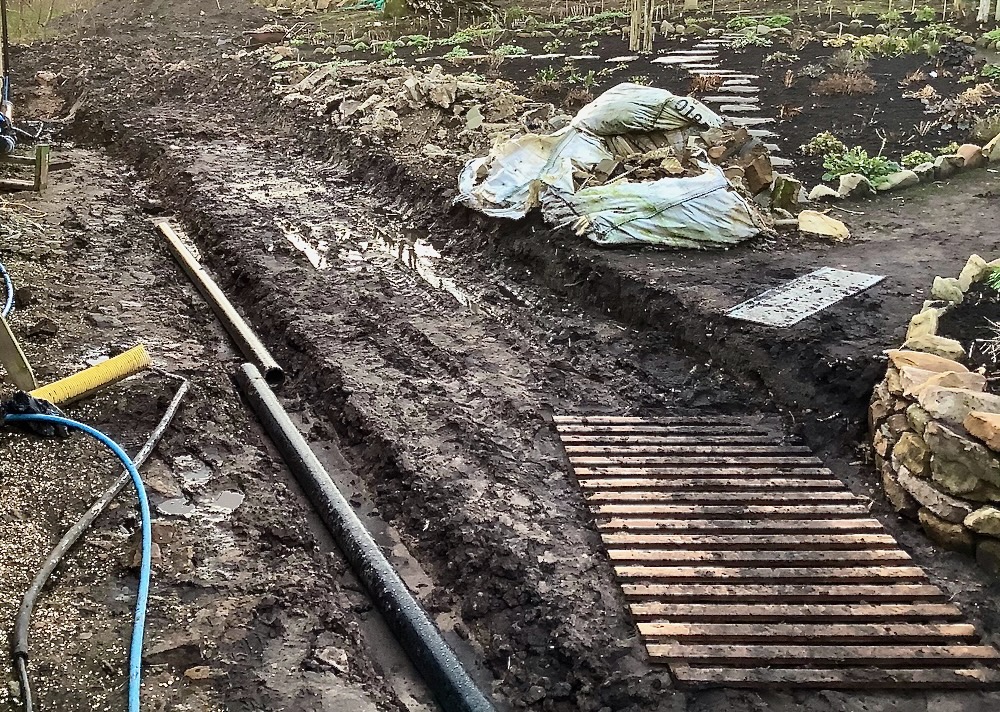
With shelter belt trees planted we started on the rear garden. Brambles, Docks and Osiers, a type of willow that in summer would grow to eight feet, only to scorch black in autumn gales, were cut back with a flail mower. After that the roots of the osiers and brambles, and of anything else planted by previous owners that had succumbed to salt laden gales, were grubbed up with a hired mini digger. All were pushed and pulled into a long mound at the edge of the moor. A low ugly bonfire perhaps ten paces deep and sixty long. We didn’t light it up and within a year or two mother nature had, as we had hoped, transformed it from bonfire to rich habitat. Honeysuckle and re-rooted bramble scramble over and through it, spikes of pink foxgloves stretch up for the light. Rotting roots sprout half a dozen colours of fungi. A spot for Starlings to rest and gossip and where visiting Woodcock quietly while away the daylight hours. A place for warblers and others to weave secret nests.

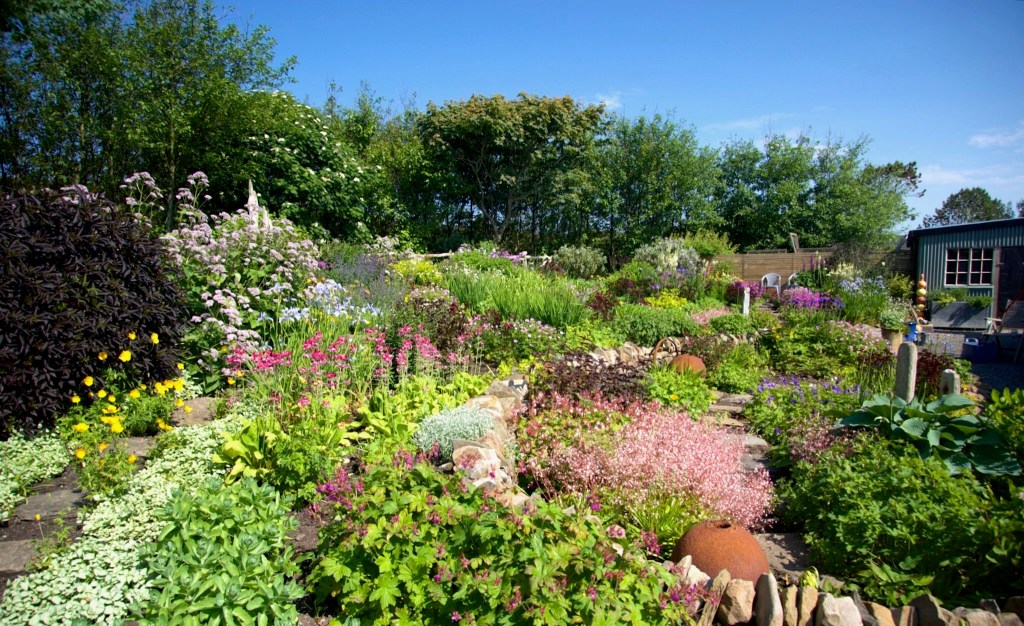
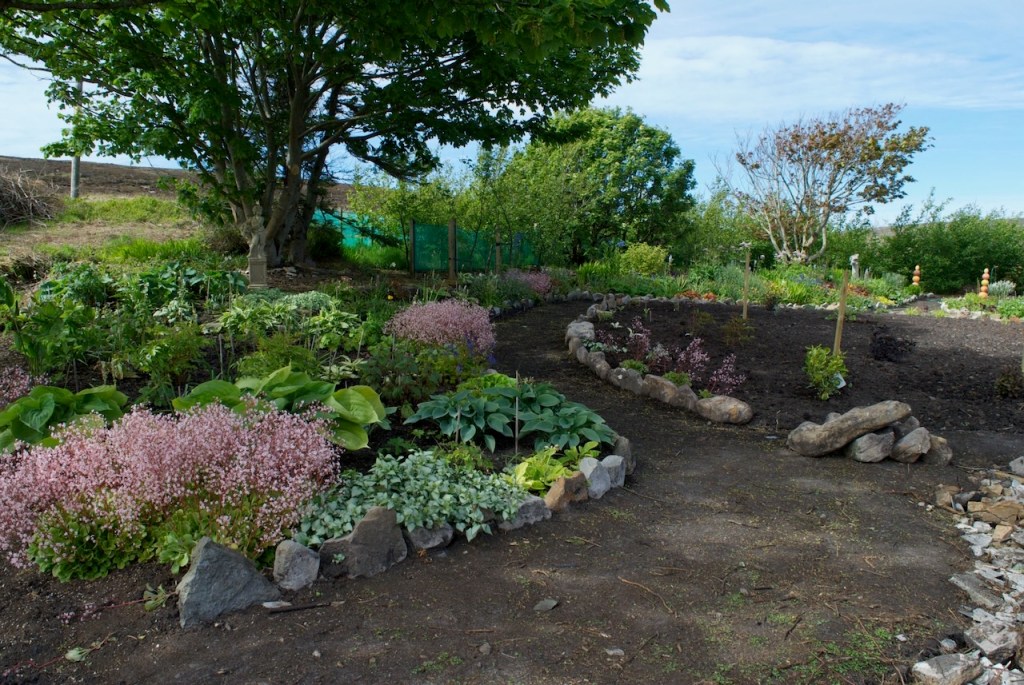
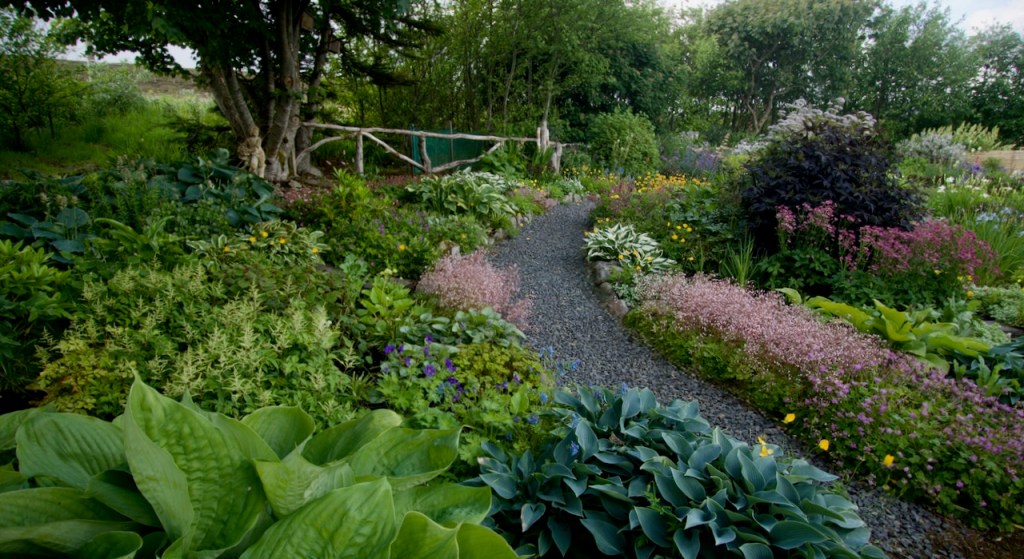
The ground slopes upwards away from the house, a simple curving wall of stone salvaged from the garden was built to give a terrace that softened the slope. Higher up the garden we planned a single curving path. This and the low wall would divide the garden into three, rising from east to west. A level area near the house, a large central border above the terrace wall and another long and narrow border between new path and shelter belt. The southern edge of the garden would become a shady border, courtesy of the sycamores. The path was roughly marked out with a hose. When we were happy with the shape, the hose stayed in place as a guide for more salvaged stone to be set for path edges. Paths themselves would be stone chips, quarried in Orkney and delivered in a single sixteen tonne bulk load, enough to leave a few tonnes spare for topping up as time goes on. Borders were to be as wide as possible, with stepping stones, either flat sea worn slabs or caithness slate, weaving through them and giving access. The following photographs show progress to the summer of 2023. With the exception of the load of stone chips all the materials for the garden were free, some salvaged, some from the garden, some from the shore.

Gimme shelter.

Before a rear garden could be started we needed to give it shelter. Something to filter 60mph summer curve ball gales. As mentioned in a previous post we inherited a few trees, the oldest are two coppiced sycamores at the western edge of what would become the garden. There’s also a younger purple leaved sycamore that lives up to its name only in spring, leaves that unfurl a warm purple bronze turning green by mid-summer. To the north there’s a small group of conifers, larch and sitka spruce, tucked among them a spindly and very out of place for here horse chestnut, perhaps bought as a sapling further south and brought home, perhaps grown from a conker slipped into a holiday pocket. An old rowan also sits on the edge of what is now the rear garden. A testament to stubborn survival, the first eight feet of its gale blown trunk lies horizontally along the ground, over the years new growth has sprung from it to give a multi-stemmed tree. Almost as wide as it is tall, branches thick with moss and lichen.

Lichens and Mosses cover the old Rowan

The old adage is that the best time to plant a tree is twenty years ago, for Orkney probably forty. We needed something that would grow quickly, filling the gaps that allowed winds to race in off the moor unhindered. We’d settled on a grey leaved willow, salix hookeriana, a native of the west coast of America. Although it grows well in Orkney, and like most willows strikes easily from cuttings, a downer is that once it reaches a height it has a habit of snapping in the wind. We would have to plant them in rows like redcoats waiting for battle, coppicing each row on a staggered cycle before the wind did it for us.

A visit to a Mainland nursery turned this on its head. We got chatting to the owner who took us to the edge of his just as exposed as ours garden, he pointed out a tall Red Alder and asked for a guess of its age-15/20 years?. The answer was seven, he had two hundred spare, end of season, eighteen inches tall and a £1 each, “how many did we want?” We managed to fit all two hundred in the car.

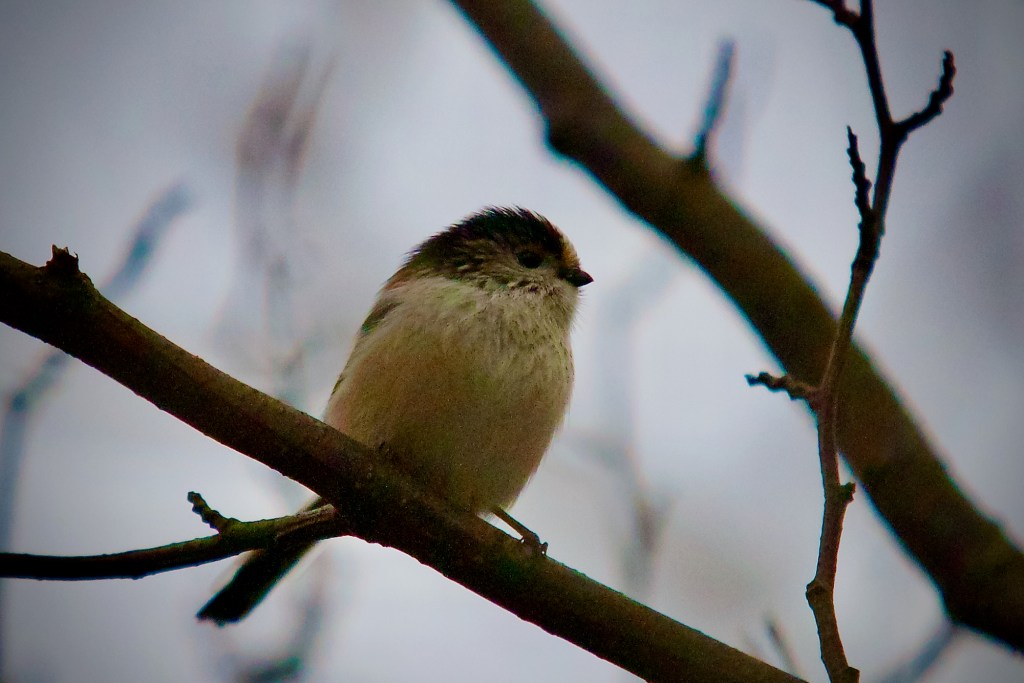
As they grow they bring more life to the garden. In the leaf litter Foxgloves and Celandines turned up unbidden. Bird sown brambles weave among them. Wild garlic, cadged from a garden across the bay, is slowly spreading. In autumn Siskins hang like acrobats from ripe cones, this week a group of Long tailed tits, a volery, flitted among them.

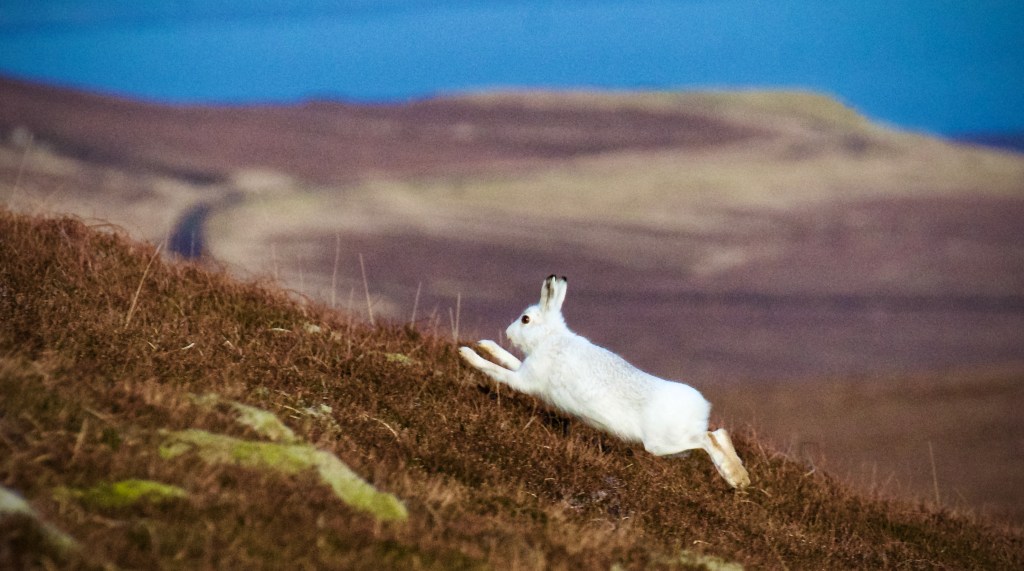
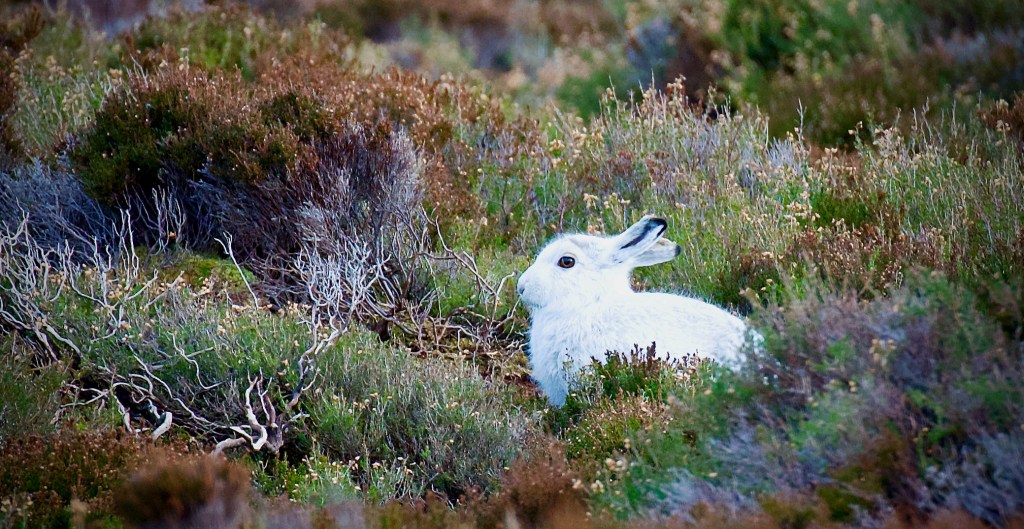
The old Rowan now wrapped on three sides by sheltering Alders is putting on new growth, heavy with berries in autumn. Each spring, in the leaf litter below it, a gift of dozens of thumb high seedlings. Potted on for a year or two before going out to new homes, tucked low among the heathers up on the hill. If lucky they’ll dodge the gales and Mountain Hares and decades from now their branches will also hang thick with moss and lichen.

Long tailed tits pay a visit.

Fieldfares and snow.

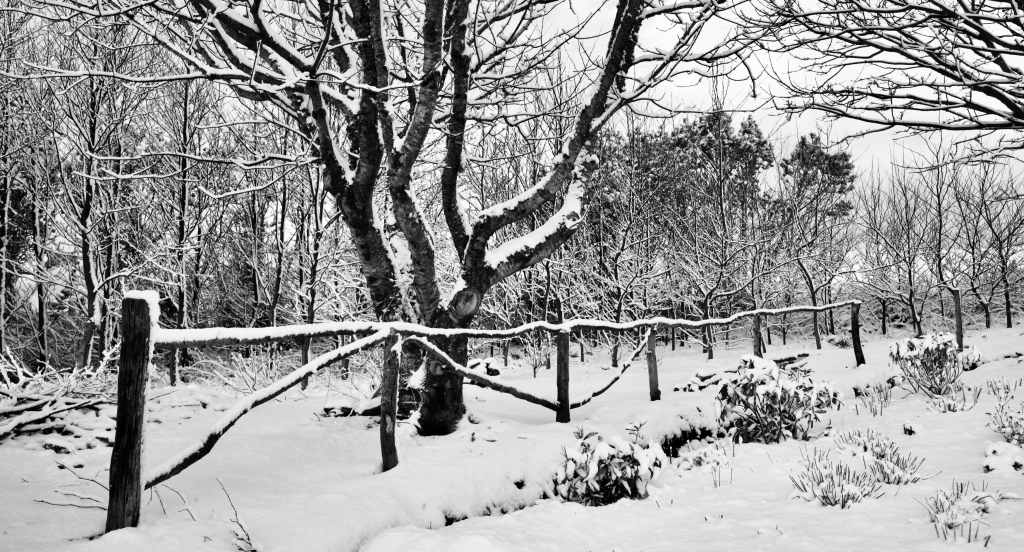
Front garden snow

The past week brought bitter cold. A bright still day saw a rime of ice form on the bay below the meadow, a phenomenon seen only at slack tide on the calmest and coldest of days. Two burns that rush rainwater from the hills to the shore empty close by, a calm sea allows freshwater to float on heavier saltwater. Ice as thin and clear as polythene stretching out a dozen yards from the shore. Most days though brought grey skies, snow and northerly winds. The snow drifting in places and keeping the islands gritter wagon busy, each morning distant spinning orange cab top lights giving away his pre-dawn route.

South Walls from the garden gate.

Plans to thin out shelter belt Alders were put on hold, planted five years ago at a stride or two spacings the strongest are now shading out the weakest. The best as thick as your thigh, the worst thin as your wrist. They won’t be wasted, twiggy branches will be saved for summer plant supports, thinner witches broom brash tied in bundles will go in a stack at the edge of the trees, a new des res for woodlice and beetles. The thin arrow straight trunks will be saved for a simple garden edge criss cross fence, hung between salvaged from the shore driftwood posts.

The cold brought Fieldfares to the garden. A small flock of perhaps fifty birds quietly dropping into the Sycamores during a fall of snow. Half apples on rebar put out for Blackbirds proved to be Fieldfare magnets. With a single bird playing king of the castle more apples were offered, dropped at intervals along a garden path as if someone had walked past with a bag with a hole in it.

Fieldfares pay a visit.

The thaw came yesterday. Milder air and rain carried in on strengthening south-westerlies. Harbingers of soon to arrive storm Isha. Snow slid in sheets off the skylights and roof. The garden turned back to dark earth. The ditch where garden meets moor is running the colour of strong tea, melting snow filtered through peat.

The Fieldfares left with the snow, back to their more usual haunts of pasture and coastal heath. Living up to their old anglo-saxon name, feldware, traveller of the fields.

Hoy

Hoy is the second largest island in the Orkney archipelago. Mainland, where you’ll find Stromness with its cobbled streets and Kirkwall with its Cathedral being the largest. The population of Mainland is around twenty thousand, for Hoy around four hundred.

Hoy has two parishes, Hoy and North & South Walls. To the north in the parish of Hoy the island rises almost 1600 feet to the top of Ward Hill. A moorland landscape of hills and glacier cut valleys. Here you’ll find White tailed eagles and, in the valley of Berriedale, Britains most northerly ancient woodland. This end of the island gives Hoy its name, the Norsemen’s Haey, high island.

Rackwick

From the valley of Rackwick, where depending on the mood of the sea, the shore can be sand or a tumble of stone, a walk will take you to the Old Man, a 450 feet high red sandstone sea stack. Climbed by Chris Bonnington in the mid 1960s and televised live by the BBC.

Head south along the single track road and the land slowly starts to flatten, still dominated by moor but the hills are gentler, rolling across the land like a low swell on the sea. As you pass the lonely grave of Betty Corrigal, a story for another day, you leave the parish of Hoy and enter North Walls. A few miles further on at Lyness where the lifeline ferry docks, heather slowly starts to give way to agriculture, low lying fields of pasture standing in contrast to the moors above them.

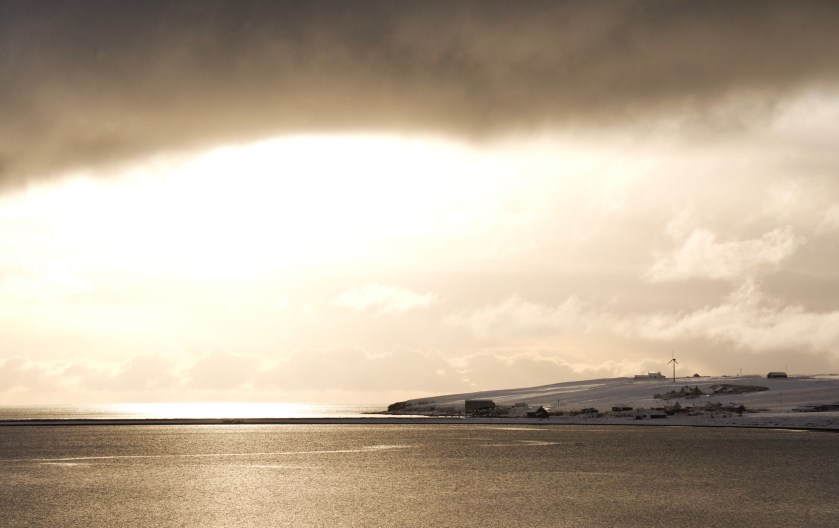
The landscape of North Walls with a rare covering of snow. The Ayre bottom left.

Carry on south and as you leave North Walls you’ll cross the Ayre, a now permanent causeway, onto the island of South Walls. Low lying and fertile, in summer a patchwork of greens and the gold of barley. Eventually you’ll reach the lighthouse at Cantick Head. To the south around four miles away you’ll see the coast of Caithness. By road from Rackwick to Cantick you’ll have travelled around twenty-four miles. The Norsemen also gave Walls its name, waas, a voe, a narrow sea inlet.

South Walls coast.